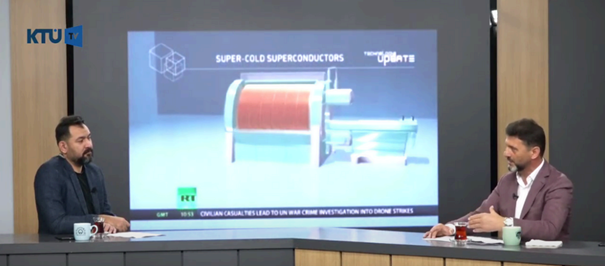
On May 23, 2024, the “Akademika: Applied Physics and Related Technologies” event, organized by the Department of Physics, Faculty of Science, explored applied physics topics such as superconductivity, nuclear fusion, and maglev train technologies. These themes are directly linked to energy efficiency, clean energy production, and sustainable transportation, which align with SDG 7. The event highlighted the role of superconductors in the ITER fusion reactor project, the potential of maglev trains in reducing carbon emissions, and Türkiye’s scientific contributions. It also emphasized the importance of TÜBİTAK-supported research by young scientists in the energy field. (Watch on YouTube)
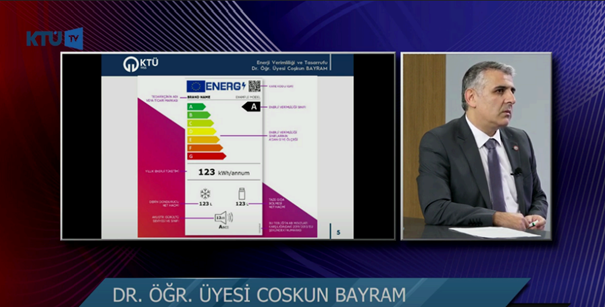
In an interview with the Faculty of Technology (Of Campus), the concepts of energy efficiency and energy conservation were discussed in depth. Energy efficiency was defined as achieving the same outcome using less energy, while energy conservation referred to reducing waste through behavioral changes. Both approaches were underlined as critical for environmental and economic sustainability. The discussion emphasized Türkiye’s dependency on energy imports and its impact on the trade balance, identifying energy efficiency as a national strategic priority. Practical measures—such as using high-efficiency appliances, operating at full capacity, unplugging idle devices, and ensuring optimal heating/cooling operation—were shared. It was also stressed that energy efficiency helps reduce fossil-fuel-based emissions and remains a key driver of the clean energy transition. (Watch on YouTube)
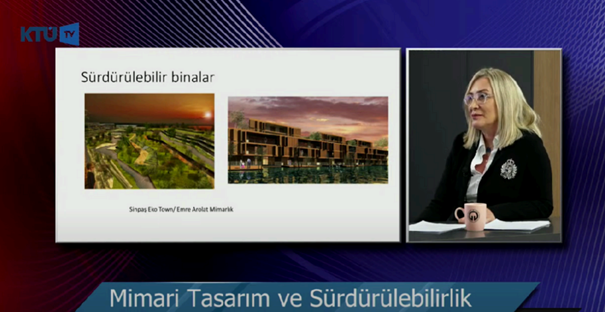
In another talk featuring Assoc. Prof. Dr. Ayça Araz Usta Ömeroğlu from the Faculty of Architecture, discussions centered on sustainable architectural approaches that align with SDG 7, focusing on energy efficiency, reduction of fossil fuel dependence, and the promotion of renewable energy. The session highlighted international certification systems such as BREEAM and LEED for their role in minimizing the carbon footprint through efficient energy use, natural ventilation, green roofs, and recyclable materials. Moreover, bioclimatic design and nature-based urban planning were identified as crucial to reducing building energy demand and accelerating the transition to clean energy. (Watch on YouTube)
Together, these activities demonstrate KTU’s institutional commitment to SDG 7 by promoting interdisciplinary collaboration, fostering clean energy awareness, and supporting behavioral and technological transformation toward a sustainable future.