In 2025, our University carried out institutional-level education, extension, applied research, and collaboration activities aimed at providing local farmers and food producers with access to knowledge, skills, and technology in the areas of food security, sustainable agriculture, and aquaculture.
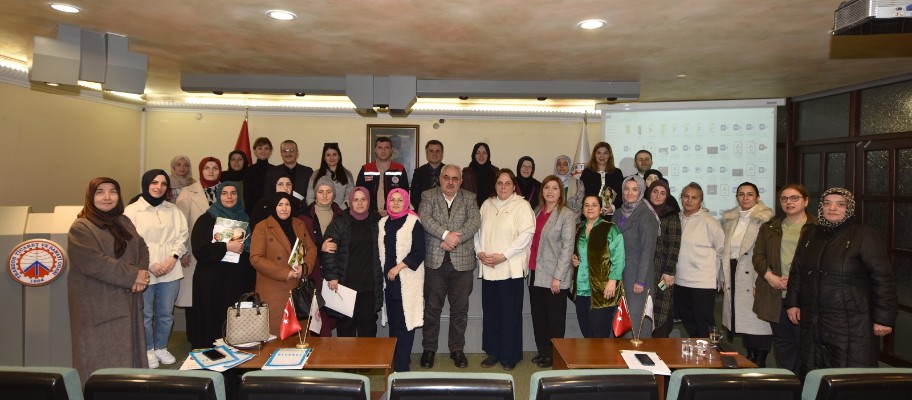
One of the most significant initiatives in this context is the “Inter-Institutional Cooperation Protocol for the Women’s Hand in Agriculture Project,” to which our University is an institutional party and which entered into force on 15 January 2025. The collaboration involves the Trabzon Chamber of Commerce and Industry, TOBB Trabzon Women Entrepreneurs Board, Trabzon University, Trabzon Provincial Directorate of Agriculture and Forestry, Trabzon Provincial Directorate of Health, and the Eastern Black Sea Development Agency. The initiative aims to enable women in the region to participate more actively in agricultural production, benefit from advances in science and technology, produce value-added agricultural products, and improve their technical knowledge and competencies in agriculture. Under the protocol, our University is responsible for contributing to the preparation of the training curriculum for women farmers in the region and for ensuring that training is delivered directly by University experts in their respective areas of expertise. This framework enables agricultural knowledge and skills to be transferred from the University to local producers in an institutional and systematic manner.
Evidence: https://www.ktu.edu.tr/dosyalar/yonetim_PF57X.pdf); (https://www.ttso.org.tr/news/trabzon-da-tarimda-kadin-eli-projesi-nin-egitimleri-basladi-kadin-ciftciler-katma-degerli-urunlerle-tarima-guc-katacak-9654
Our University also supports local producers through the Hazelnut and Tea Application and Research Center, which has institutional responsibilities that include disseminating scientific and technological developments related to hazelnut and tea, two of the region’s most important agricultural products; providing practical instruction on new cultivation and propagation techniques; and offering information and consultancy to producers on pest control, production practices, planting materials, and orchard establishment. The Center is also tasked with organizing scientific training programmes for farmers and improving producers’ access to scientific knowledge.
Evidence: https://www.ktu.edu.tr/findikcayuam
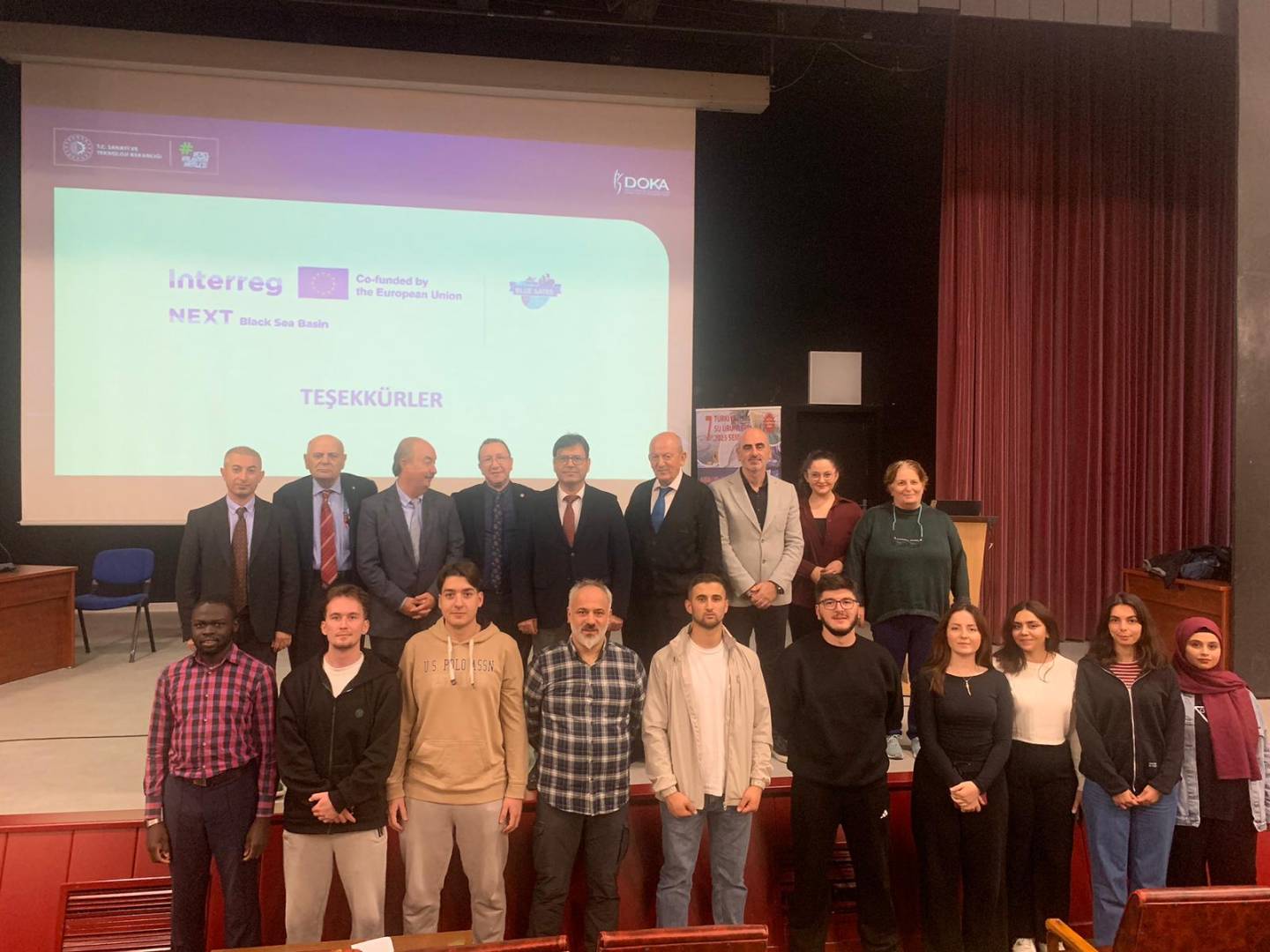
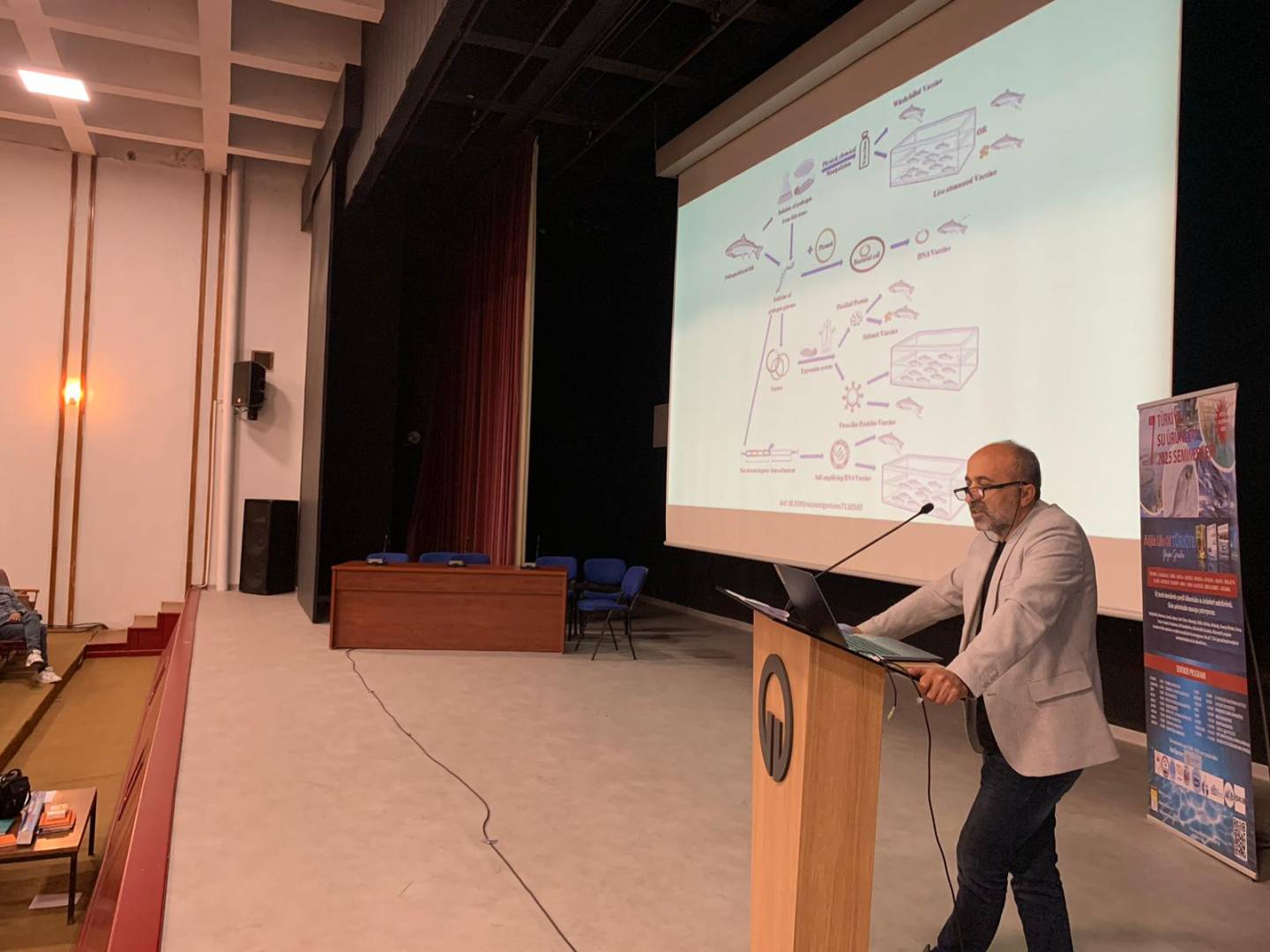
In the field of aquaculture, the KTU Sürmene Faculty of Marine Sciences collaborates with public institutions, research organizations, producer associations, cooperatives, and private-sector representatives in the region through knowledge- and technology-sharing activities. On 3 November 2025, the Trabzon session of the 7th Türkiye Aquaculture Seminars was held at KTU. During the event, knowledge was shared on topics including water efficiency, fish vaccination, current aquaculture research, cooperative activities, project funding opportunities, technological developments, and digitalization in the aquaculture sector. The event brought together KTU, the Trabzon Provincial Directorate of Agriculture and Forestry, the Central Fisheries Research Institute, SUR-KOOP, the Eastern Black Sea Development Agency, and representatives of the aquaculture sector.
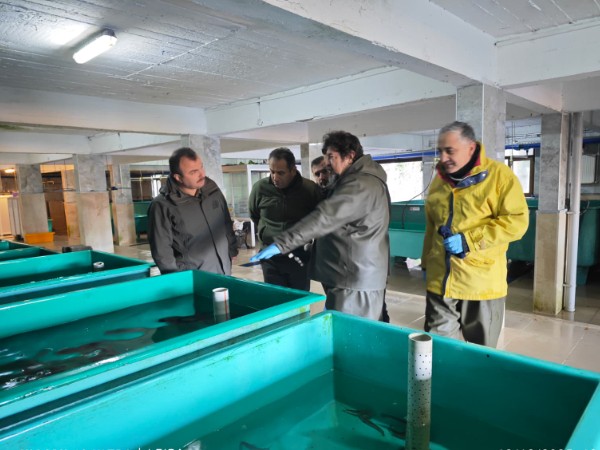
In addition, applied activities continued in 2025 under the Natural Trout Production, Cultivation and Stocking of Inland Forest Waters Project, jointly implemented by our University and the General Directorate of Nature Conservation and National Parks. On 22 December 2025, an on-site implementation meeting was held at the Maçka-Altındere production station, where the 2025–2026 programme for the production, cultivation, and release of red-spotted trout, as well as future implementation activities, was reviewed.
The institutional infrastructure supporting these activities includes the Aquaculture Research and Application Unit, the Fisheries Processing Unit, and comprehensive fisheries and aquaculture laboratories within our University. The Faculty’s official external stakeholders include producer organizations such as the Trabzon Inland Aquaculture Producers Association and the Eastern Black Sea Regional Union of Fisheries Cooperatives. The involvement of such organizations provides a permanent institutional link through which the University can share scientific knowledge and technology with the regional production ecosystem.
Evidence: https://www.ktu.edu.tr/baltekmuh/laboratuvarlar
In conclusion, in 2025, our University institutionally supported local producers’ access to scientific knowledge, technical skills, expertise, and technology in both terrestrial agriculture and aquaculture through formal cooperation protocols, producer training programmes, application and research centers, sectoral knowledge-sharing activities, and field-based practices.