In 2025, our University both hosted and actively participated in multi-stakeholder meetings, forums, conferences, and workshops that brought together academia, public institutions, local authorities, the private sector, entrepreneurs, professional organisations, and civil society representatives on issues related to the Sustainable Development Goals. These activities enabled cross-sectoral exchange of knowledge and experience in areas such as environmental sustainability, climate change, regional development, innovation, employment, entrepreneurship, disaster resilience, and sustainable cities.
Grand Black Sea Forum: International and Cross-Sectoral Dialogue for Sustainable Development
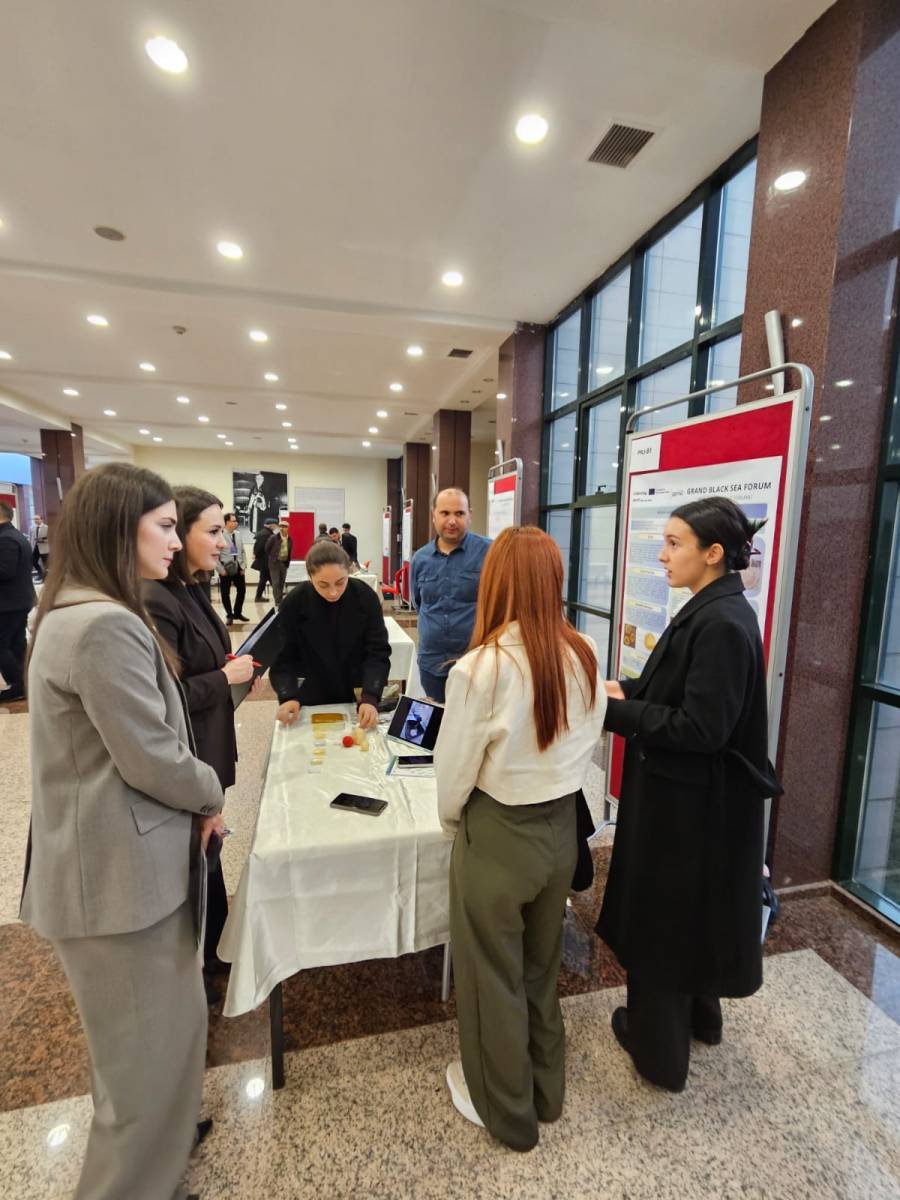
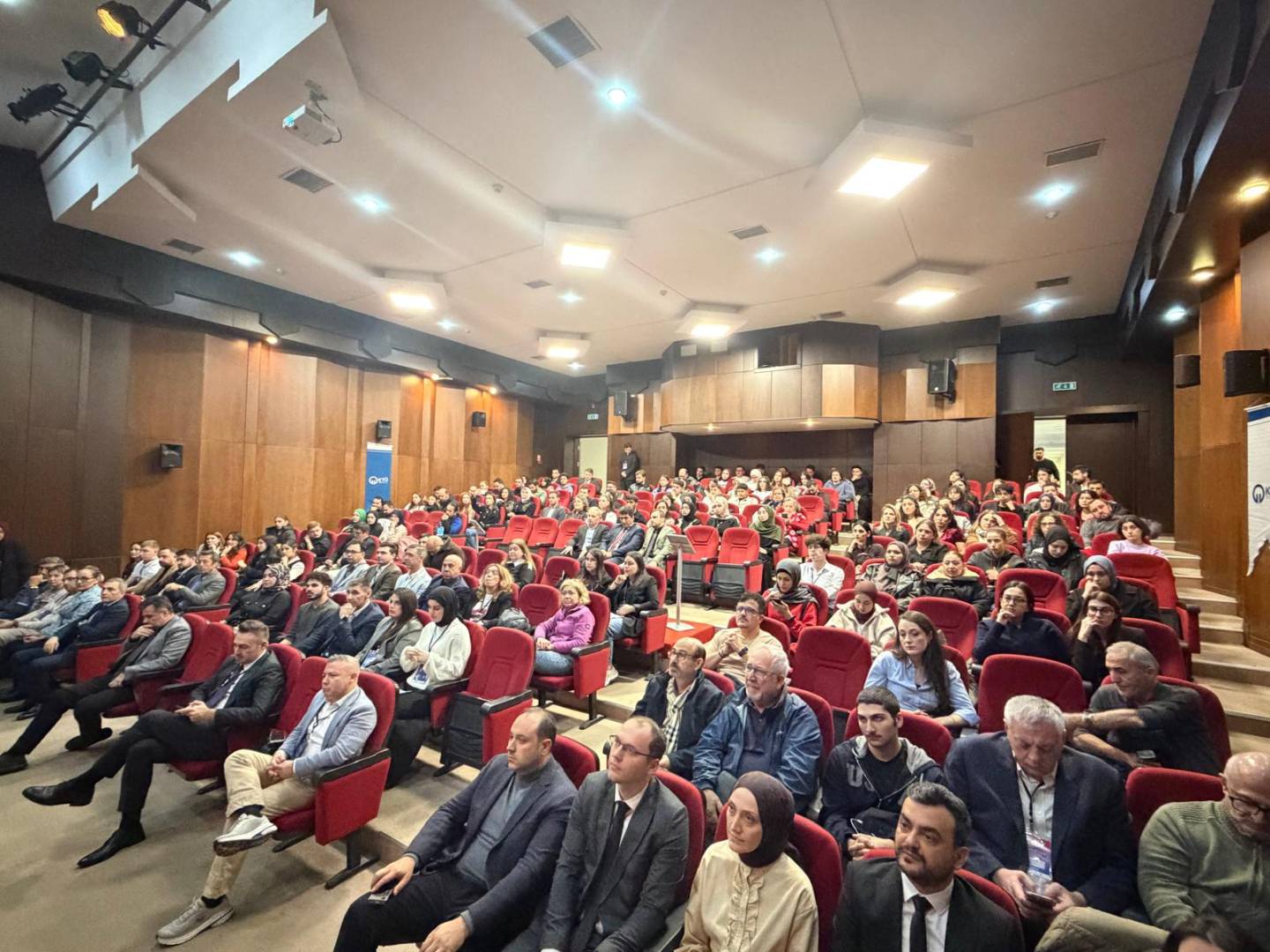
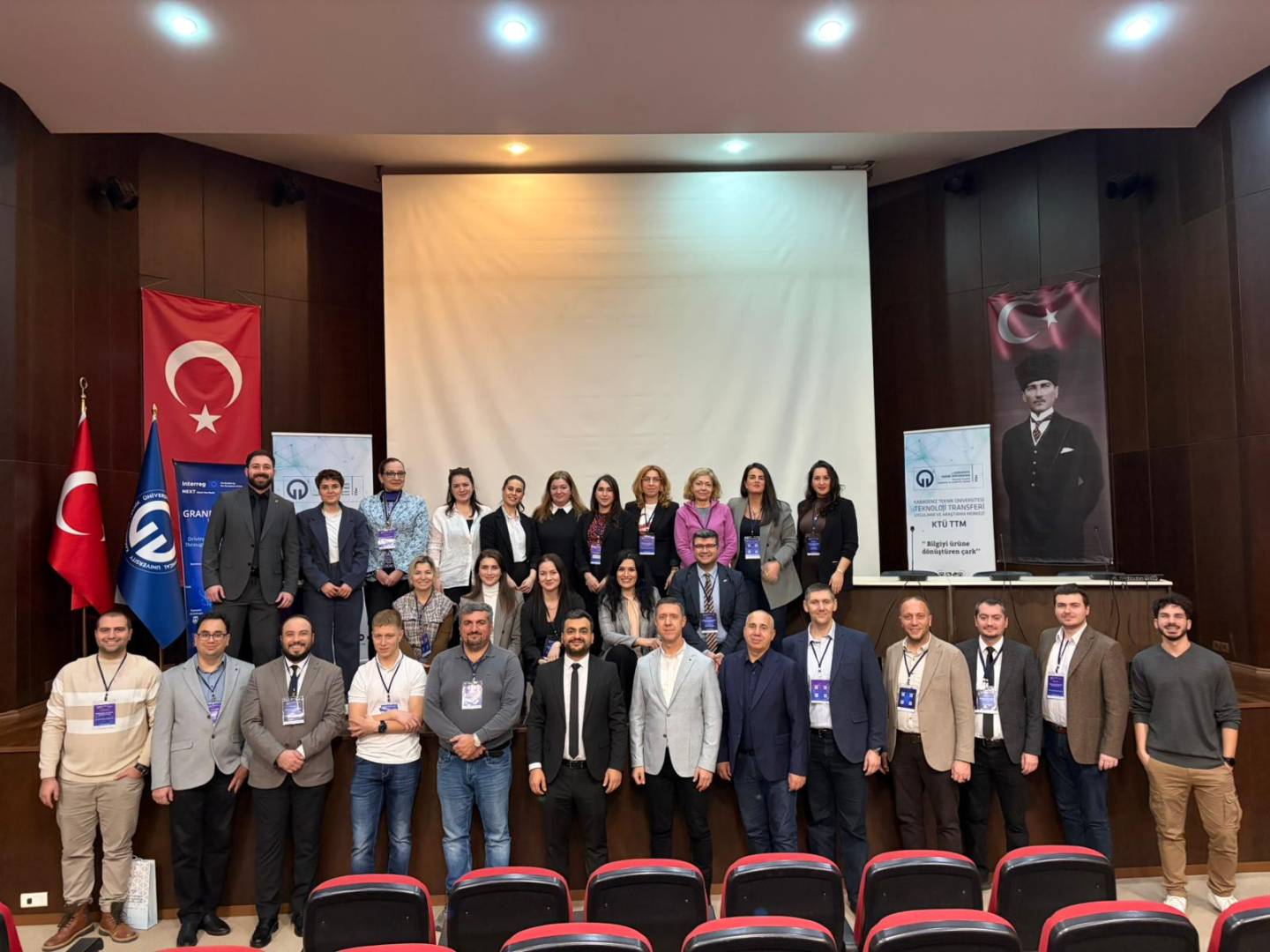
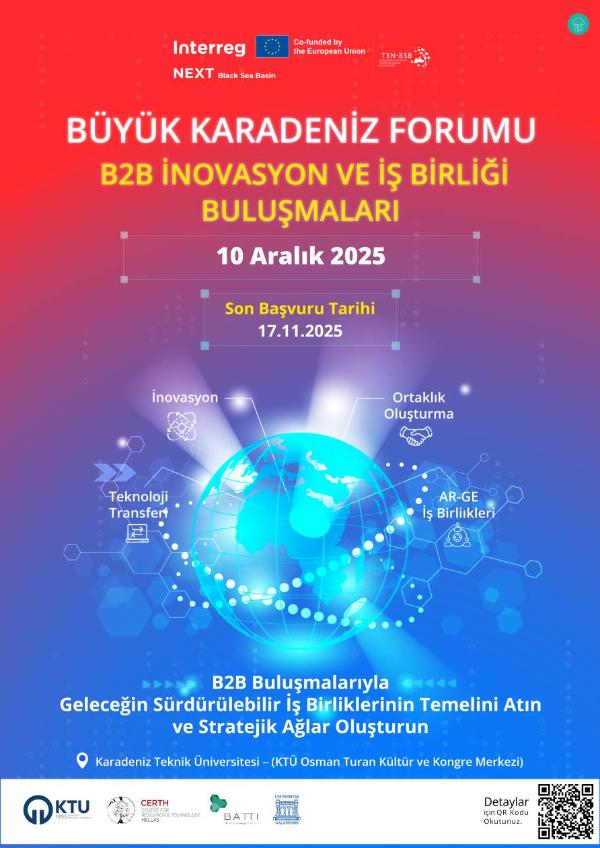
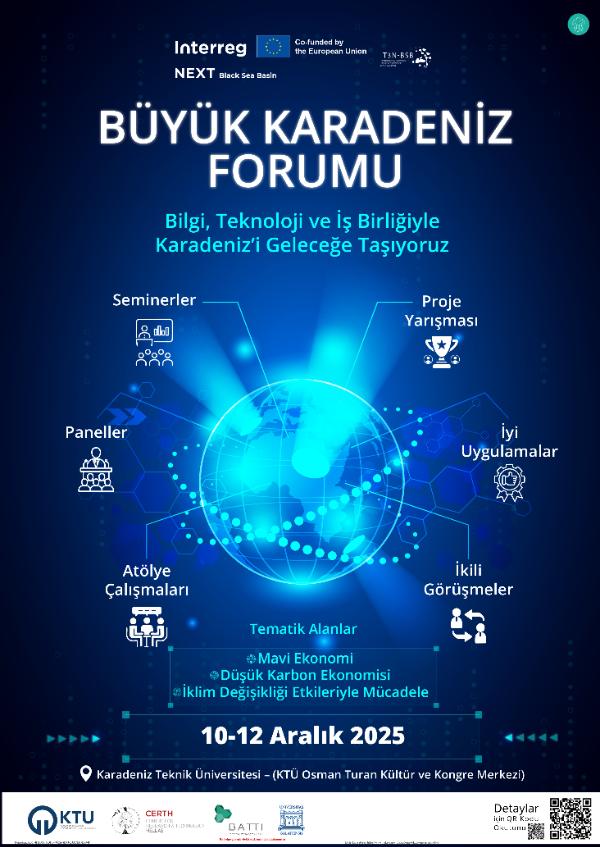
One of our University’s most comprehensive cross-sectoral dialogue activities in 2025 was the Grand Black Sea Forum, hosted by KTU on 10–12 December 2025. The Forum brought together representatives from academia, industry, entrepreneurship, and public institutions across the Black Sea Basin, with the aim of strengthening regional cooperation and contributing to sustainable development goals. The Forum was led by the KTU Technology Transfer Application and Research Center, with international partners from Greece, Bulgaria, and Romania.
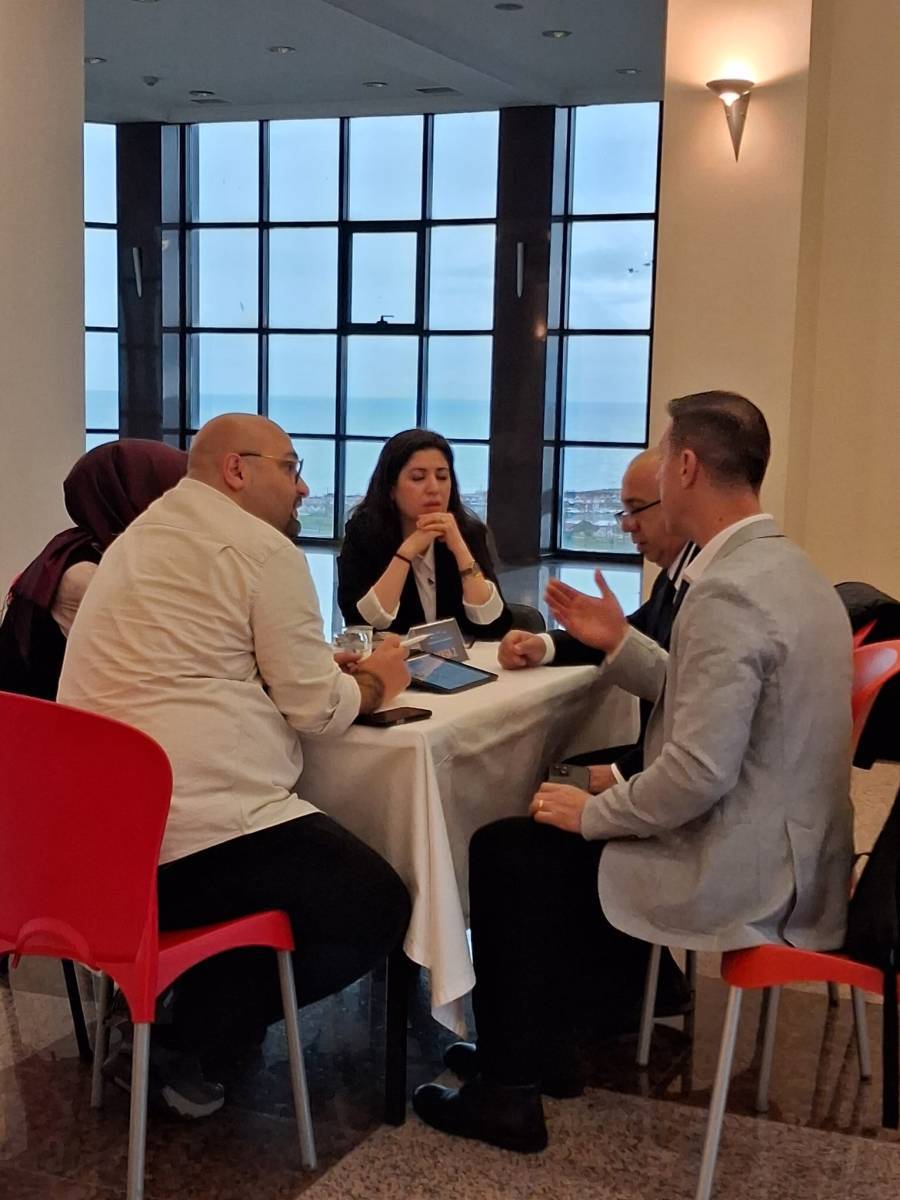
As part of the Forum, B2B Innovation, Cooperation and Investment Meetings brought together public institutions, researchers, students, entrepreneurs, companies, technology transfer offices, business support organisations, and clusters. In this way, direct dialogue was established between scientific knowledge, public policy, entrepreneurship, and private-sector needs.
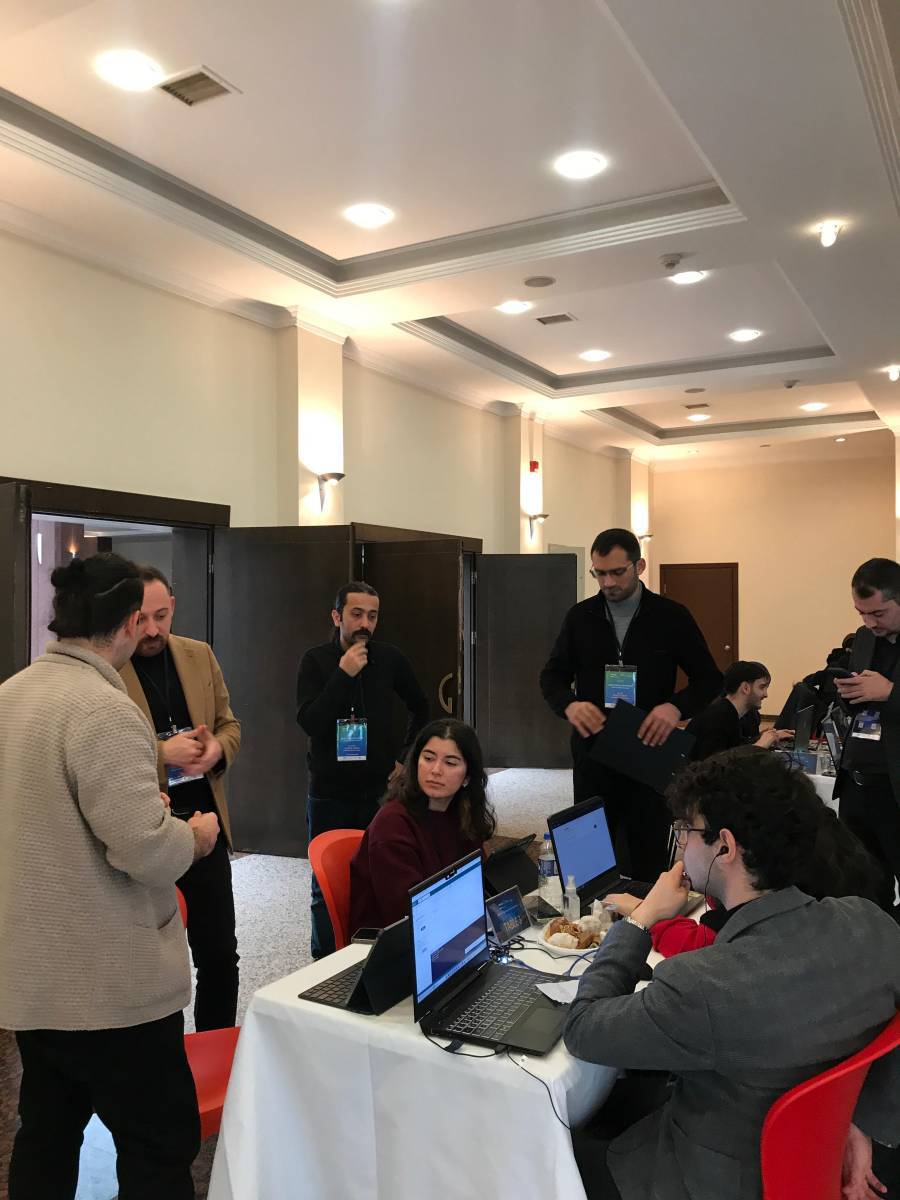
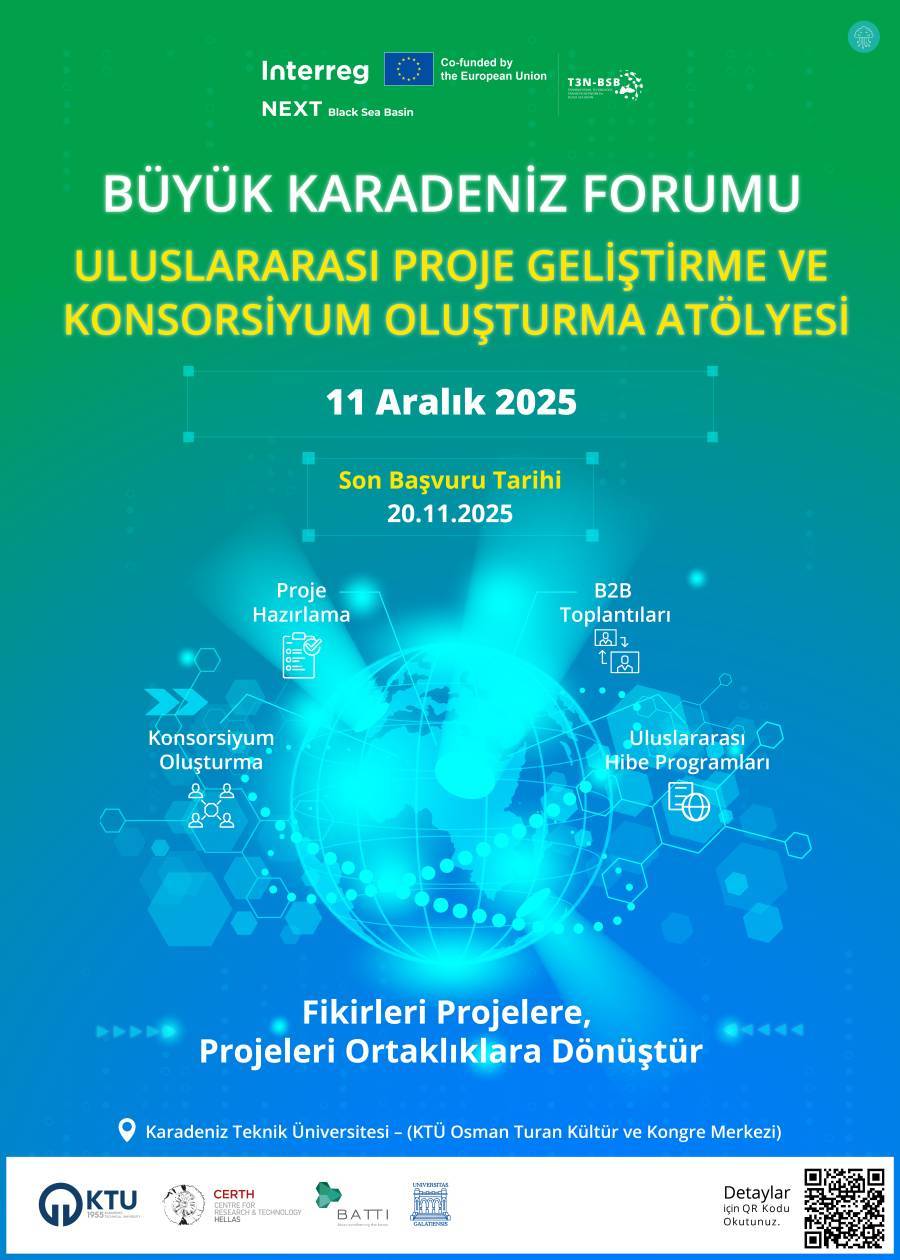
The Forum also included an International Project Development and Consortium Building Workshop, focusing on the blue economy, low-carbon economy, climate adaptation, resilience, and sustainability. Representatives of public institutions, companies, research and educational institutions, and business support organisations jointly developed project ideas. This activity represents a strong example of transforming cross-sectoral dialogue on the SDGs into concrete project and solution proposals.
Evidence:
https://www.ktu.edu.tr/makina/etkinlik/buyuk-karadeniz-forumu
https://www.ktu.edu.tr/tto/etkinlik/uluslararasi-proje-gelistirme-ve-konsorsiyum-olusturma-atolyesi
https://ktu.edu.tr/biyoloji/etkinlik/b2b-inovasyon-ve-is-birligi-bulusmalari
Public–University–NGO Dialogue through the KTU Advisory Board
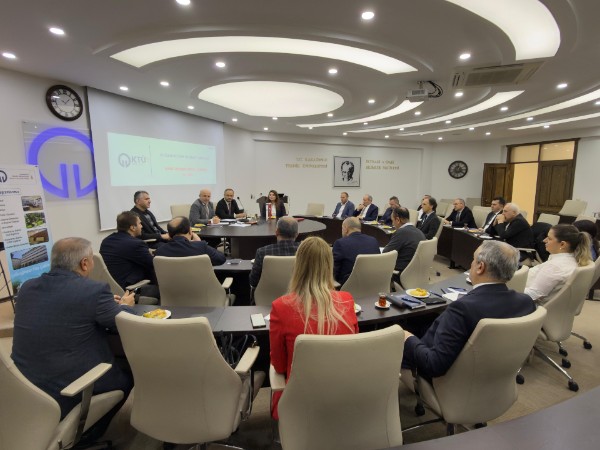
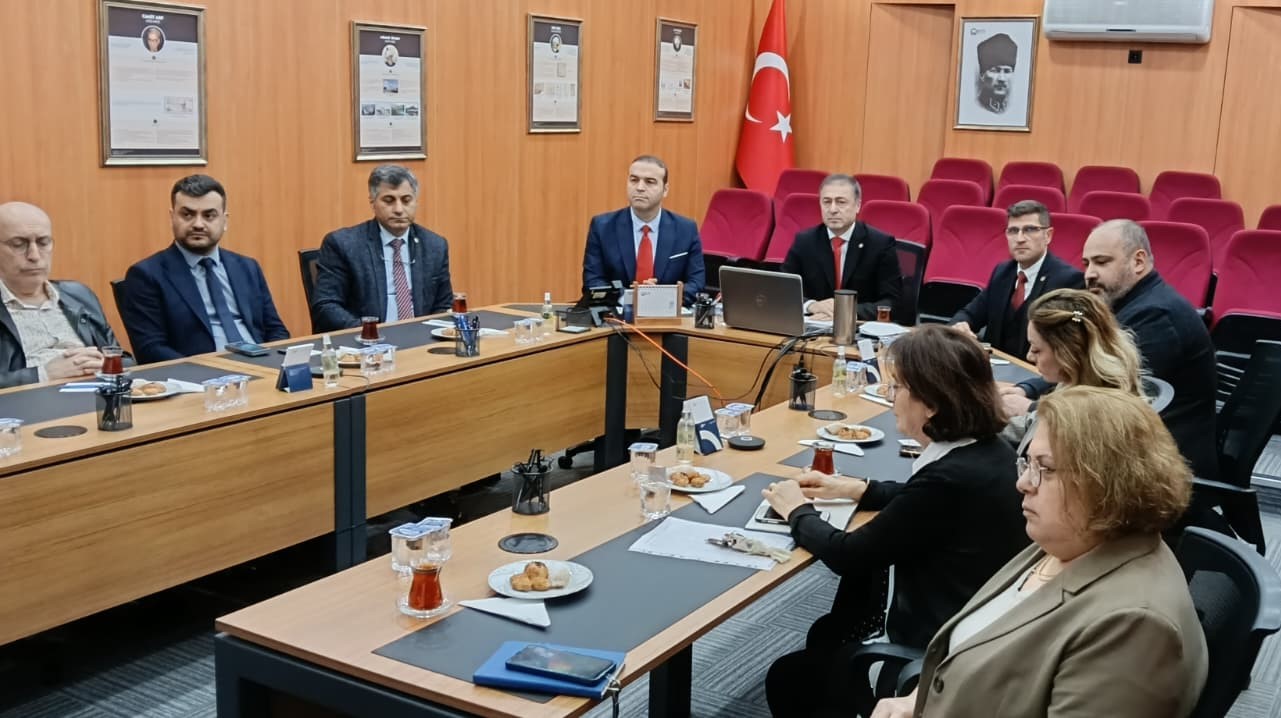
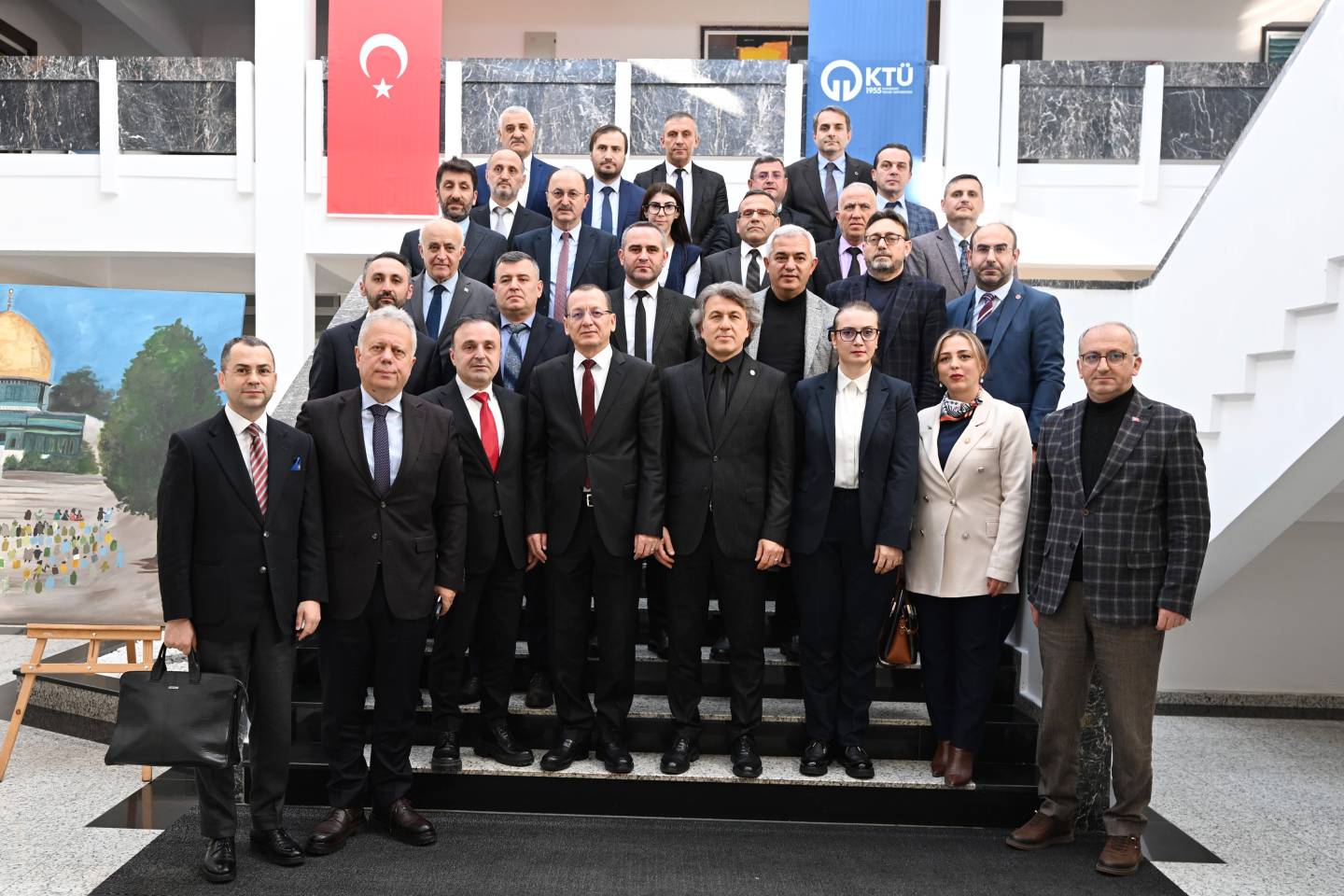
Our University promotes cross-sectoral dialogue not only through conferences, but also through institutionalised multi-stakeholder mechanisms. At the KTU Advisory Board meeting held on 30 December 2025, representatives of public institutions, local authorities, professional organisations, development agencies, and civil society came together to discuss topics directly related to sustainable development, including health tourism, R&D and innovation, disaster and environmental policies, industry, technology, entrepreneurship, youth, and employment.
Through such meetings, knowledge generated at the University is shared with public and community stakeholders, needs identified in practice are transferred back to academia, and new areas of cooperation are jointly identified.
Dialogue on Climate Change and Sustainable Living
Within the scope of the Grand Black Sea Forum, an event titled “Sustainable Living to Reduce Carbon and Water Footprints in Combating the Effects of Climate Change” was held on 10 December 2025. The event contributed to cross-sectoral discussion on climate action, reducing carbon and water footprints, and sustainable living practices. In this respect, it was directly related to SDG 6, SDG 12, and SDG 13.
Evidence:
https://www.ktu.edu.tr/akmyo/etkinlikler
These examples demonstrate that, in 2025, our University not only supported cross-sectoral dialogue on the SDGs but also actively initiated and facilitated such dialogue through forums, workshops, advisory boards, and cooperation meetings. By bringing together academia, public institutions, local authorities, the private sector, entrepreneurs, and civil society actors on common platforms, our University contributed to the joint assessment of sustainable development challenges, the development of new policy and project ideas, and the regional implementation of the SDGs.