At our University, the rights of public employees to organise and engage in collective bargaining are governed by Law No. 4688 on Public Servants’ Trade Unions and Collective Agreements, while the trade union organisation and collective bargaining rights of employees with worker status are governed by Law No. 6356 on Trade Unions and Collective Labour Agreements. On the basis of this legislation, trade unions are recognised as institutional representatives and social partners in protecting employees’ economic, social, and professional rights.
Evidence: https://www.mevzuat.gov.tr/mevzuatmetin/1.5.4688.pdf
Evidence: https://www.mevzuat.gov.tr/mevzuatmetin/1.5.6356.pdf
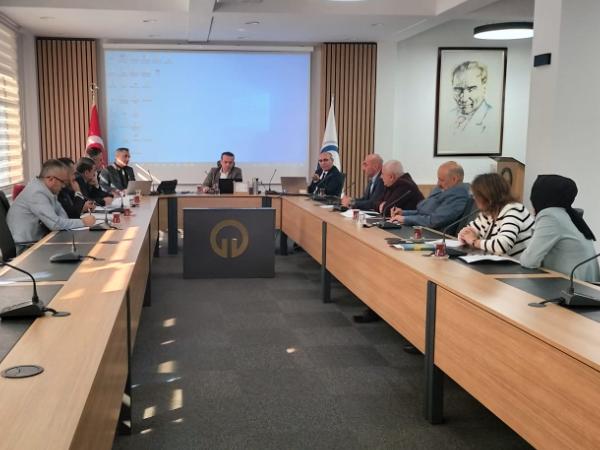
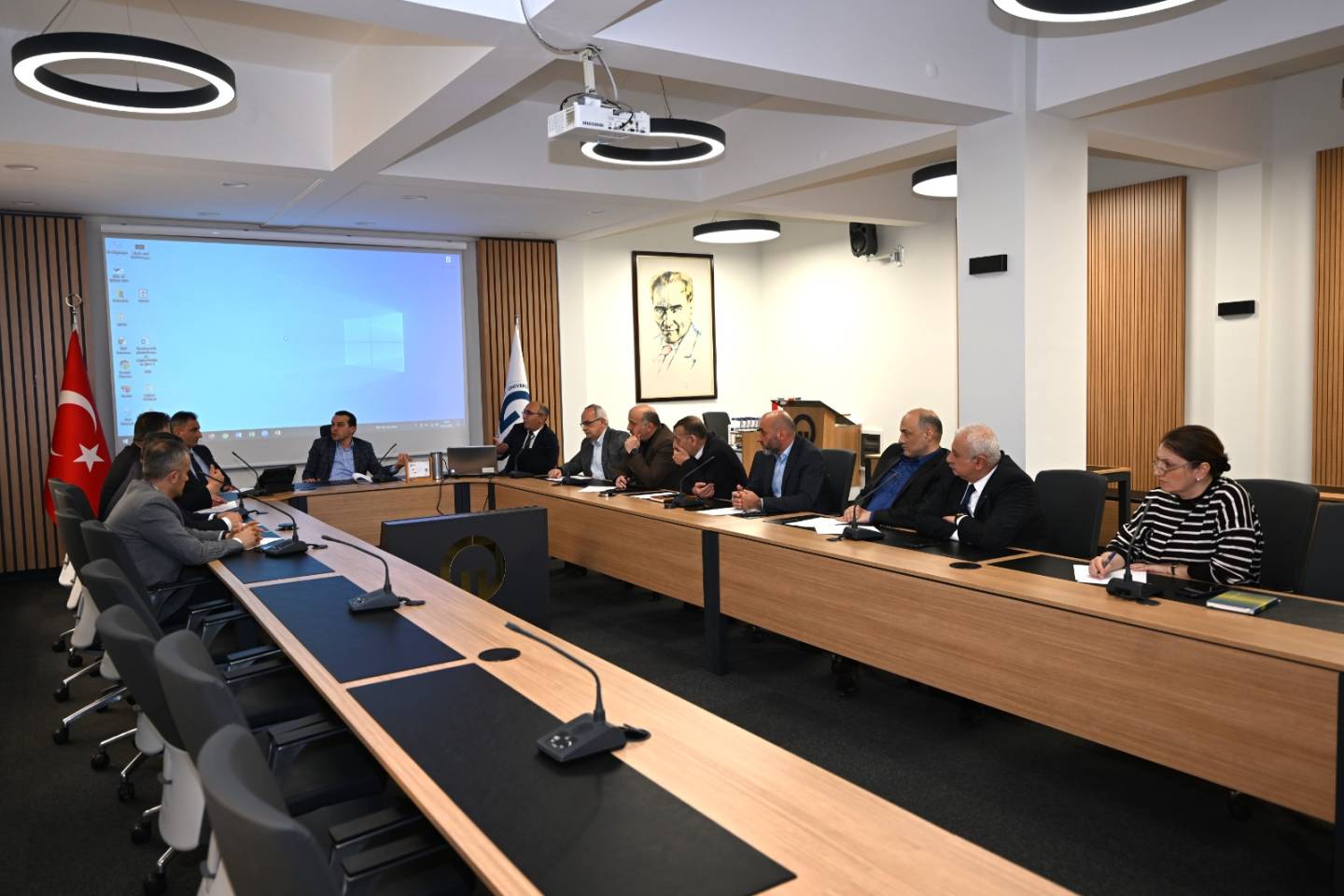
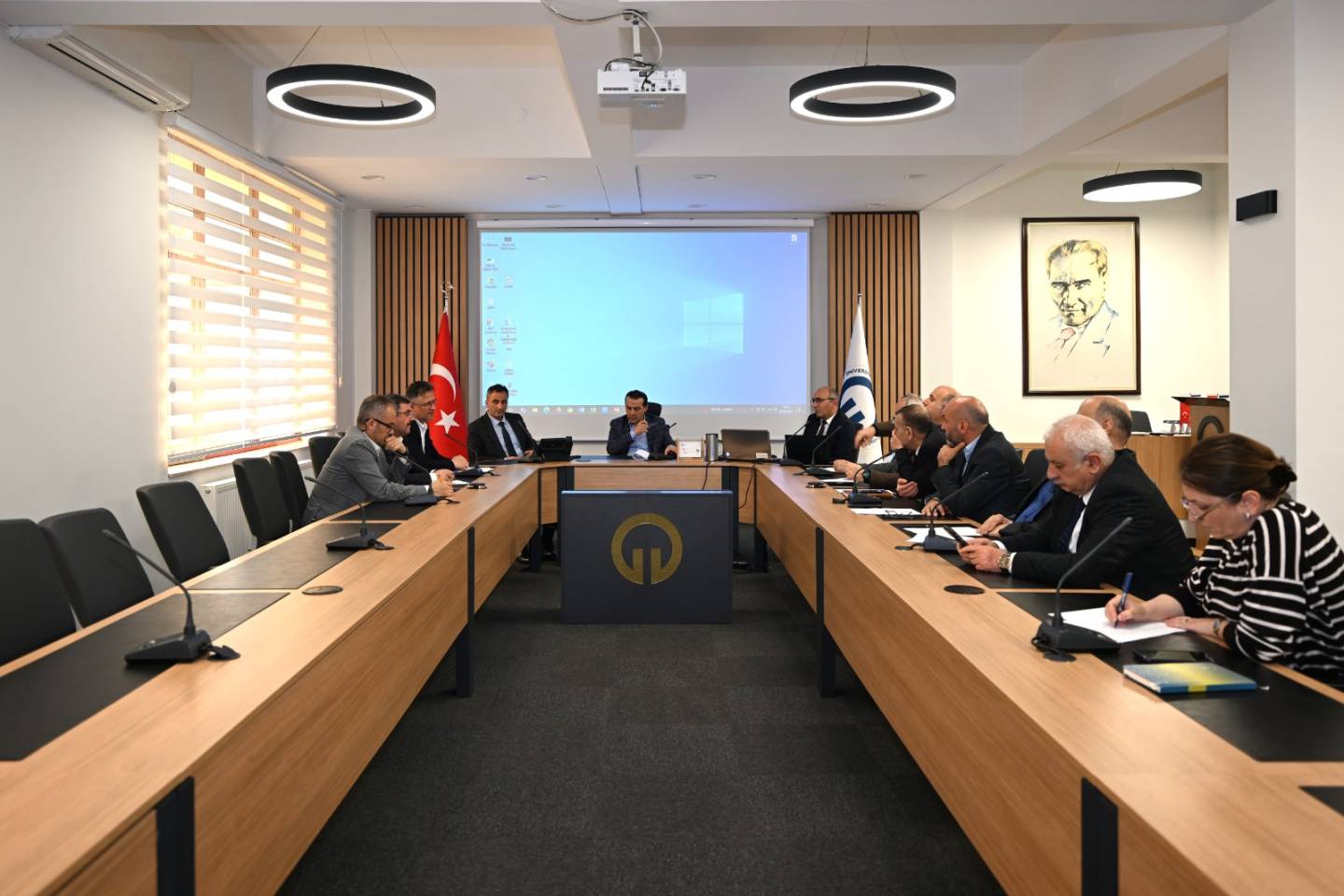
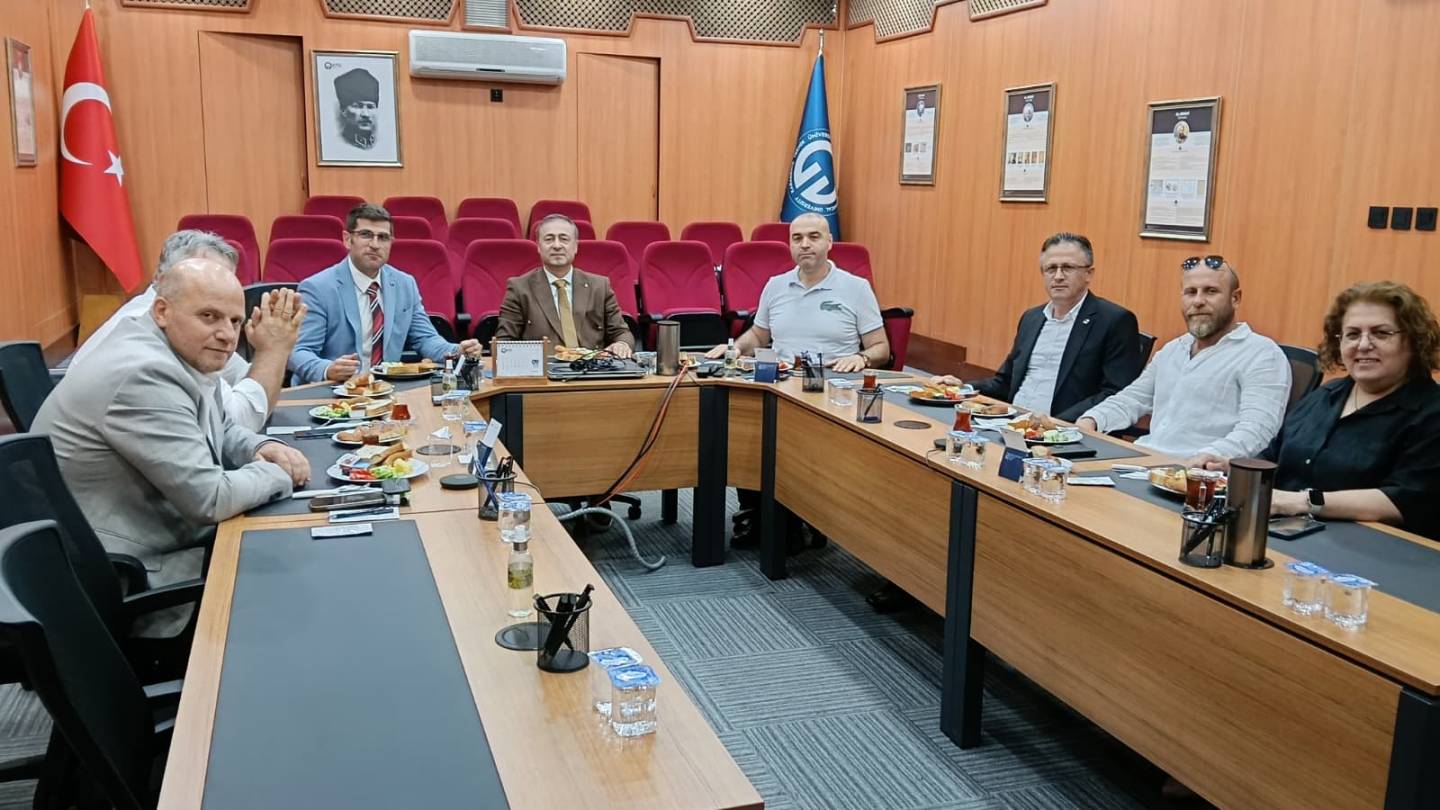
One of the important examples demonstrating that employees’ rights to organise and be represented were actively implemented in 2025 is the Institution Administrative Board meetings. On 30 April 2025, an Institution Administrative Board meeting was held between our University administration and the authorised trade union, Eğitim-Bir-Sen Trabzon Branch No. 2. During the meeting, issues concerning employees’ economic, social, and professional rights—including academic staff working environments, appointments to administrative management positions, the Civil Servants Academy, bank salary promotions, and pricing practices applied to staff—were discussed directly with University management through trade union representatives.
Institutional dialogue with trade unions continued throughout the year, and on 23 October 2025, a second Institution Administrative Board meeting was held between our University and Eğitim-Bir-Sen Trabzon Branch No. 2. The meeting addressed matters directly related to employees’ financial, social, and professional rights, including the 2026–2028 bank salary promotion tender, staff housing allocations, improvements for administrative staff, staff discounts at social facilities, appointments to managerial positions, the Civil Servants Academy, and the Talent Pool. These practices demonstrate that trade unions are able to communicate employees’ requests directly to University management and that trade union representation mechanisms are actively implemented.
Another important form of evidence demonstrating the recognition of labour rights at our University is the active implementation of collective labour agreements. In the “Agreements and Protocols” section of the KTÜ Personnel Department website, the 2025 Public Collective Labour Agreements Framework Protocol is published alongside collective labour agreements covering the periods 01.01.2025–31.12.2026 for KOOP-İŞ, Labour Branch No. 10, and 01.01.2025–31.12.2026 for ÖZ SAĞLIK-İŞ, Labour Branch No. 17. These agreements demonstrate that trade unions are formally recognised as social partners in determining employees’ wages, social benefits, and working conditions, and that the right to collective bargaining is actively exercised at our University.
Evidence: https://www.ktu.edu.tr/personel/CWEzlOrDOb
Our University’s human rights and employment approach is based on protecting the fundamental rights and freedoms of all academic and administrative staff, including women and international/foreign employees. The University does not accept discrimination based on gender, language, race, ethnic origin, age, disability, or similar characteristics and adopts a fair, inclusive, and human-rights-based working environment for all employees. Women employees are also able to participate equally in trade union representation and organisation processes in accordance with the applicable legislation.
Evidence: https://www.ktu.edu.tr/surdurulebilirlik/modern-kolelige-karsi-istihdam-politikasi
Our University also employs international/foreign academic staff, and their appointment, contractual arrangements, work permits, remuneration, and other employment processes are administered by the Personnel Department in accordance with relevant higher education and labour legislation. Although individual trade union membership and collective bargaining coverage for international staff are determined according to their legal employment status and the applicable national legislation, the University’s general employment approach is based on protecting the fundamental labour and human rights of foreign employees as well.
Evidence: https://www.ktu.edu.tr/personel/yabanci-uyruklu-ogretim-elemani-istihdam-sureci
Evidence: https://www.ktu.edu.tr/surdurulebilirlik/modern-kolelige-karsi-istihdam-politikasi
Taken together, the University’s practices in 2025 demonstrate that it recognises employees’ rights to organise and to be represented by trade unions, holds regular Institution Administrative Board meetings with authorised trade unions, and enables employees’ economic, social, and professional demands to be communicated to University management through trade union representation. In addition, the KOOP-İŞ and ÖZ SAĞLIK-İŞ collective labour agreements in force for the 2025–2026 period provide direct evidence that collective bargaining and collective agreement rights are actively implemented. The University’s inclusive employment approach also extends to the protection of the fundamental labour rights of women and international/foreign employees. Accordingly, the University recognises and implements freedom of association and the right to collective bargaining at the institutional level.