Our University recognises employees’ rights to organise, to be represented, and to communicate their views regarding working conditions through trade unions. It recognises trade unions as institutional stakeholders in the consideration of employees’ economic, social, professional, and employment-related rights. At our University, relations with trade unions are not limited to their recognition under national legislation; they are actively implemented through Institution Administrative Board meetings, collective bargaining agreements, consultation meetings with trade union representatives, and discussions concerning employees’ financial and social rights.
Evidence: https://www.ktu.edu.tr/surdurulebilirlik/istihdam-pratigi-sendikalari
The main legal framework governing trade union organisation for public employees at our University is Law No. 4688 on Public Servants’ Trade Unions and Collective Agreements. This Law regulates the rights of public employees to establish and join trade unions and to participate in collective bargaining processes for the purpose of protecting and improving their common economic, social, and professional rights and interests. Trade union organisation and collective bargaining processes for employees with worker status are governed by Law No. 6356 on Trade Unions and Collective Labour Agreements. In accordance with this national legal framework, our University recognises authorised trade unions and conducts institutional consultations with employee representatives.
Evidence: https://www.mevzuat.gov.tr/mevzuatmetin/1.5.6356.pdf
Institution Administrative Board Meetings Held with Trade Unions in 2025
One of the strongest examples demonstrating the institutional recognition of trade unions as employee representatives at our University is the Institution Administrative Board (KİK) meetings. The Institution Administrative Board brings together University management and representatives of the authorised trade union, enabling issues and requests concerning employees’ working conditions, social and financial rights, employment-related rights, and institutional practices to be discussed. This mechanism demonstrates that trade unions are formally recognised as employee representatives within the University’s decision-making and consultation processes.
Evidence: https://www.ktu.edu.tr/genelsekreterlik/ktuidaritakvim
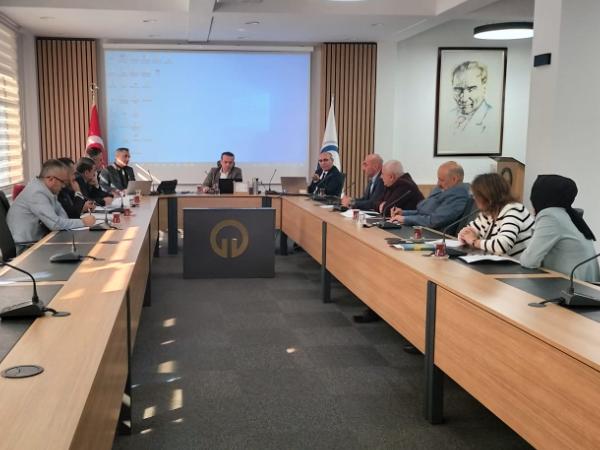
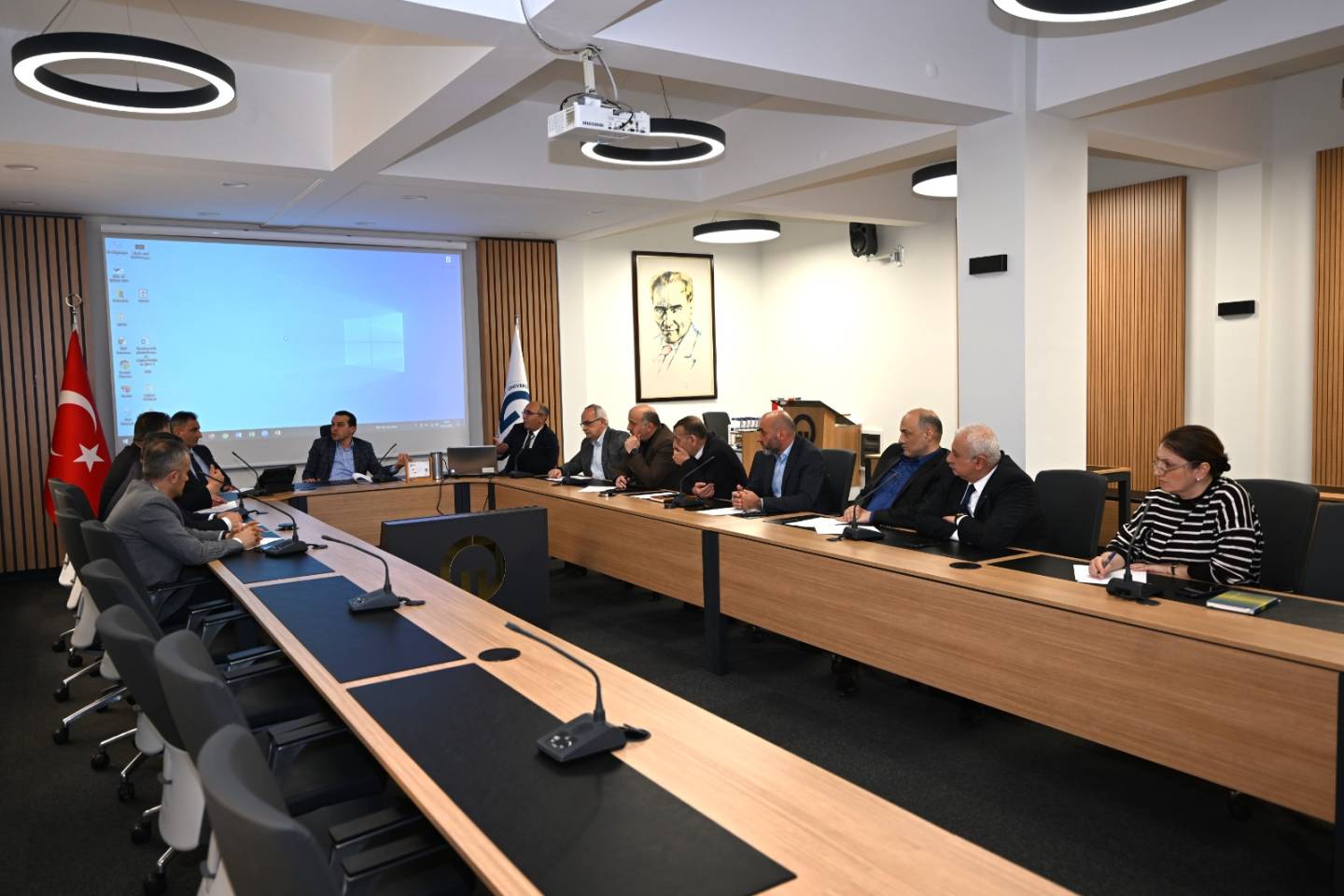
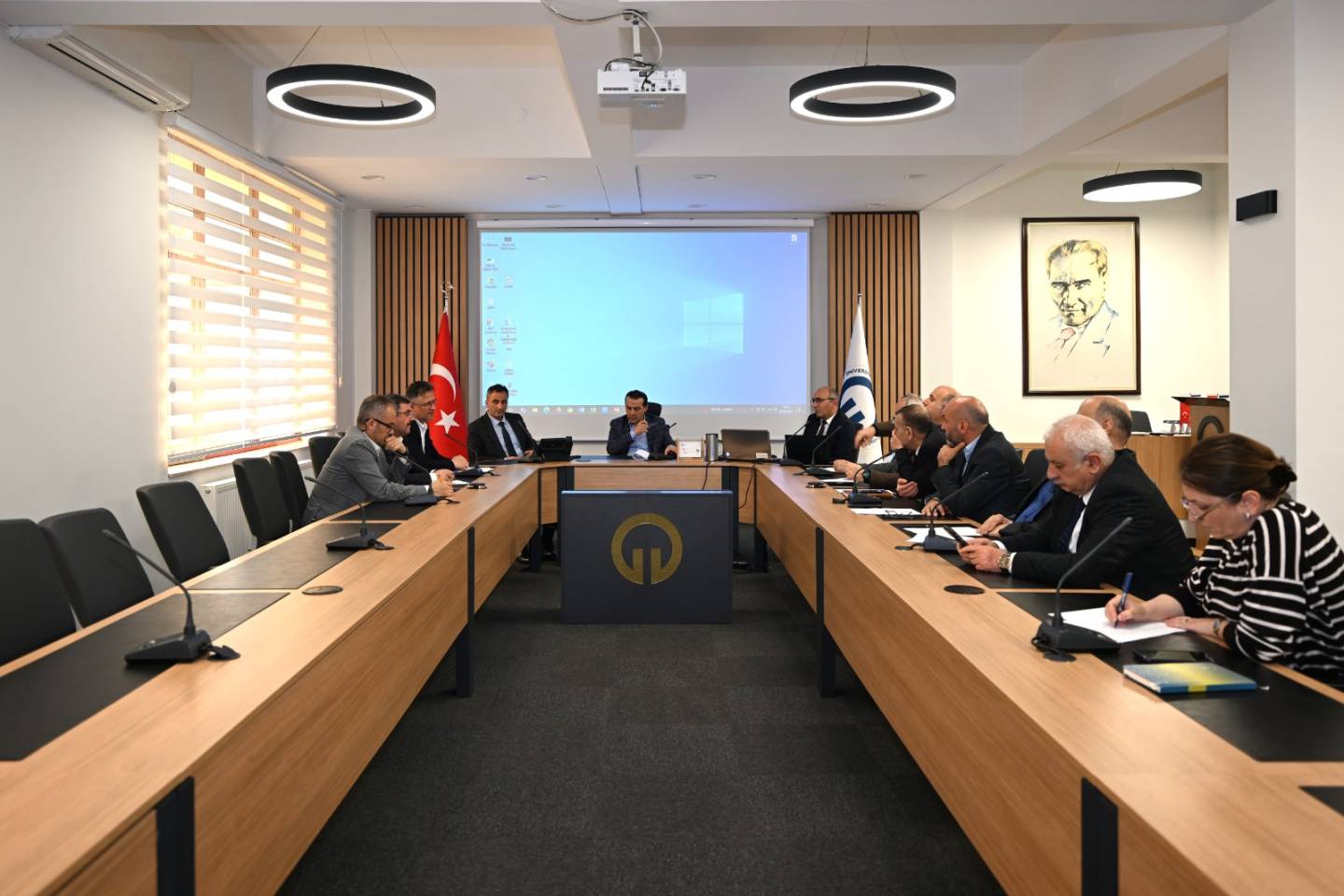
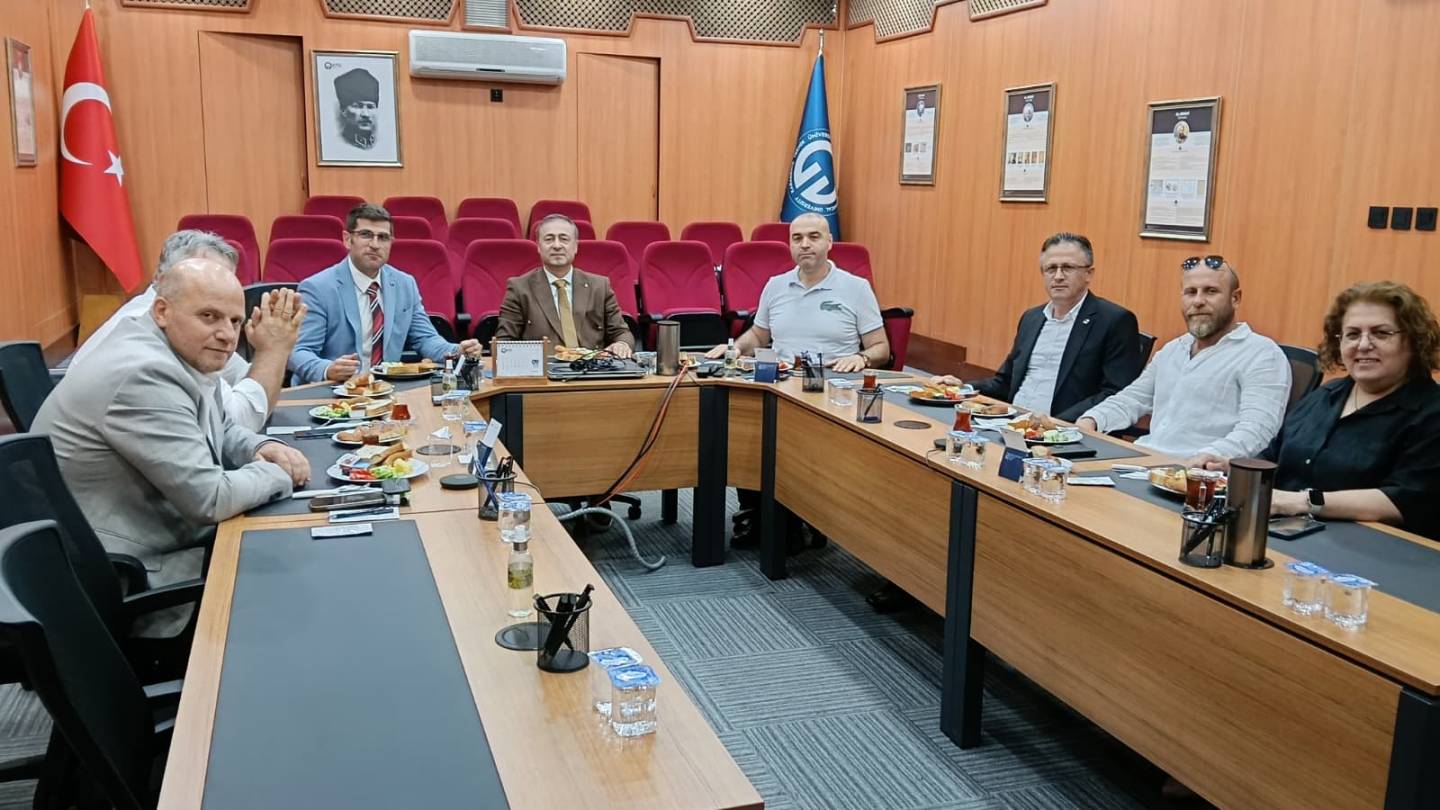
Within this framework, on 30 April 2025, an Institution Administrative Board meeting was held between our University administration and the authorised trade union, Eğitim-Bir-Sen Trabzon Branch No. 2. The University delegation, chaired by the Acting Secretary General, included Deputy Secretaries General and managers from the Office of Legal Counsel, Strategy Development Department, Department of Administrative and Financial Affairs, Personnel Department, Department of Construction and Technical Works, and Department of Health, Culture and Sports. The trade union delegation included the President, Secretary, and Vice President of Eğitim-Bir-Sen Trabzon Branch No. 2. This structure demonstrates that employees are able to gain direct access to the senior University administration through trade union representation and communicate their requests at the institutional level.
A wide range of issues directly concerning employees’ working conditions and employment-related rights were discussed at the meeting held on 30 April 2025. The agenda included improving academic staff working environments and opportunities for individual offices, appointments to administrative management positions, proposals concerning the Civil Servants Academy (Memur Akademisi), the staff performance system, bank salary promotion agreements, and pricing practices applied to staff by the University’s economic enterprise. Requests raised by the trade union were evaluated by the University administration, and views were exchanged concerning existing practices and potential improvements.
In addition to the news report on the meeting, an official Institution Administrative Board Meeting and Decision Record was also published. The record demonstrates that proposals submitted by the trade union were considered individually by the University and received institutional responses. For example, proposals concerning the improvement of academic staff working spaces were assessed in light of the University’s existing building and office capacity and investment opportunities. This official document directly demonstrates that trade unions are not merely formally recognised at our University; rather, employees’ requests communicated through unions are considered within formal administrative processes.
Evidence: https://www.ktu.edu.tr/dosyalar/personel_dew1U.pdf
Institutional dialogue with trade unions continued during the second half of 2025. On 23 October 2025, a second Institution Administrative Board meeting of the year was held between our University and Eğitim-Bir-Sen Trabzon Branch No. 2. The meeting, held in the KTÜ Senate Hall, was attended by University administrators as well as the President, Secretary, and Vice Presidents of the trade union branch.
The meeting held on 23 October 2025 focused particularly on issues related to employees’ financial, social, and professional rights. Topics discussed included the 2026–2028 bank salary promotion tender; the allocation of staff housing and improvements for administrative staff under the Housing Allocation and Management Directive; discounts for University staff at social facilities; policies concerning appointments to managerial positions; the Civil Servants Academy; and Talent Pool practices. At the end of the meeting, it was agreed that work would continue on the proposals raised by the trade union, and the University administration emphasised the importance of maintaining the constructive consultation environment established with trade unions.
Participation of Different Trade Unions in Institutional Consultation Processes
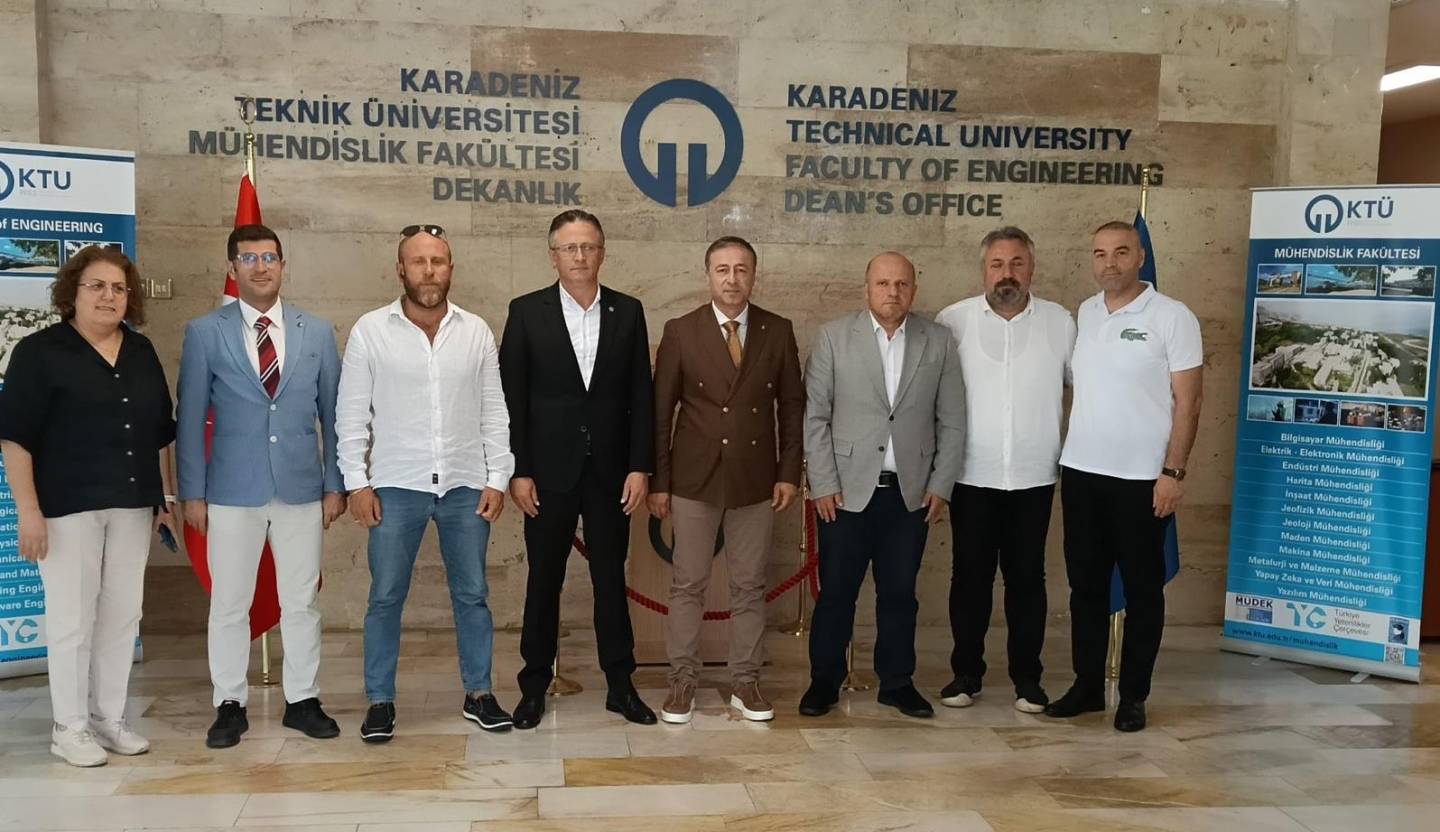
Our University’s institutional engagement with trade unions is not limited to Institution Administrative Board meetings held with the authorised trade union for the relevant period. An important example of this broader approach is the “Consultation Meeting with Trade Union Representatives” held at the KTÜ Faculty of Engineering on 24 September 2025.
Representatives of trade unions operating at our University were invited to the meeting. Representatives from Eğitim-Bir-Sen Trabzon Branch No. 2, Türk Eğitim-Sen Trabzon Branch No. 2, Koop-İş Trade Union Trabzon Branch, and Eğitim-İş Trade Union participated. The Dean, Vice Deans, and Faculty Secretary also attended the meeting. Information concerning academic and administrative practices was shared, and the views and recommendations of trade union representatives regarding existing practices were discussed and evaluated.
This meeting is particularly important because it demonstrates that the University’s engagement with trade unions is not limited to a single organisation. The representation of different trade unions, including Eğitim-Bir-Sen, Türk Eğitim-Sen, Eğitim-İş, and Koop-İş, within the same institutional consultation setting demonstrates the recognition of trade union pluralism and different mechanisms of employee representation at our University.
Collective Labour Agreements and Formal Recognition of Trade Unions
Another strong example demonstrating the institutional recognition of trade unions at our University is the implementation of collective labour agreements regulating employees’ financial and social rights. In the “Agreements and Protocols” section of the KTÜ Personnel Department website, collective agreements concerning public employees are published alongside trade union collective labour agreements currently in force for workers employed at our University.
Evidence: https://www.ktu.edu.tr/personel/CWEzlOrDOb
Within this framework, our University implements the collective labour agreement covering the period 01.01.2025–31.12.2026 for KOOP-İŞ, Labour Branch No. 10, and the collective labour agreement covering the period 01.01.2025–31.12.2026 for ÖZ SAĞLIK-İŞ, Labour Branch No. 17. The 2025 Public Collective Labour Agreements Framework Protocol is also available on the relevant Personnel Department webpage. These documents clearly demonstrate that trade unions are formally recognised social partners in determining employees’ wages, social benefits, and working conditions.
Evidence: https://www.ktu.edu.tr/personel/CWEzlOrDOb
The “Employment Practice – Unions” page on our University’s Sustainability website also presents Institution Administrative Board meetings and collective labour agreements together as institutional evidence. The inclusion of Institution Administrative Board meetings in the Education and Health service branches, as well as collective bargaining processes conducted with trade unions, demonstrates that social dialogue with trade unions constitutes a continuous institutional practice at the University.
Evidence: https://www.ktu.edu.tr/surdurulebilirlik/istihdam-pratigi-sendikalari
Trade Union Rights of Women Employees
There is no institutional discrimination based on gender in relation to trade union organisation, representation, or employee rights at our University. Women employees, in the same manner as male employees, may participate in trade union representation and organisation processes in accordance with the relevant national legislation. Our University’s employment approach is based on protecting employees’ fundamental rights and freedoms and preventing gender-based discrimination.
Evidence: https://www.ktu.edu.tr/surdurulebilirlik/modern-kolelige-karsi-istihdam-politikasi
There are also concrete examples from 2025 demonstrating the active participation of women employees in trade union representation mechanisms. For example, at the Institution Administrative Board meeting held on 23 October 2025, Perihan Kukul, Vice President of Eğitim-Bir-Sen Trabzon Branch No. 2, participated as a member of the trade union delegation and attended the meeting as a trade union representative. This example demonstrates that women employees are able to take an active and direct role in trade union representation processes.
Approach to International/Foreign Staff
Our University employs international/foreign academic staff and manages their recruitment, contractual arrangements, work permits, remuneration, and appointment processes through the Personnel Department. KTÜ’s institutional regulations concerning foreign academic staff demonstrate that these employees are employed under contracts with the University and are subject, in relation to their duties, to the relevant higher education and employment legislation.
Evidence: https://www.ktu.edu.tr/personel/yabanci-uyruklu-ogretim-elemani-istihdam-sureci
Our University’s general employment and human rights approach is based on the protection of the fundamental rights of employees, including women and international/foreign staff, and does not accept discrimination on grounds such as gender, language, race, ethnic origin, or similar characteristics. Accordingly, there is no institutional policy excluding women or foreign employees from the University’s approach to recognising trade unions. Individual trade union membership and collective bargaining coverage for international staff are determined in accordance with the employee’s legal employment status and the applicable labour and trade union legislation in Türkiye.
Evidence: https://www.ktu.edu.tr/surdurulebilirlik/modern-kolelige-karsi-istihdam-politikasi
Evidence: https://www.ktu.edu.tr/personel/yabanci-uyruklu-ogretim-elemani-istihdam-sureci