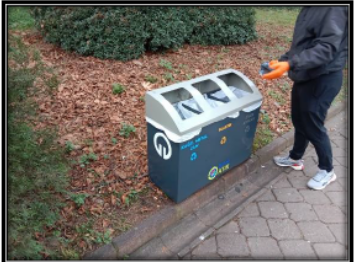
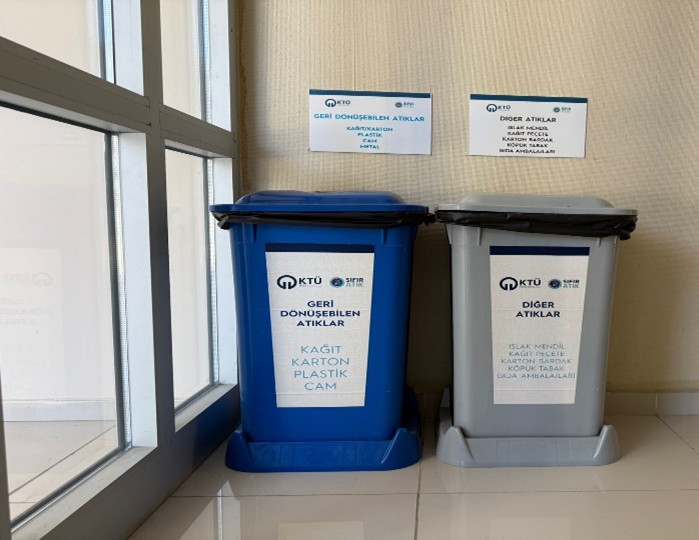
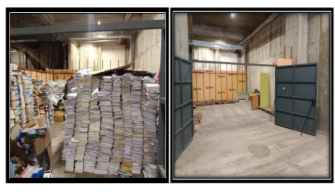
Karadeniz Technical University (KTU) operates a comprehensive inorganic waste management system that integrates more than 85% of all non-toxic inorganic waste generated on campus into recovery and recycling processes. This system supports both environmental sustainability and the circular economy principles, contributing directly to the university’s zero waste targets.
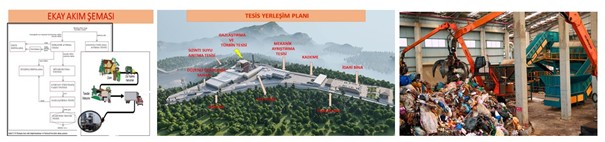
According to the 2024 Waste Declaration Form, a total of 41.03 tons of inorganic waste (comprising 32.93 tons of paper and cardboard, 3.46 tons of plastic, and 4.64 tons of mixed packaging) was generated across KTU campuses. All of these wastes were processed through the R12 recovery method at licensed recycling facilities authorized by the Ministry of Environment, Urbanization and Climate Change.
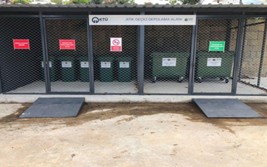
The entire process is coordinated by the Zero Waste Coordination Office in close collaboration with the Trabzon Metropolitan Municipality, Evra Group, and the TRABRİKAB (Union for the Construction and Operation of Solid Waste Facilities of Trabzon and Rize Provinces). Waste materials are segregated at source, temporarily stored in designated collection areas, and then transported to licensed recycling facilities for final processing.
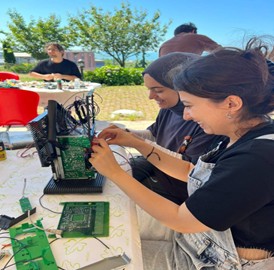
Beyond its operational waste management framework, KTU places strong emphasis on reuse, creative recycling, and awareness-building initiatives. In 2024, the university organized the event “From E-Waste to Art”, where students transformed discarded electronic components into artistic objects, highlighting the values of environmental awareness and creative reuse.
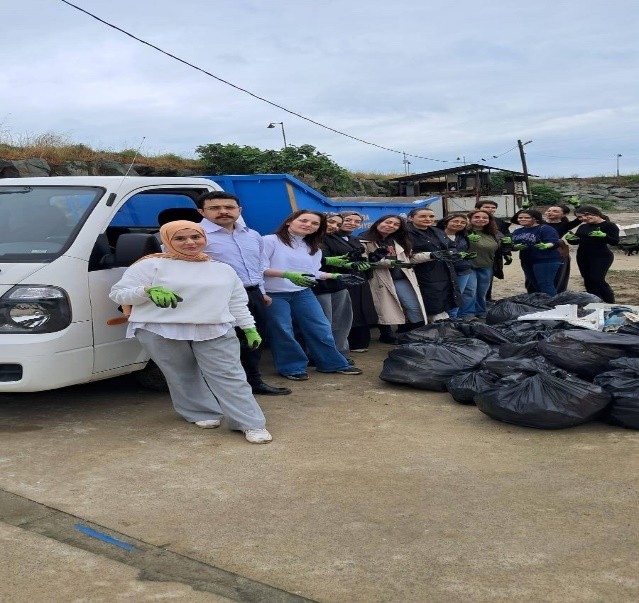
Additionally, KTU regularly conducts zero waste trainings, awareness workshops, and student-led projects to engage both staff and students in sustainable waste practices. Thanks to this integrated structure and participatory approach, KTU successfully recovers or reuses the vast majority of its inorganic waste while fostering a campus culture aligned with zero waste and circular economy goals.
Overall, KTU’s inorganic waste management policy reflects a strong institutional commitment to resource efficiency, environmental responsibility, and continuous improvement within the framework of national and global sustainability goals.