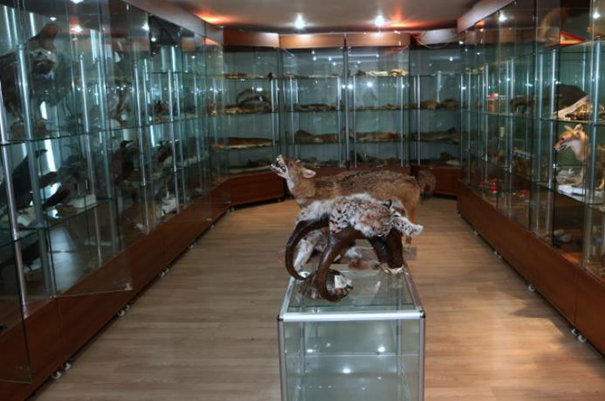
The Wildlife Museum, established within the Department of Wildlife Ecology and Management at the Faculty of Forestry, was initially founded for student training. Today, it attracts strong interest from school groups and the wider public for introducing and promoting the conservation of the region’s wild animals.
During field studies conducted by the department’s faculty, dead individuals of wild animals encountered in nature are taxidermied after the necessary scientific procedures. The skeletal parts and mounted specimens of such finds are preserved for both education and exhibition. In addition to mounted specimens of mammals, birds, reptiles, amphibians, and fish from various regions of Türkiye, the museum holds nests, horns/antlers, pelts, feces, and other wildlife-related materials.
Among the mounted specimens are the following: Brown bear, wolf, golden jackal, red fox, Eurasian lynx, Eurasian otter, marten, European badger, Indian crested porcupine, wild goat, red deer, fallow deer, gazelle, roe deer, wild boar (mammals); golden eagle, griffon vulture, hawks, sparrowhawk, black kite, Eurasian eagle-owl, mottled owl, barn owl, Caucasian grouse (Caspian snowcock/Black grouse*), woodpeckers, waterbirds, and other passerines (birds); Aesculapian snake, smooth snake, four-lined snake, semi-aquatic snake, water snake (reptiles); Caucasian salamander, banded Black Sea salamander, green toad (or common toad variants) (amphibians); and sea trout, Black Sea trout, rainbow trout, sturgeon, barb (barbel), common carp, Eurasian chub, pearl mullet (fish).
The museum is visited annually by an average of around 10,000 people, including groups from universities, vocational schools, high schools, secondary and primary schools, preschools, and research teams.
KTU Kanuni Campus lies on a major migration corridor spanning the Northeast (Çoruh Valley)–South (Hatay) flyway. The Eastern Black Sea Region hosts approximately 350 bird species, including both migratory and resident birds. The campus provides observation opportunities especially during spring and autumn migrations, when many species can be seen passing overhead.
Protecting birds—an important component of biodiversity—requires understanding their biological and ecological needs and taking measures accordingly. Observing species in their habitats and clarifying their ecosystem relationships is therefore essential. Within this scope, 40 nest boxes have been installed across different areas of the campus. These installations also aim to encourage students to observe birds on site and learn about their ecology.
Bird feeding and watering practices implemented around our department are recommended for other suitable locations on campus. These measures provide food, shelter, and nesting resources for birds and many other wildlife species. Existing wetlands and water puddles within the campus also supply essential water for animals.
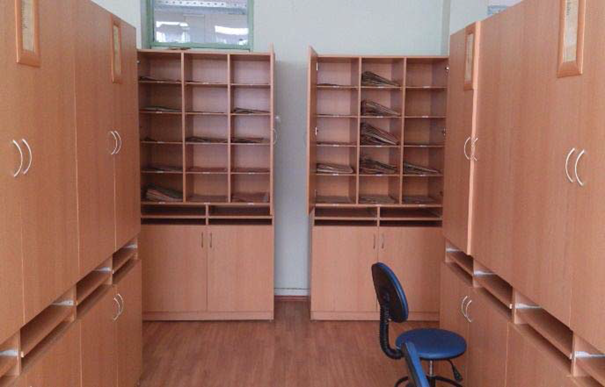
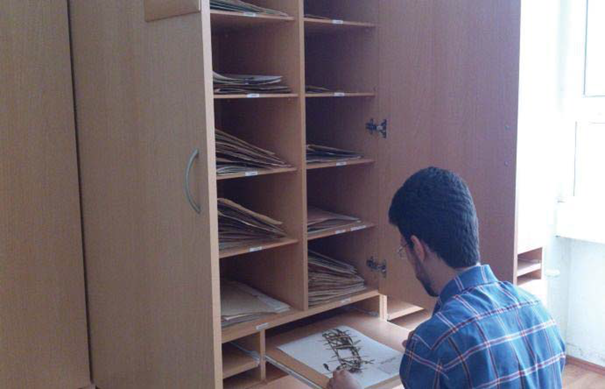
Herbaria are plant museums where collected plant specimens are pressed, dried, identified, and preserved according to a specific system. The KATO Herbarium was established in 1973 and comprises plants collected primarily from the Eastern Black Sea region as well as other parts of Türkiye. It holds approximately 20,000 specimens representing 635 genera and about 2,006 species and infraspecific taxa.
KATO is an international herbarium registered in the Index Herbariorum under the acronym KATO, and also recorded in the Türkiye Herbaria Index. The registration of KATO’s plant taxa into the Türkiye Herbaria Database via the Türkherb program is ongoing, which will connect KATO to the national herbarium network.
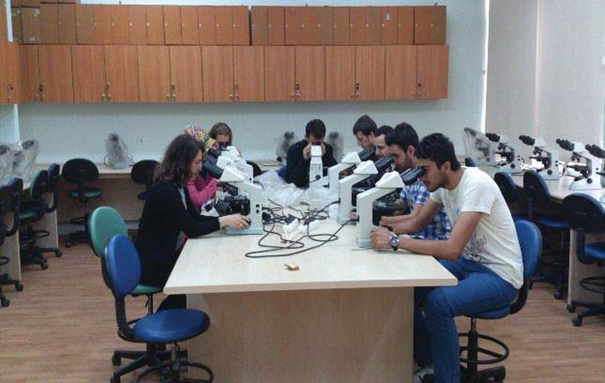
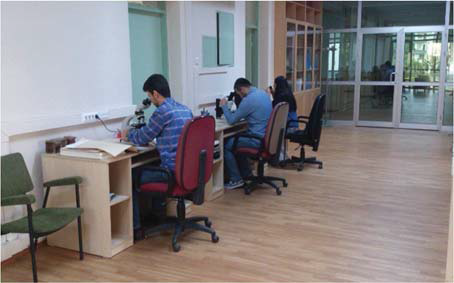
The herbarium and its affiliated laboratories are used for education–training and scientific research. Undergraduate and graduate students receive hands-on training on pressing and drying field-collected plant specimens, their identification and systematic curation, as well as preparation techniques for anatomical studies.
In the Forest Botany laboratory, various projects and investigations are conducted: measurements, observations, experiments, and evaluations; identification and preservation of plant taxa obtained through systematic studies; and a range of laboratory-based research activities.
(Illustrative captions referenced in the source text): “A view of the herbarium cabinets where plants are preserved”; “A view from plant identification studies by graduate (a) and undergraduate (b) students.”
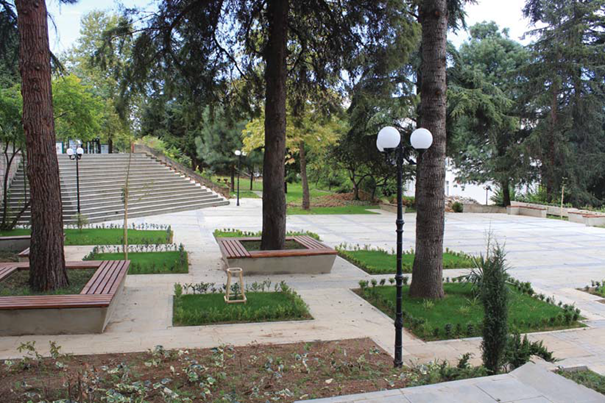
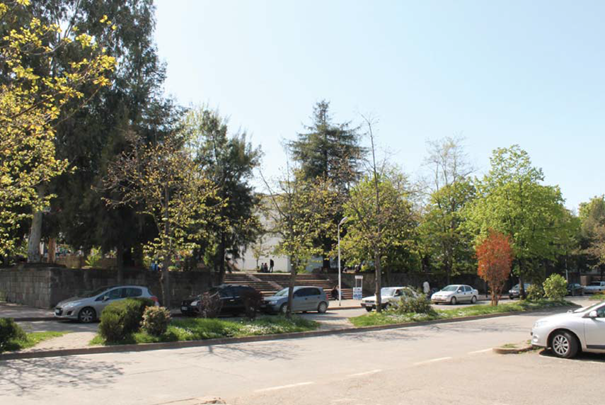
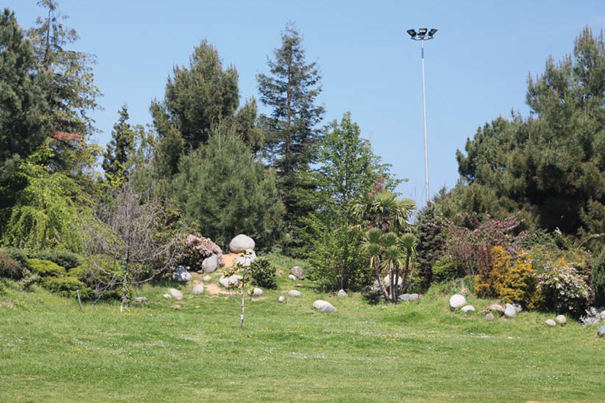
The Kanuni Campus hosts over 400 woody taxa, both native and non-native. Considering species diversity and horticultural maintenance, the campus exhibits the characteristics of a significant arboretum.