Our University conducts direct research, field monitoring, restoration, and stakeholder-engagement activities aimed at protecting marine, coastal, delta, freshwater, and other sensitive aquatic ecosystems; maintaining native species and biodiversity; monitoring and managing invasive alien species; reducing human-induced pressures that threaten habitats; and increasing ecosystem resilience.
These activities are carried out particularly by our University’s Sürmene Faculty of Marine Sciences, Department of Marine Sciences and Technology Engineering, and Department of Fisheries Technology Engineering, in cooperation with public institutions, local authorities, the fisheries sector, international research partners, and other stakeholders.
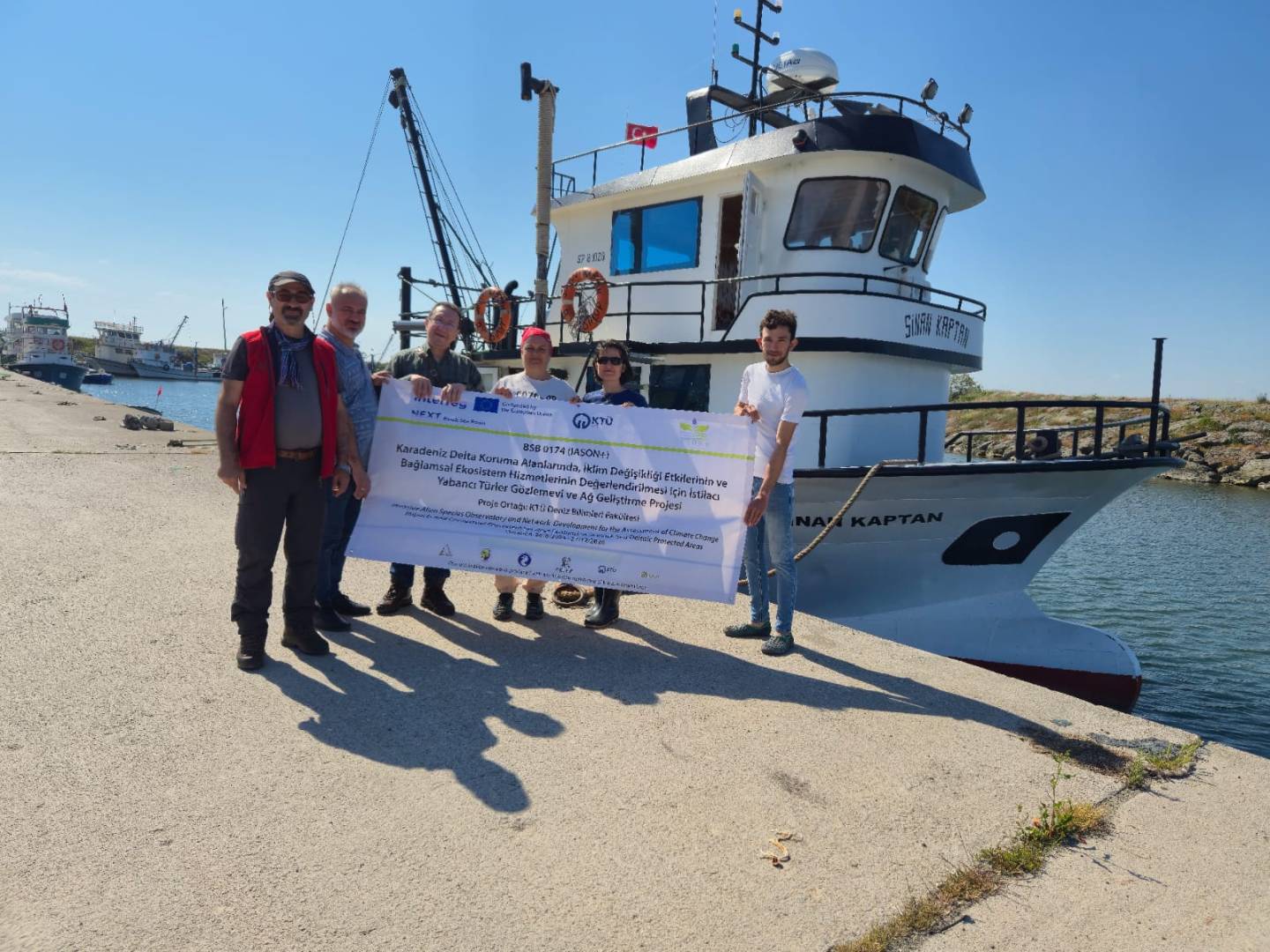
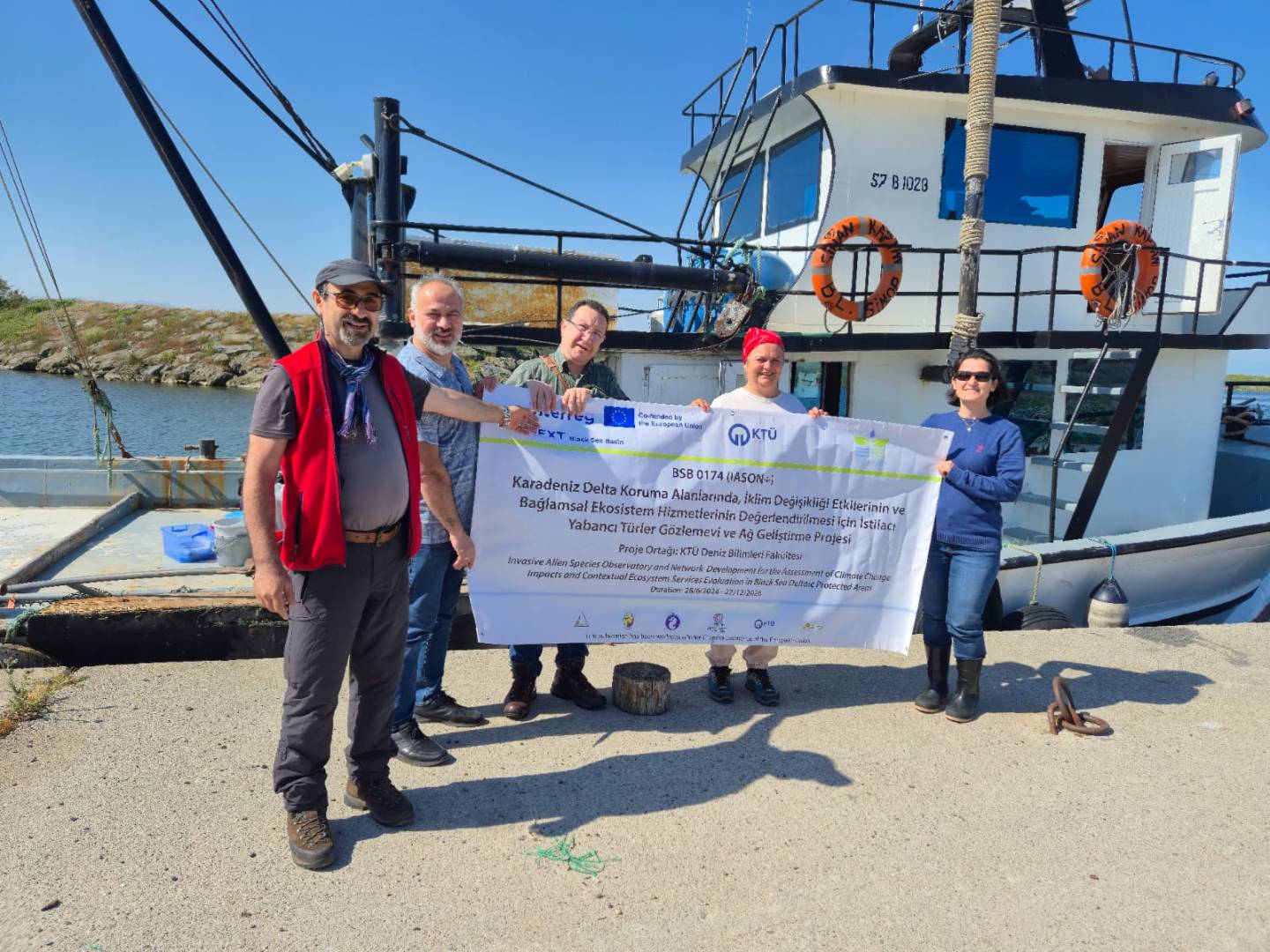
IASON+ Project: Monitoring Invasive Alien Species in the Kızılırmak Delta Protected Area
One of our University’s strongest direct biodiversity conservation research activities in 2025 was the IASON+ Project.
The project investigates the effects of Invasive Alien Species (IAS) on ecosystem services in delta ecosystems across the Black Sea Basin. It particularly focuses on sensitive areas with high biodiversity, including the Kızılırmak Delta, Danube Delta, Nestos Delta, Çoruh Delta, and Colchic Delta.
Invasive alien species may threaten native species, disrupt habitat balance, and negatively affect ecosystem services such as water purification, flood regulation, fisheries, coastal protection, and tourism. The project therefore aims to improve the management of invasive species, protect and restore ecosystem services, and strengthen the resilience of delta ecosystems.
Evidence:
https://www.ktu.edu.tr/denizbiltek/iason
2025 Spring Field Monitoring in the Kızılırmak Delta
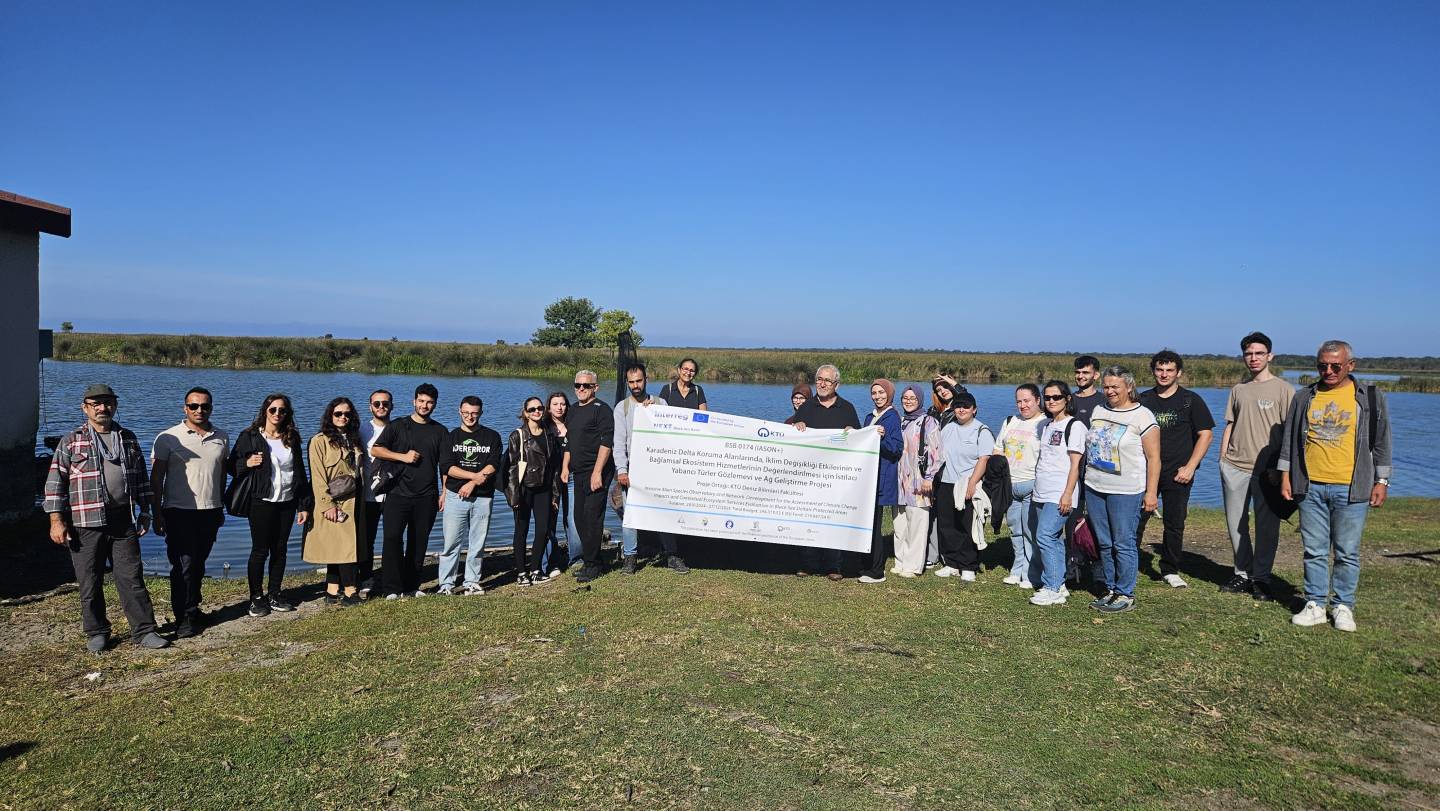
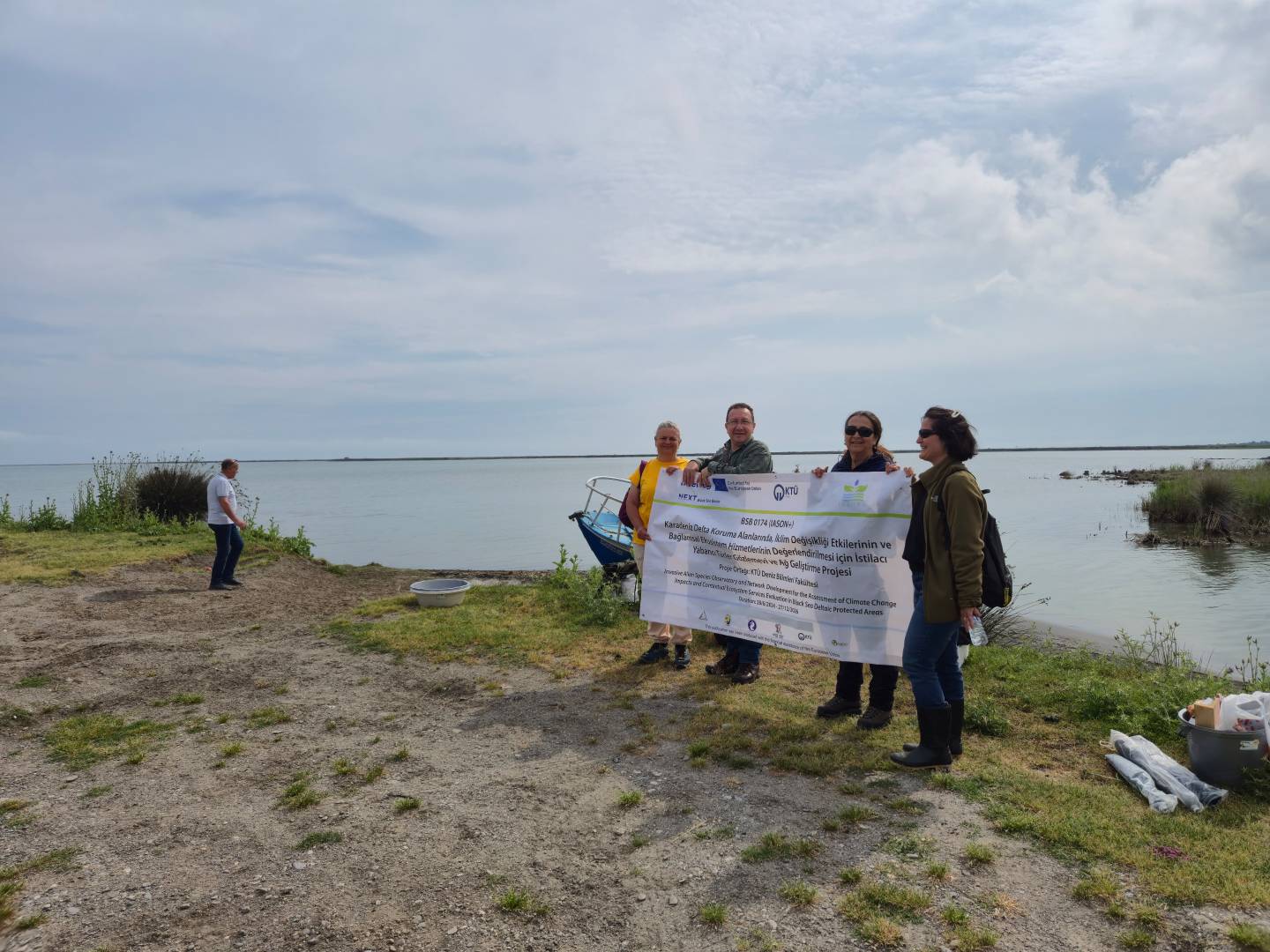
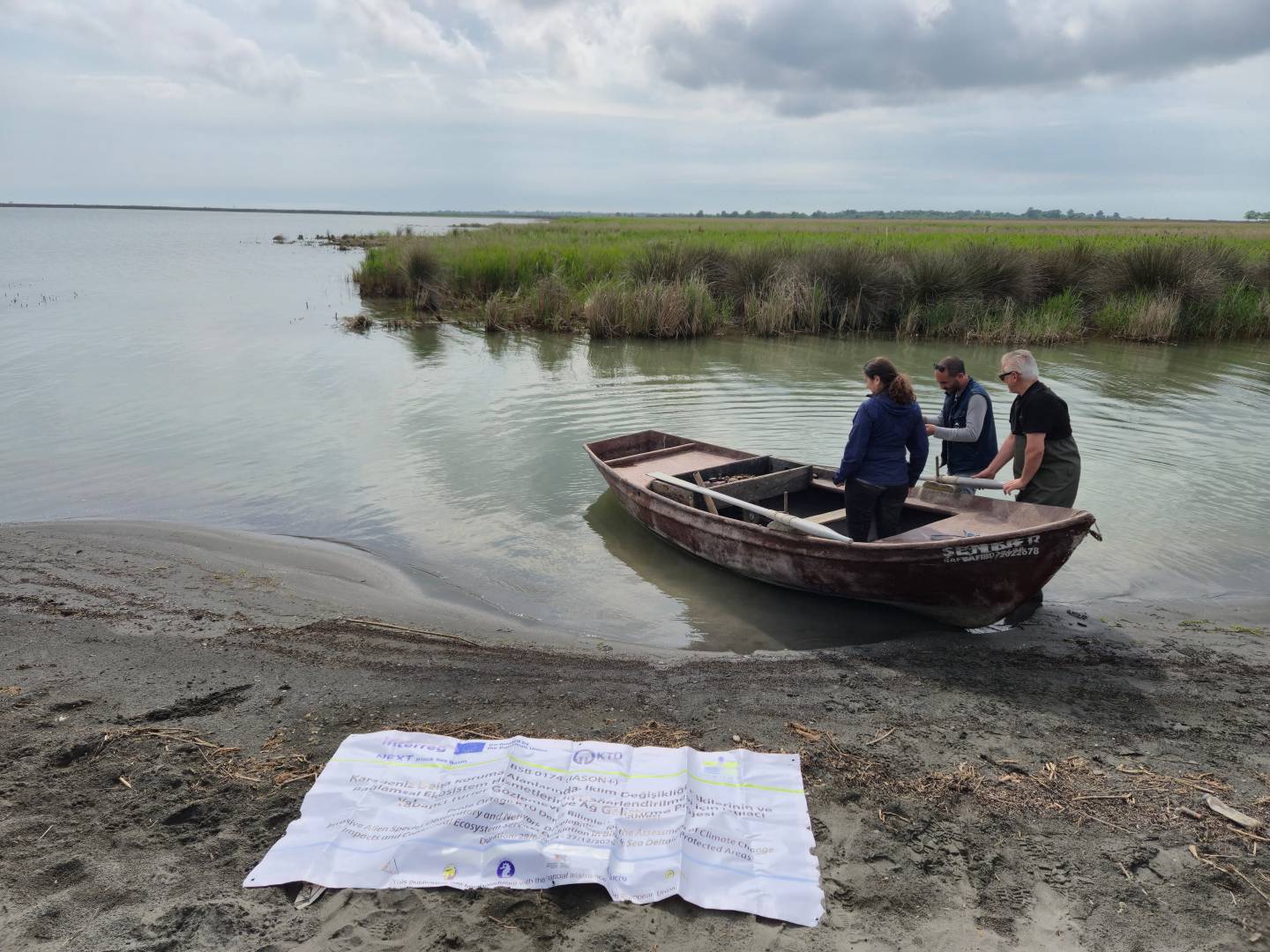
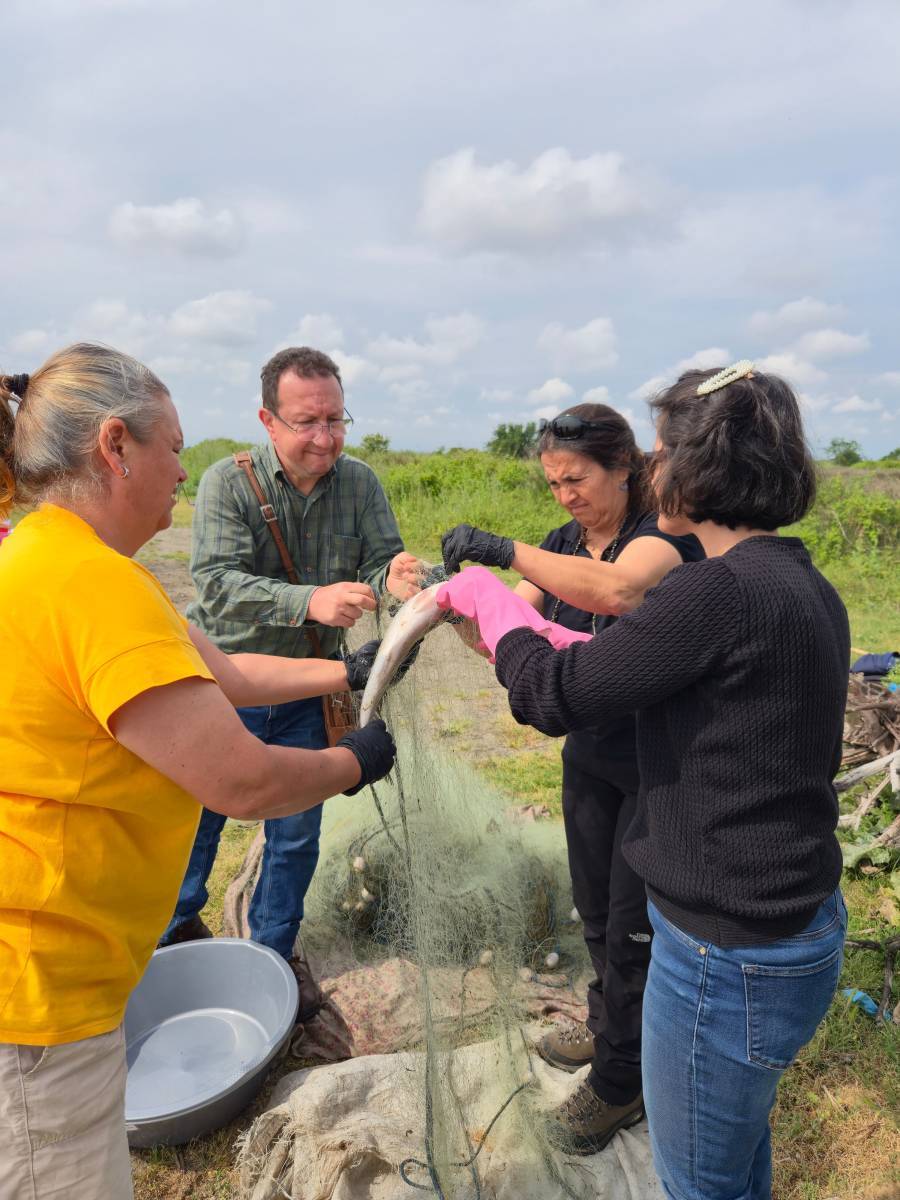
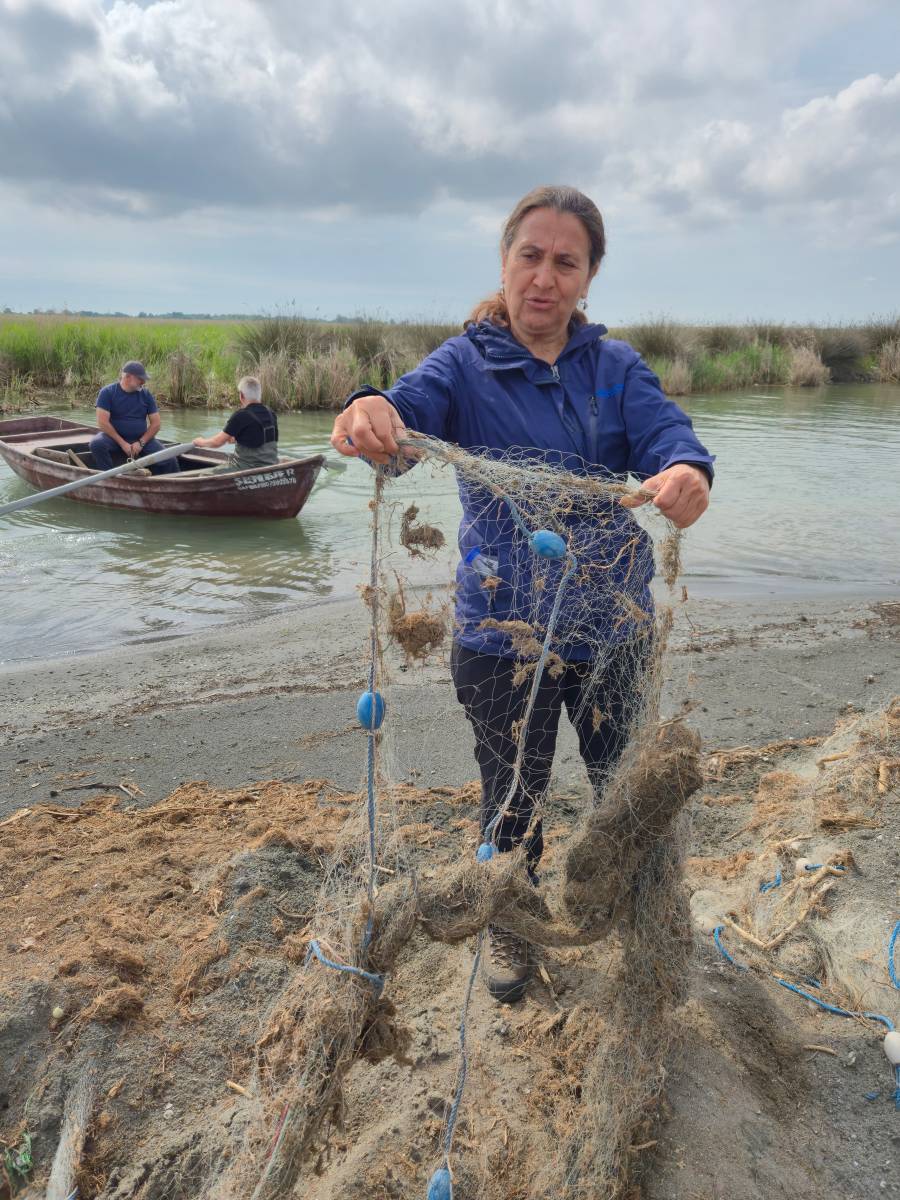
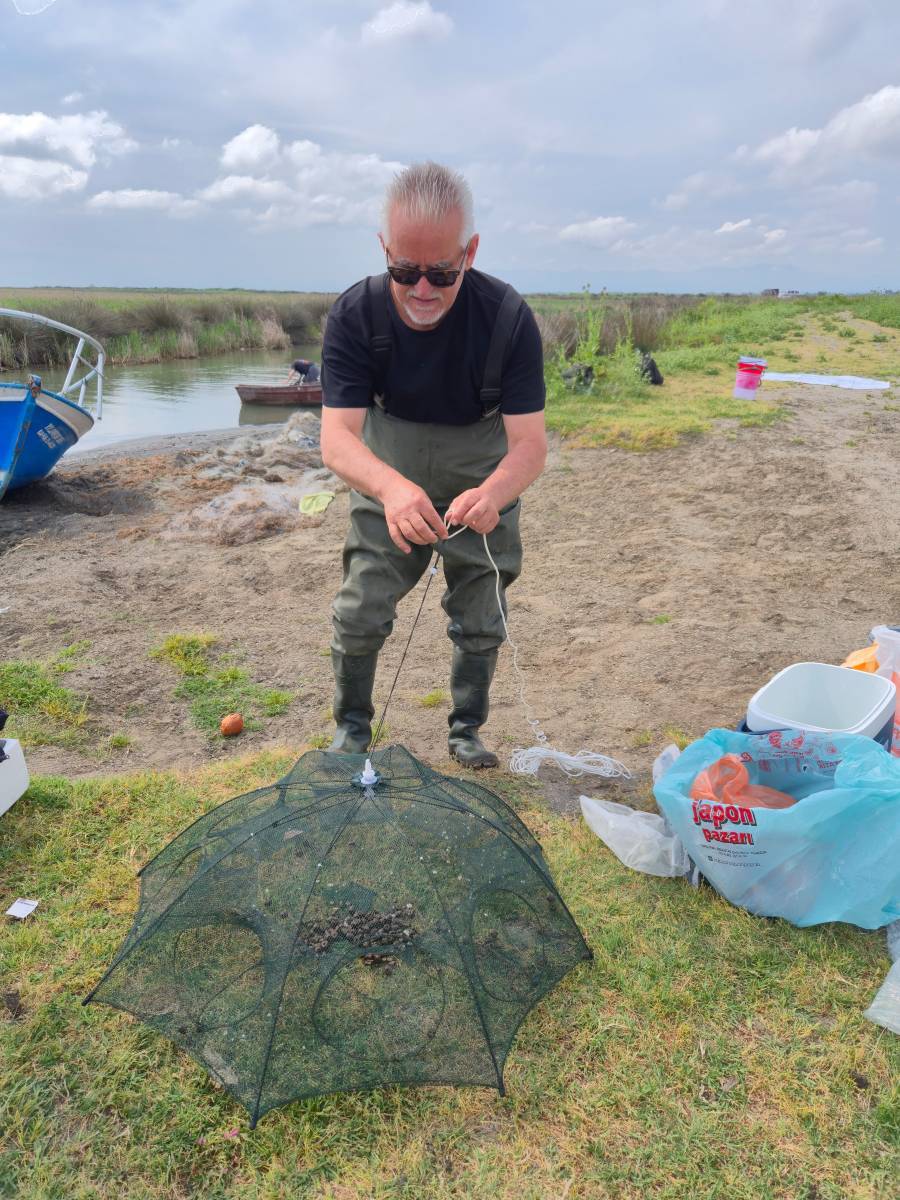
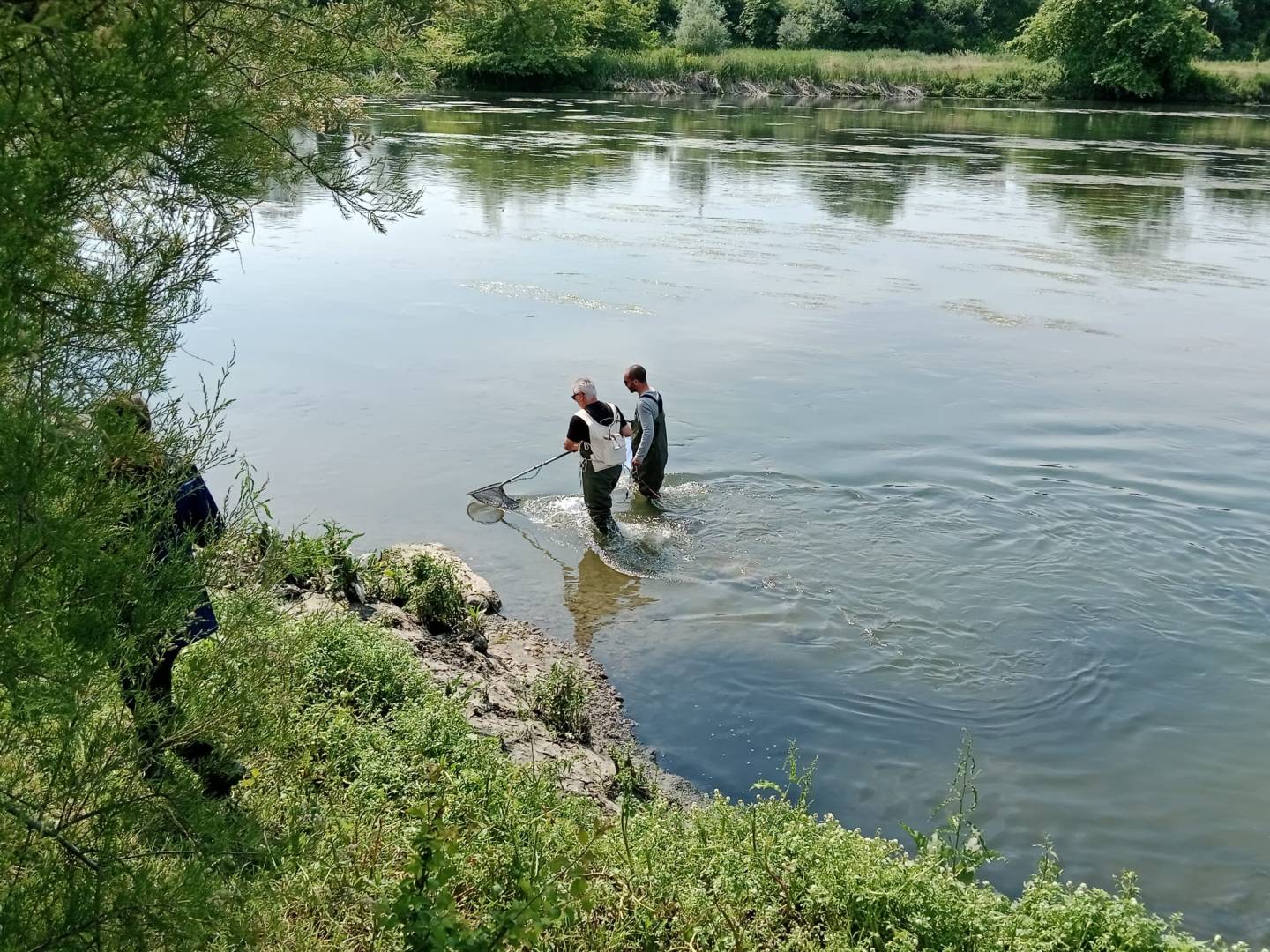
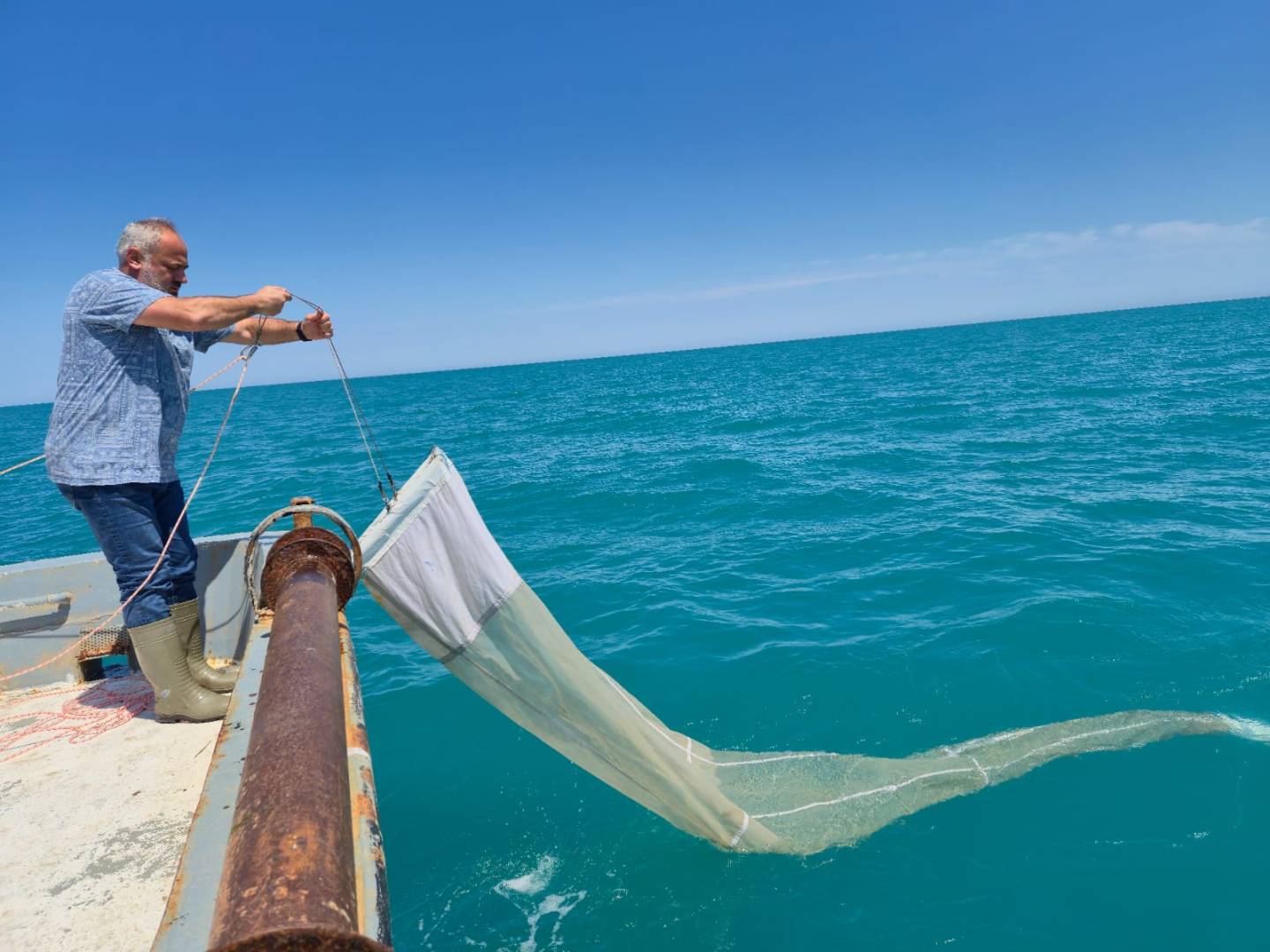
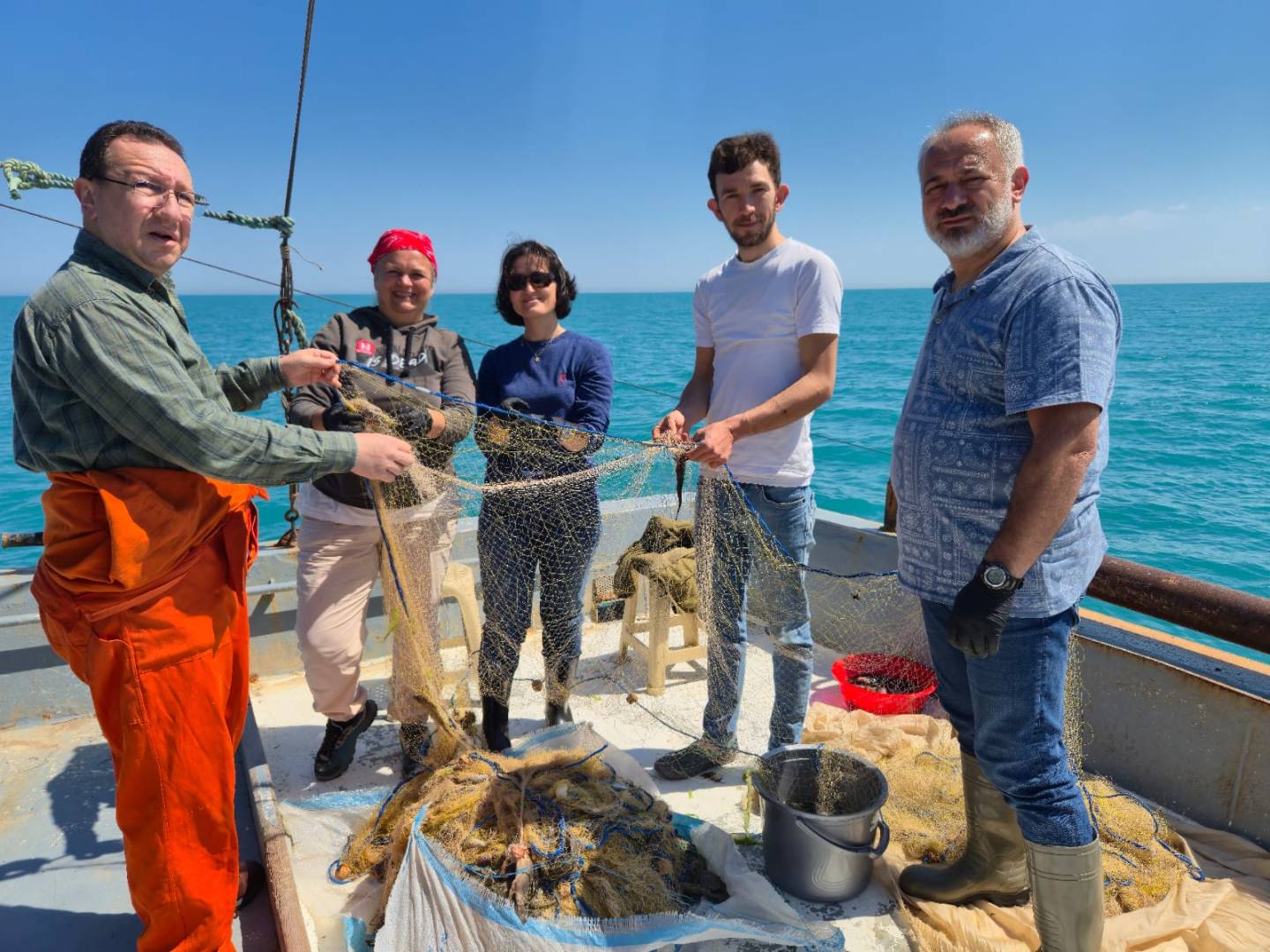
Within the scope of the IASON+ Project, direct fieldwork was conducted in the Kızılırmak Delta between 29 and 31 May 2025.
The main objectives of the study were to:
This activity was designed as part of a two-year systematic monitoring programme and was carried out directly in the field by our University academics. It therefore represents not merely an awareness activity, but direct ecosystem and biodiversity monitoring research.
2025 Autumn Monitoring in the Kızılırmak Delta
Our University did not limit its activities in this ecosystem to a single observation period. Between 24 and 26 October 2025, autumn monitoring of aquatic invasive alien species was also carried out in the Kızılırmak Delta Protected Area.
These repeated field studies enable systematic monitoring of changes in the biological structure of a sensitive and protected ecosystem such as the Kızılırmak Delta.
International Research and Training on Ecosystem Services and Biodiversity
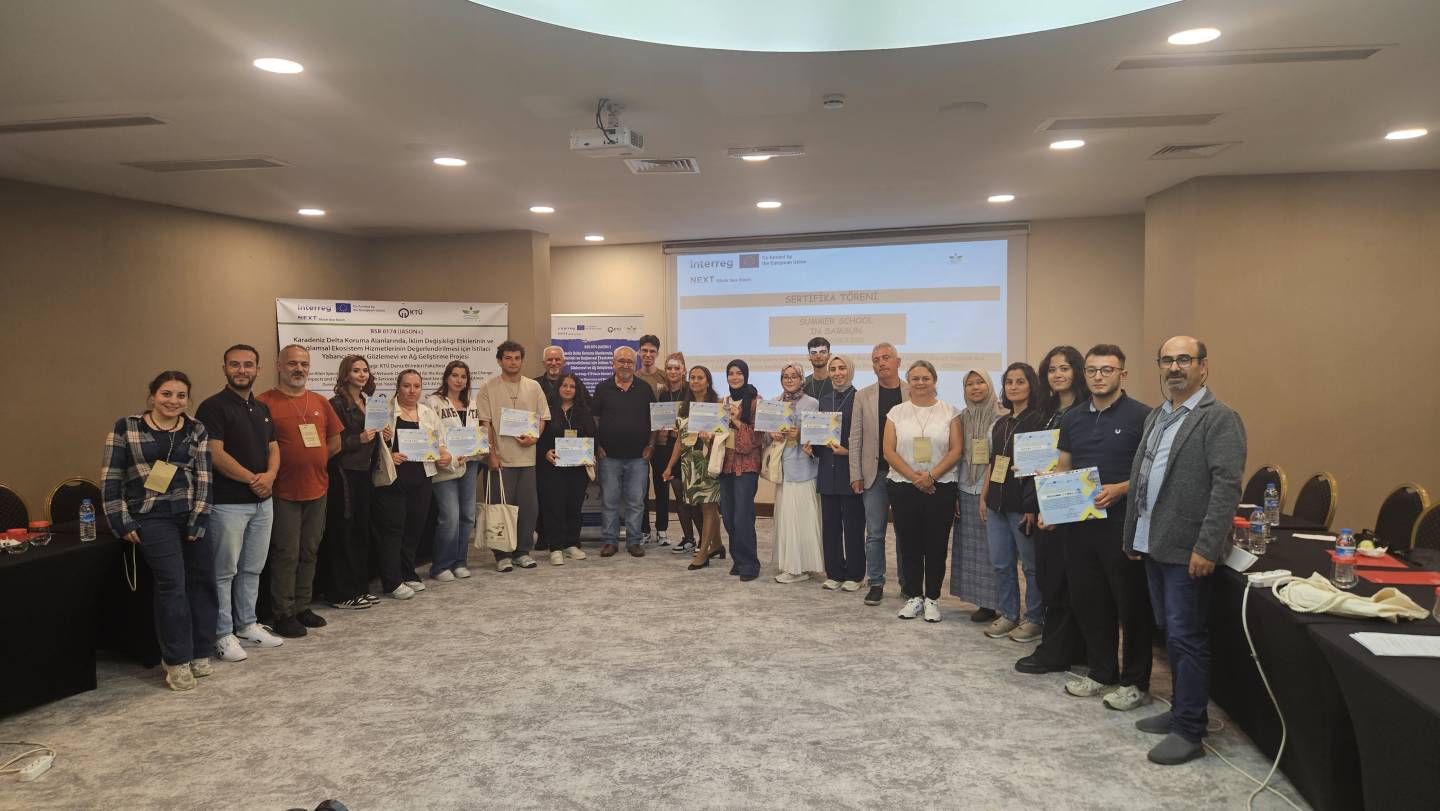
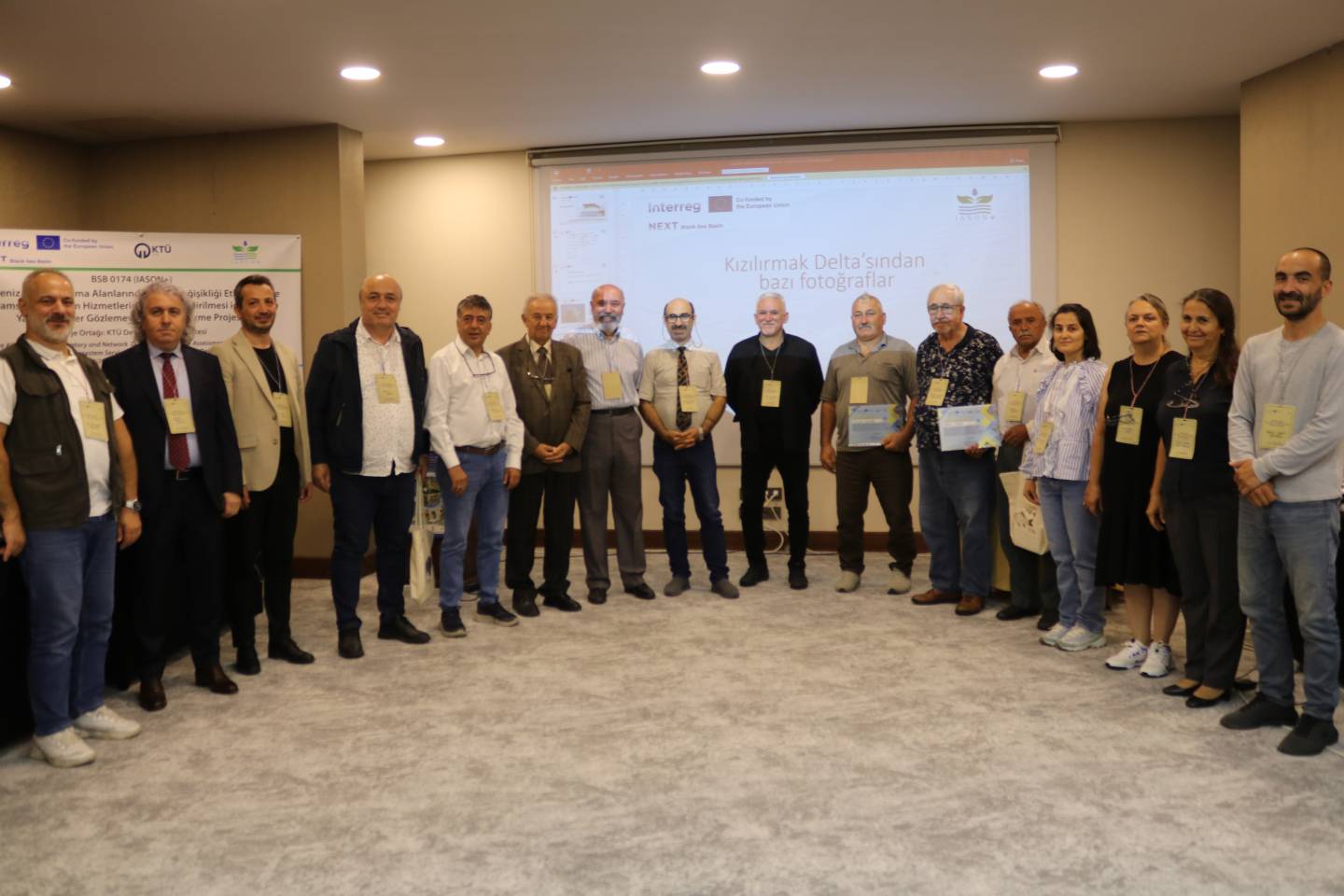
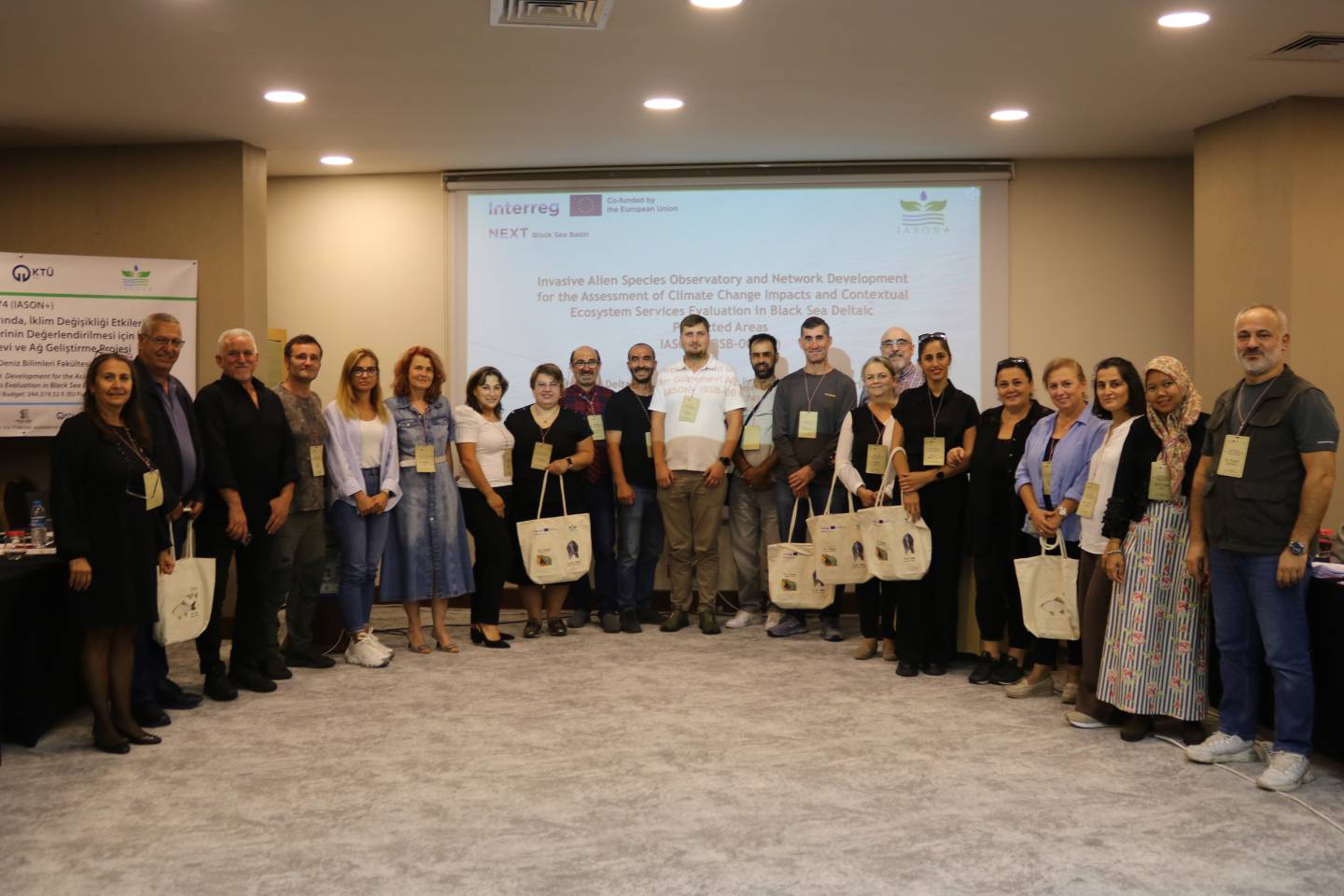
Within the scope of IASON+, an Ecosystem Services Summer School was organised in the Kızılırmak Delta between 22 and 28 September 2025.
The programme brought together academics, experts, students, and stakeholders from Türkiye, Romania, Ukraine, Georgia, and Greece. Topics included:
Participants also conducted field visits in the Kızılırmak Delta, directly observed different ecosystem services, and discussed possible approaches for addressing threats caused by invasive species.
BIOBLACK Project: Direct Protection of Black Sea Biodiversity
In 2025, our University also launched the BIOBLACK – Raising Awareness for Black Sea People to Recognise and Protect Black Sea Biodiversity Project.
The project covers the period 31 July 2025–31 January 2027 and is being implemented under the EU co-funded Interreg NEXT Black Sea Basin Programme, with our University serving as the lead partner.
The main objective of the project is to strengthen the conservation of Black Sea biodiversity, generate scientific knowledge on native, invasive, and endangered species, and ensure that this knowledge is used in conservation practices.
The project aims to:
Evidence:
https://www.ktu.edu.tr/denizbiltek/bioblack
2025 Project Activity:
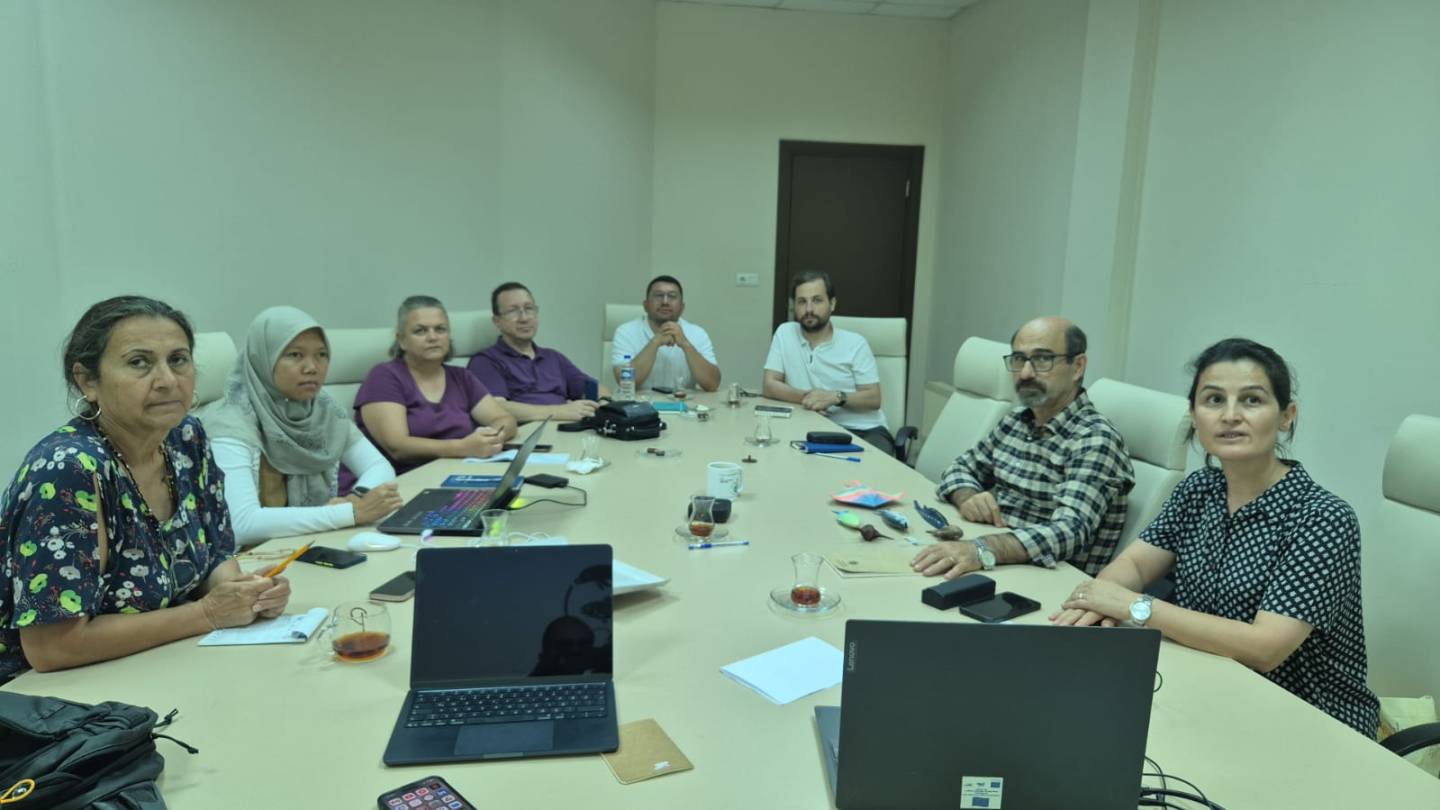
https://www.ktu.edu.tr/denizbiltek/haber/bioblack-projesi-ilk-ekip-toplantisi-gerceklestirildi
BlackNETs Project: Direct Protection of Marine Habitats and Biodiversity
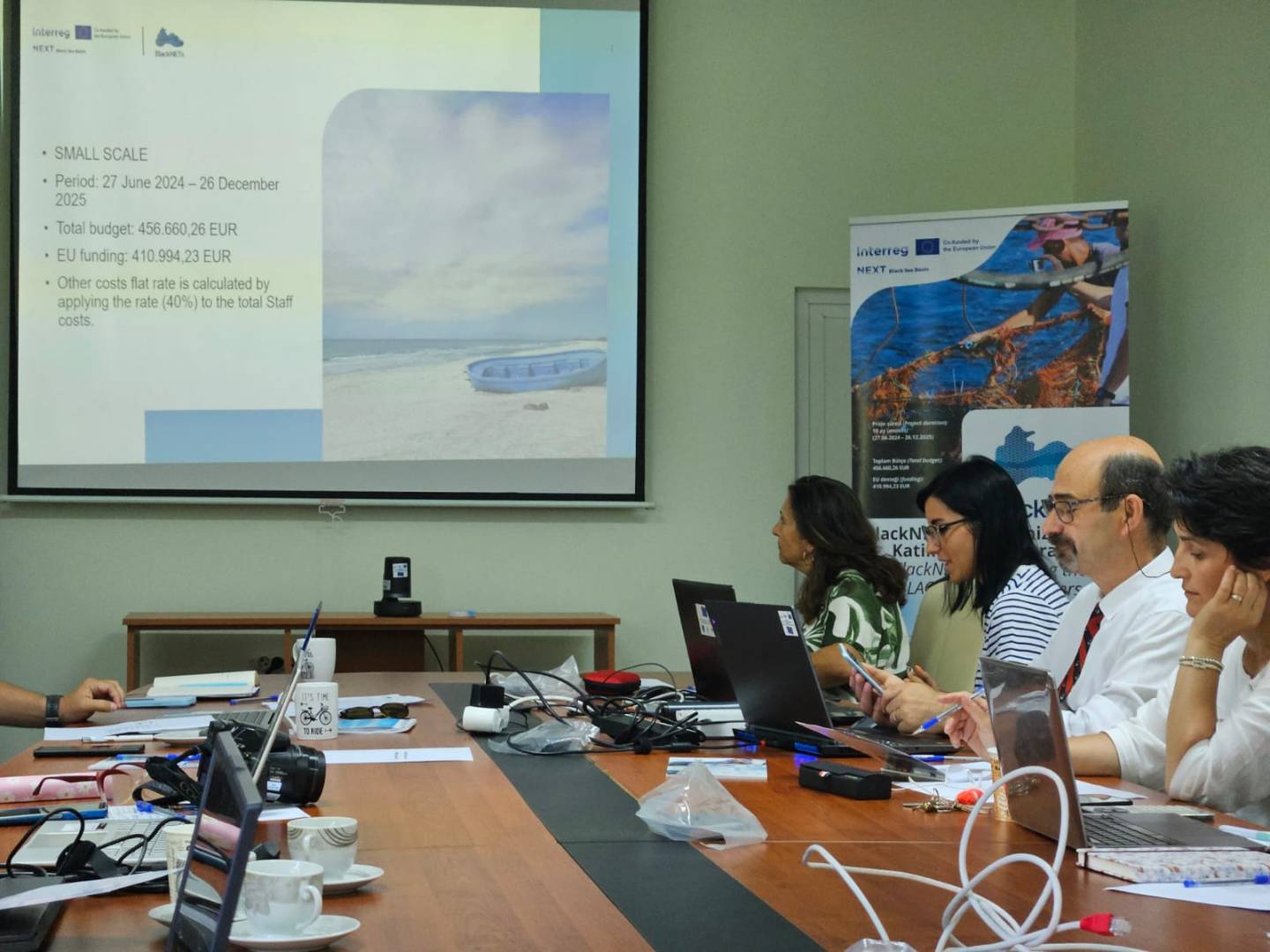
Another major initiative through which our University directly protects ecosystems is the BlackNETs Project.
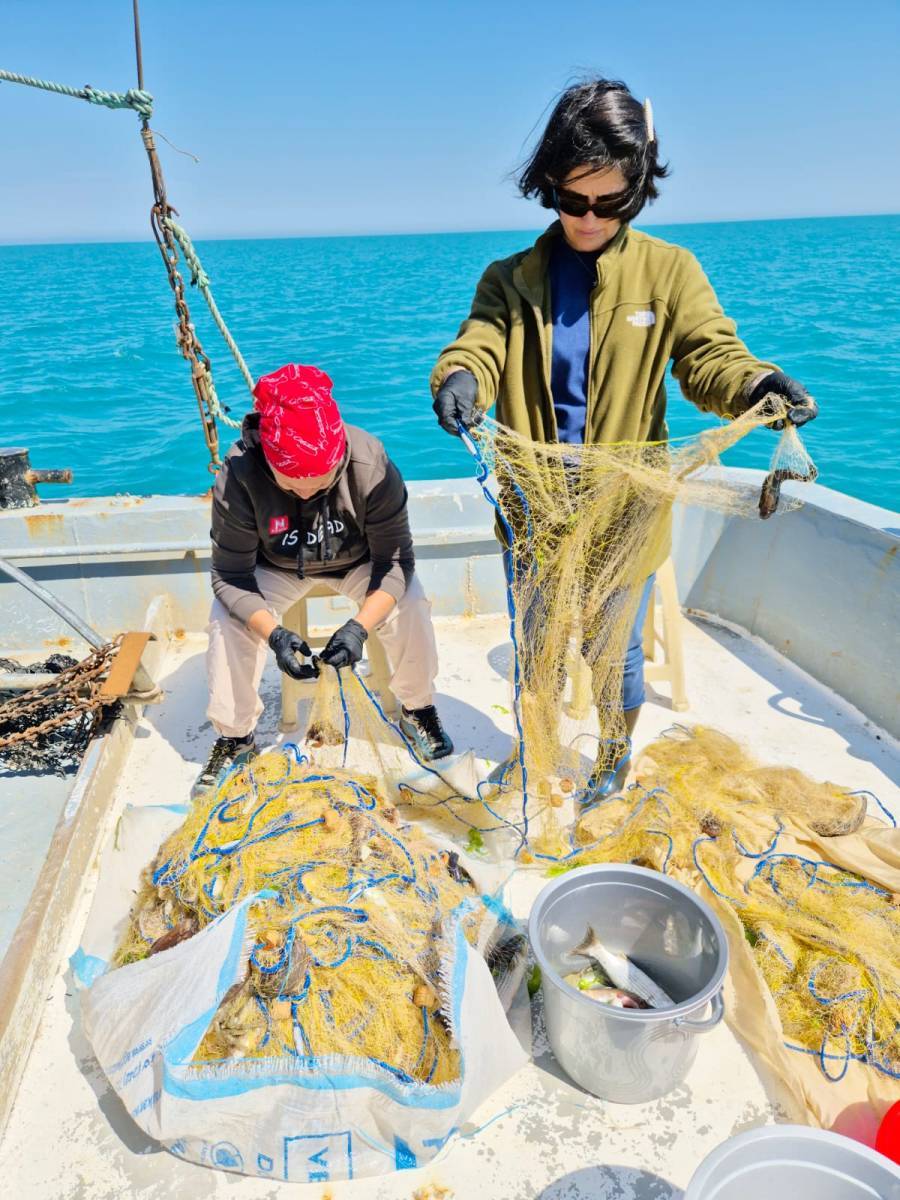
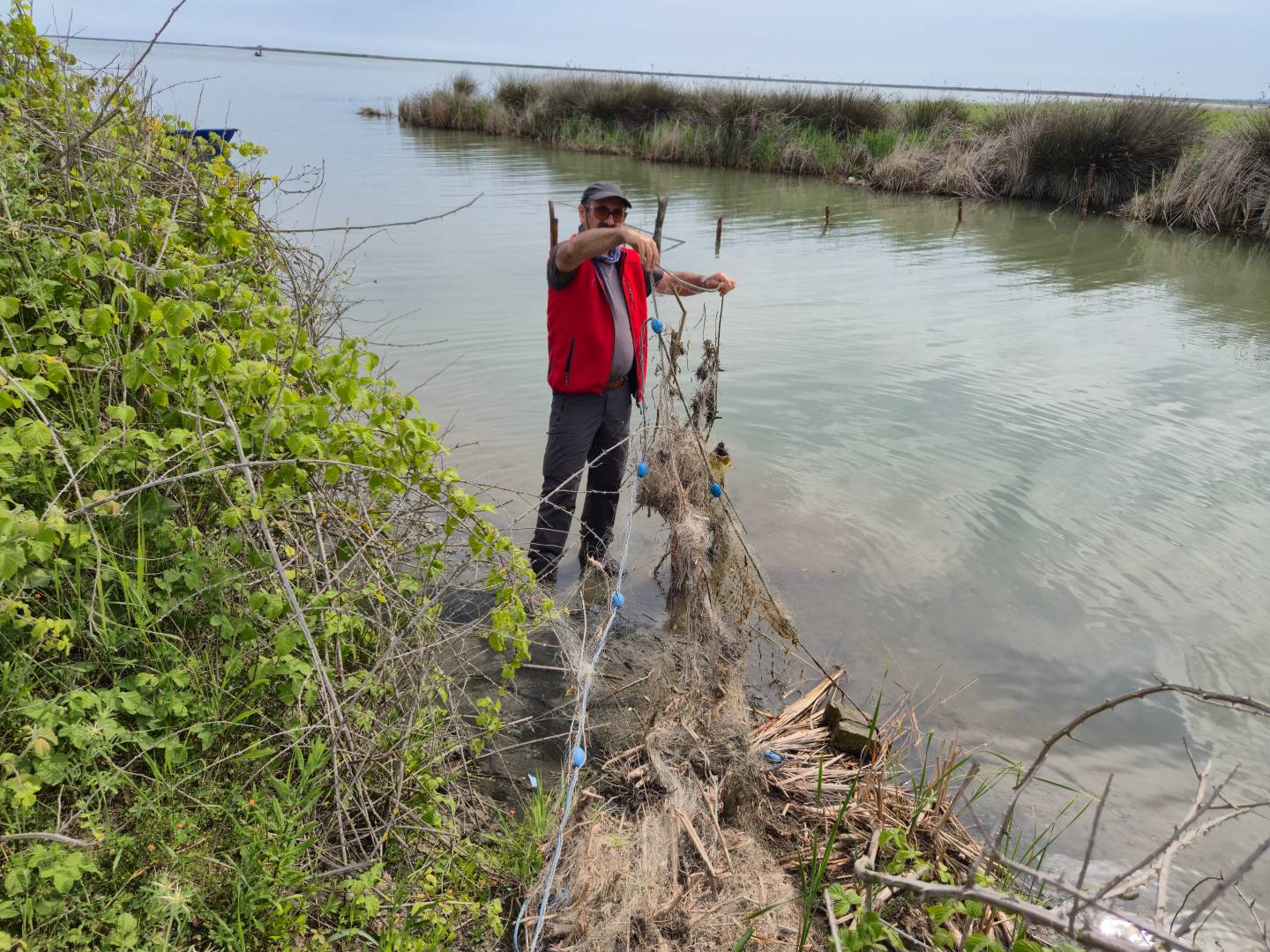
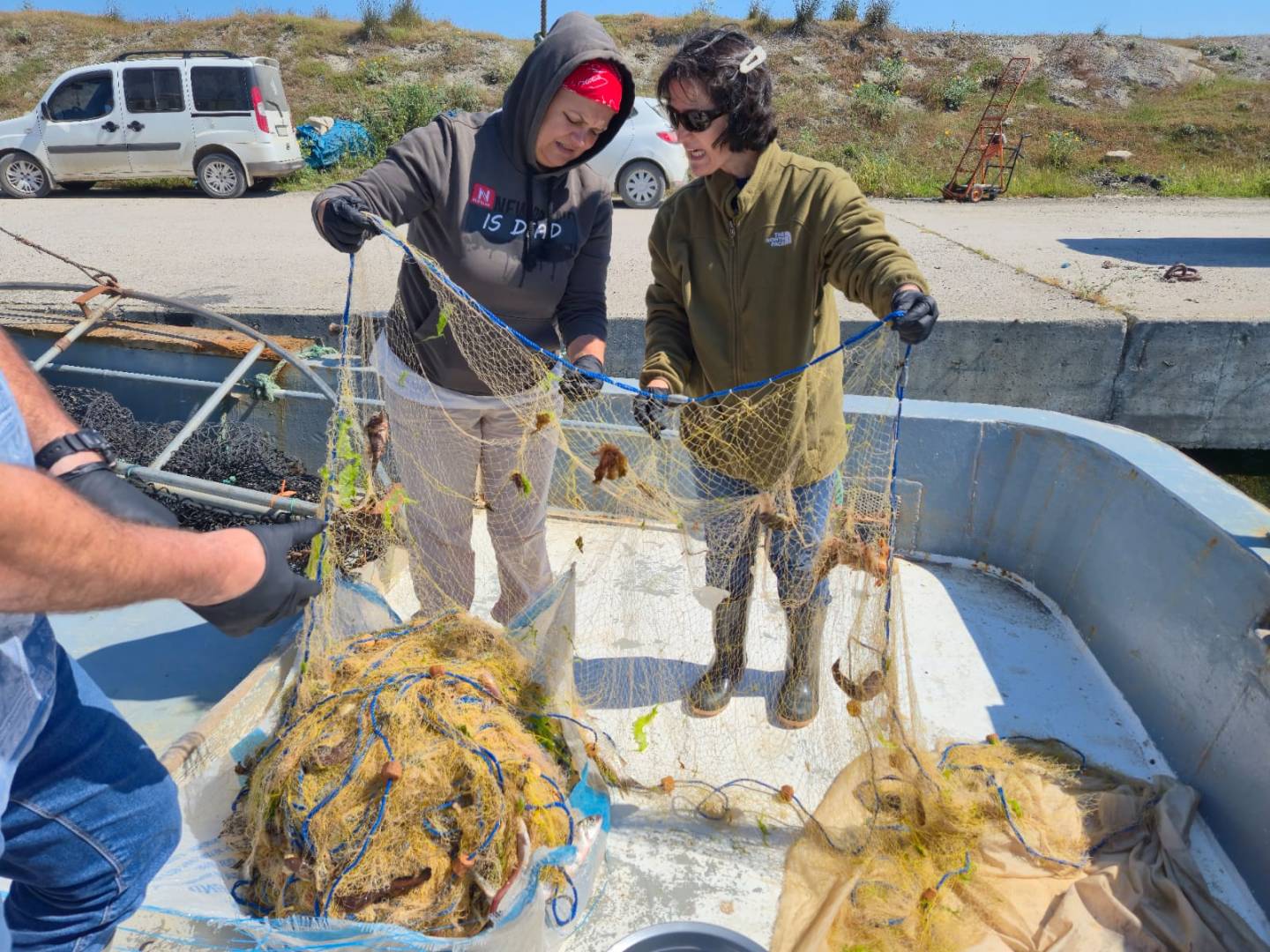
BlackNETs aims to identify and reduce the damage caused to the Black Sea ecosystem by abandoned, lost or otherwise discarded fishing gear (ALDFG). Such fishing gear may continue trapping fish, invertebrates, and other marine organisms underwater, creating lethal pressure on marine life and negatively affecting seabed habitats and biodiversity.
The project objectives include:
Evidence:
https://www.ktu.edu.tr/denizbiltek/blacknets
More Than 9 Tonnes of Fishing Gear Removed from the Black Sea
During the 18-month implementation period of the BlackNETs Project, completed at the end of 2025, a total of 9,344.9 kg of fishing gear was removed from the Black Sea, and areas with high concentrations of ghost nets were mapped.
This activity directly contributes to:
BlackNETs therefore demonstrates that our University does not merely conduct biodiversity research, but also implements physical conservation interventions that directly improve ecosystem conditions.
Evidence:
https://www.ktu.edu.tr/denizbiltek/haber/blacknets-projesi-aralik-2025-basin-bulteni
Natural Trout Production and Conservation of Native Species
One of our University’s direct activities for the conservation of freshwater biodiversity is the “Natural Trout Production, Breeding and Stocking of Inland Forest Waters Project”, conducted in cooperation with the General Directorate of Nature Conservation and National Parks.
In 2025, a field inspection and implementation meeting was held at the Maçka–Altındere production station, with the participation of representatives from our University and the General Directorate of Nature Conservation and National Parks.
During the meeting, the 2025–2026 red-spotted trout production and release programmes, as well as future conservation and production activities, were evaluated.
This project represents a direct conservation practice through:
The project also demonstrates that our University contributes to biodiversity conservation through direct cooperation with public institutions.
Integrating Research, Public-Sector and Industry Cooperation
Our University’s activities in 2025 demonstrate that ecosystem and biodiversity conservation is not limited to academic research.
The following activities are implemented in an integrated manner:
This approach demonstrates that our University addresses biodiversity conservation through an integrated model combining research, direct field intervention, public-sector/industry cooperation, and long-term monitoring.
Our University conducts direct research and field activities to maintain and enhance the structure and biodiversity of marine, delta, and freshwater ecosystems, particularly those that are threatened or ecologically sensitive.
The IASON+, BIOBLACK, BlackNETs, and Natural Trout Production and Stocking of Inland Forest Waters projects implemented in 2025 are concrete examples of this approach.