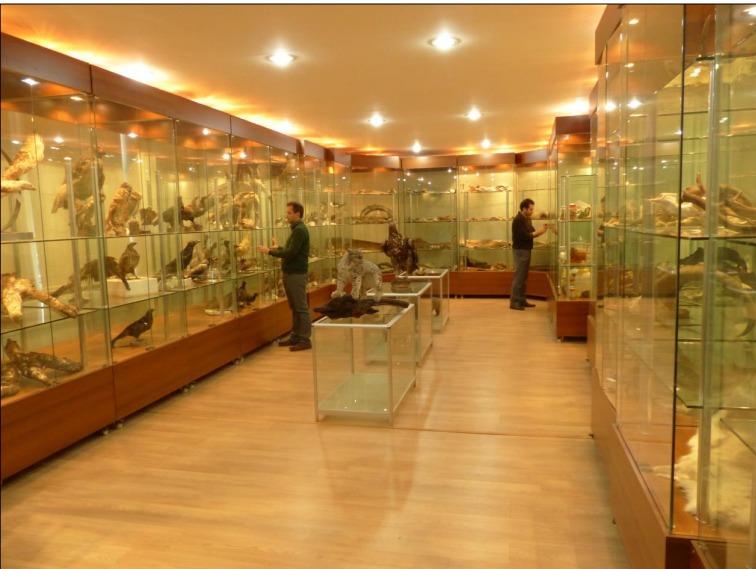
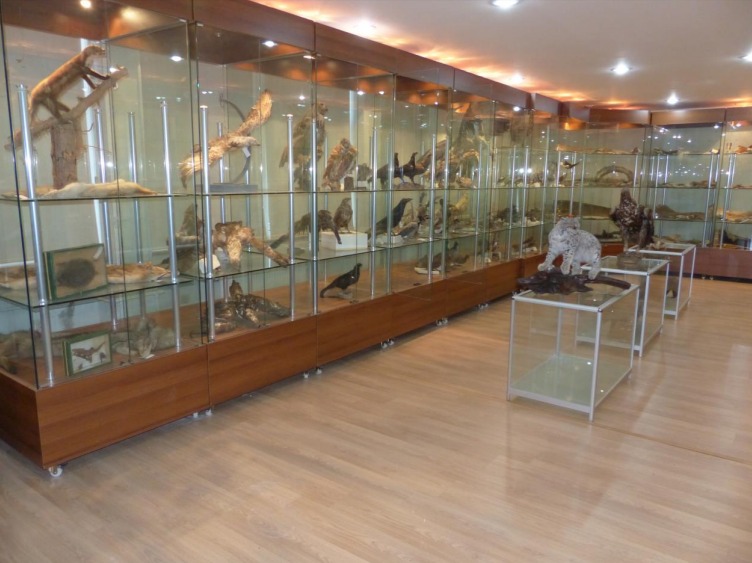
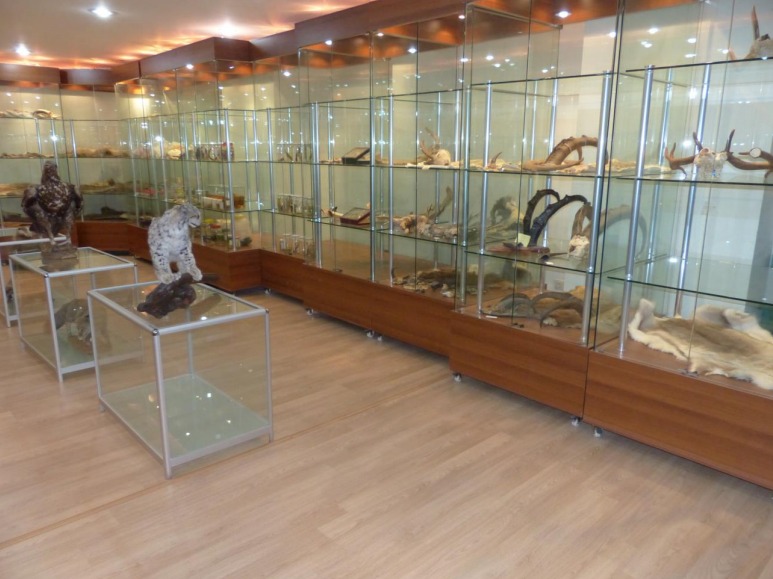
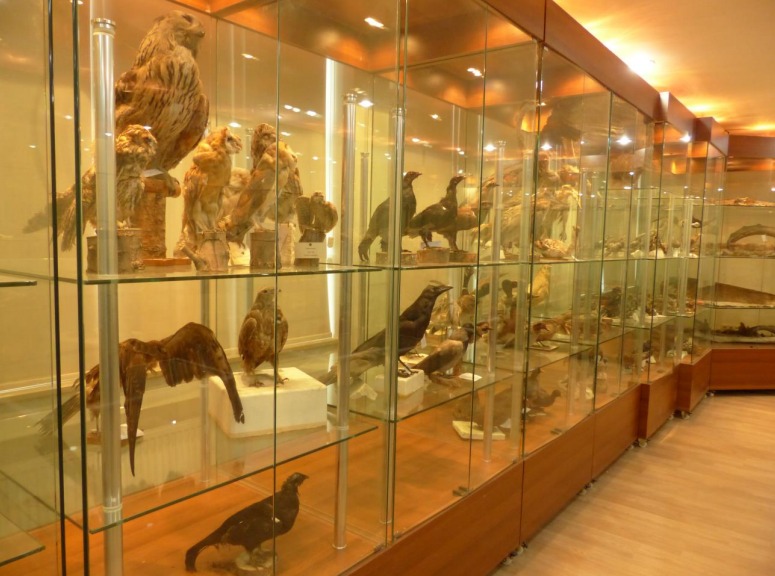
The Wildlife Museum, operating within Karadeniz Technical University (KTU), is an important scientific and cultural center that aims to raise awareness about the protection of nature and biodiversity. The museum is open not only to university members but also to all segments of society, offering visitors of all ages the opportunity to closely explore nature.
The museum’s collection exhibits numerous specimens of mammals, birds, reptiles, and insects native to the rich ecosystem of the Black Sea Region. In this way, the museum contributes to both education and research activities while providing visitors with the chance to discover the diversity of nature.
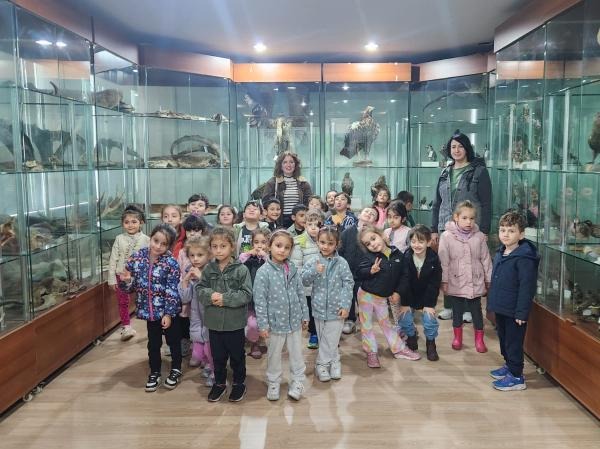
Throughout the year, the Wildlife Museum hosts groups from schools, public institutions, NGOs, and research centers. Thanks to guided tours organized especially for students, a love of nature and environmental awareness are supported from an early age.
School Visits (December 2–6, 2024)
Trabzon Araklı Yılmaz Çebi Primary School Visit – December 19, 2024
Trabzon Karadeniz Special Education Vocational School Visit – December 20, 2024
KTU Forestry Students Visit – December 30, 2024
Wildlife Museum (Faculty of Forestry, Department of Wildlife Ecology and Management)
The Wildlife Museum, established within the Department of Wildlife Ecology and Management at the Faculty of Forestry, was initially founded for student training. Today, it attracts strong interest from school groups and the wider public for introducing and promoting the conservation of the region’s wild animals.
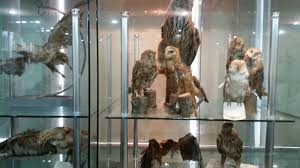
During field studies conducted by the department’s faculty, dead individuals of wild animals encountered in nature are taxidermied after the necessary scientific procedures. The skeletal parts and mounted specimens of such finds are preserved for both education and exhibition. In addition to mounted specimens of mammals, birds, reptiles, amphibians, and fish from various regions of Türkiye, the museum holds nests, horns/antlers, pelts, feces, and other wildlife-related materials.
Among the mounted specimens are the following: Brown bear, wolf, golden jackal, red fox, Eurasian lynx, Eurasian otter, marten, European badger, Indian crested porcupine, wild goat, red deer, fallow deer, gazelle, roe deer, wild boar (mammals); golden eagle, griffon vulture, hawks, sparrowhawk, black kite, Eurasian eagle-owl, mottled owl, barn owl, Caucasian grouse (Caspian snowcock/Black grouse*), woodpeckers, waterbirds, and other passerines (birds); Aesculapian snake, smooth snake, four-lined snake, semi-aquatic snake, water snake (reptiles); Caucasian salamander, banded Black Sea salamander, green toad (or common toad variants) (amphibians); and sea trout, Black Sea trout, rainbow trout, sturgeon, barb (barbel), common carp, Eurasian chub, pearl mullet (fish).
The museum is visited annually by an average of around 10,000 people, including groups from universities, vocational schools, high schools, secondary and primary schools, preschools, and research teams.