Karadeniz Technical University (KTU) conducts multi-level collaborations with public institutions, local governments, non-governmental organizations, and the private sector in line with Türkiye’s development goals. These national partnerships play a strategic role in localizing the Sustainable Development Goals (SDGs), sharing knowledge, strengthening human capital, and amplifying social impact.
Through projects with institutions such as TÜBİTAK, YÖK, the Ministry of Health, the Ministry of Environment, Urbanization and Climate Change, the Ministry of National Education, and KOSGEB, KTU contributes to multiple sustainability domains—primarily Quality Education (SDG 4), Good Health and Well-Being (SDG 3), and Industry, Innovation and Infrastructure (SDG 9). Joint projects and practices developed with local stakeholders—such as the Trabzon Metropolitan Municipality, the Trabzon Chamber of Commerce and Industry, Trabzon Technopark, and the Eastern Black Sea Development Agency (DOKA)—reinforce the university’s role in regional development and community engagement.
Through social responsibility initiatives, R&D collaborations, entrepreneurship support programs, and vocational training activities carried out with these institutions, KTU achieves impactful results at the local level. In 2024, KTU signed numerous cooperation protocols with various organizations in education, research, community outreach, health, and safety. (National Protocols)
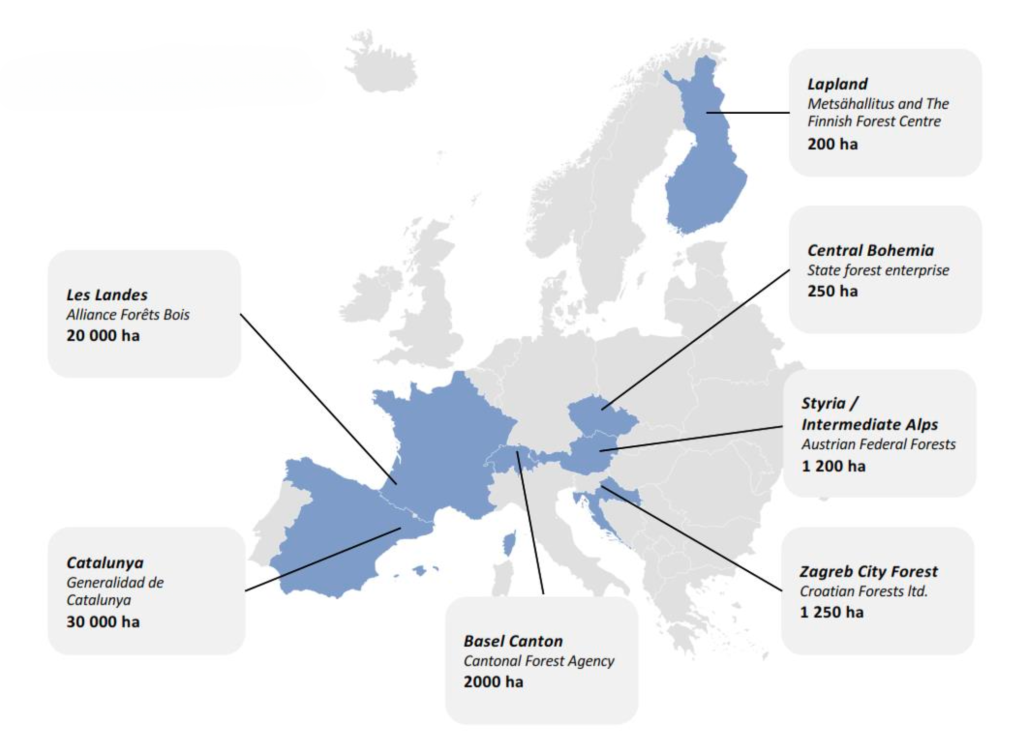
KTU has joined the “Future of Sustainable Forest Management – TRANSFORMIT” Cooperation Project, launched to integrate societal needs with biodiversity conservation. By taking part, KTU will assume a significant role in forestry by focusing on biodiversity-friendly forest management. Defined as a large-scale initiative, TRANSFORMIT goes beyond theory to address concrete policy and practice needs. Through a stakeholder engagement platform, the project aims to create new synergies among forestry institutions, practitioners, forest owners, research organizations, certification bodies, and other stakeholders. It will also develop evidence-based guidelines to expand Integrated Forest Management (IFM) recommendations. (News link)
Under the auspices of the Presidency, coordinated by the Ministry of Industry and Technology and TÜBİTAK MAM KARE, our faculty member Prof. Dr. Ersan Başar has been appointed expedition leader for the 8th National Antarctic Science Expedition (TAE VIII), and the scientific team has departed. (News link)
Held on 7–8 March 2024 at the Prof. Dr. Osman Turan Culture and Congress Center, the International Quality Conference began with an opening address by Prof. Dr. Ümit Kocabıçak, President of the Higher Education Quality Council (YÖKAK), titled “Accreditation in Higher Education in the World and in Türkiye.” With the participation of our Vice Rector Prof. Dr. Cemil Rakıcı and academics, the conference emphasized the importance of the Quality Assurance System and the stages/requirements in the accreditation process. Prof. Dr. Kocabıçak highlighted that institutions ensuring the “plan–do–check–act” cycle receive accreditation for 2 or 5 years, adding that institutional accreditation increases recognition, supports internationalization, enhances competitiveness among universities, and facilitates employment opportunities domestically and abroad. He also noted that 53 universities in Türkiye currently hold institutional accreditation (~25%), and that the accreditations granted are recognized in Europe. (News link)