Our University carries out educational, informational, and community outreach activities for local and national communities on the sustainable management of land used for agricultural production, conservation of natural resources, watershed-based land planning, agriculture–forest relations, conservation of agricultural biodiversity, and environmentally sustainable management of agricultural pests.
These activities are implemented with the contributions of our University’s Faculty of Forestry, Department of Forest Engineering, Hazelnut and Tea Application and Research Center, Faculty of Science, Technology Transfer Application and Research Center, and other academic units. Knowledge sharing and cooperation are promoted with public institutions, local authorities, professional organisations, producers, and different segments of society.
Our University’s official sustainability platform also explicitly states that KTU provides educational and informational activities for local and national communities on sustainable land management and agricultural practices, disseminates content prepared by academics to wider audiences, and cooperates with various institutions in this field.
Institutional evidence:
https://www.ktu.edu.tr/surdurulebilirlik/tarim-ve-turizm-icin-arazinin-surdurulebilir-yonetimi
Institutional Education and Knowledge Transfer for Hazelnut and Tea Producers
The Hazelnut and Tea Application and Research Center operating within our University has a direct community education and knowledge-transfer mission concerning the sustainable production of hazelnut and tea, two of the most important agricultural products of the region.
According to the Center’s official regulations, its main responsibilities include disseminating scientific and technological developments related to hazelnut and tea to production regions, investigating production-related problems at local and national levels, developing solutions, and providing practical training on new propagation techniques to individuals, institutions, and organisations engaged in hazelnut and tea production in the region.
The Center is also responsible for contributing to production in accordance with scientific methods and quality criteria and for organising scientific training programmes for technical personnel, students, and farmers. This institutional structure demonstrates our University’s capacity to provide continuous education for farmers and other local stakeholders regarding the sustainable management of agricultural land and production systems.
Evidence:
https://www.ktu.edu.tr/findikcayuam/yonetmelik
“Pests in Hazelnut and the Threat of the Brown Marmorated Stink Bug” Conference – Agricultural Education Open to the Community
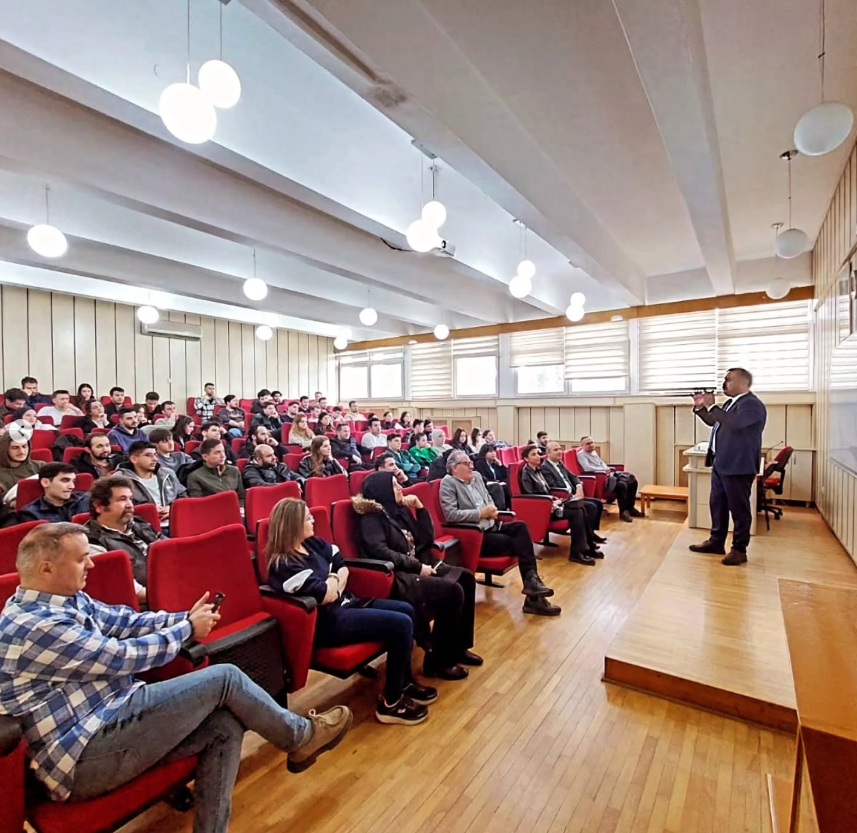
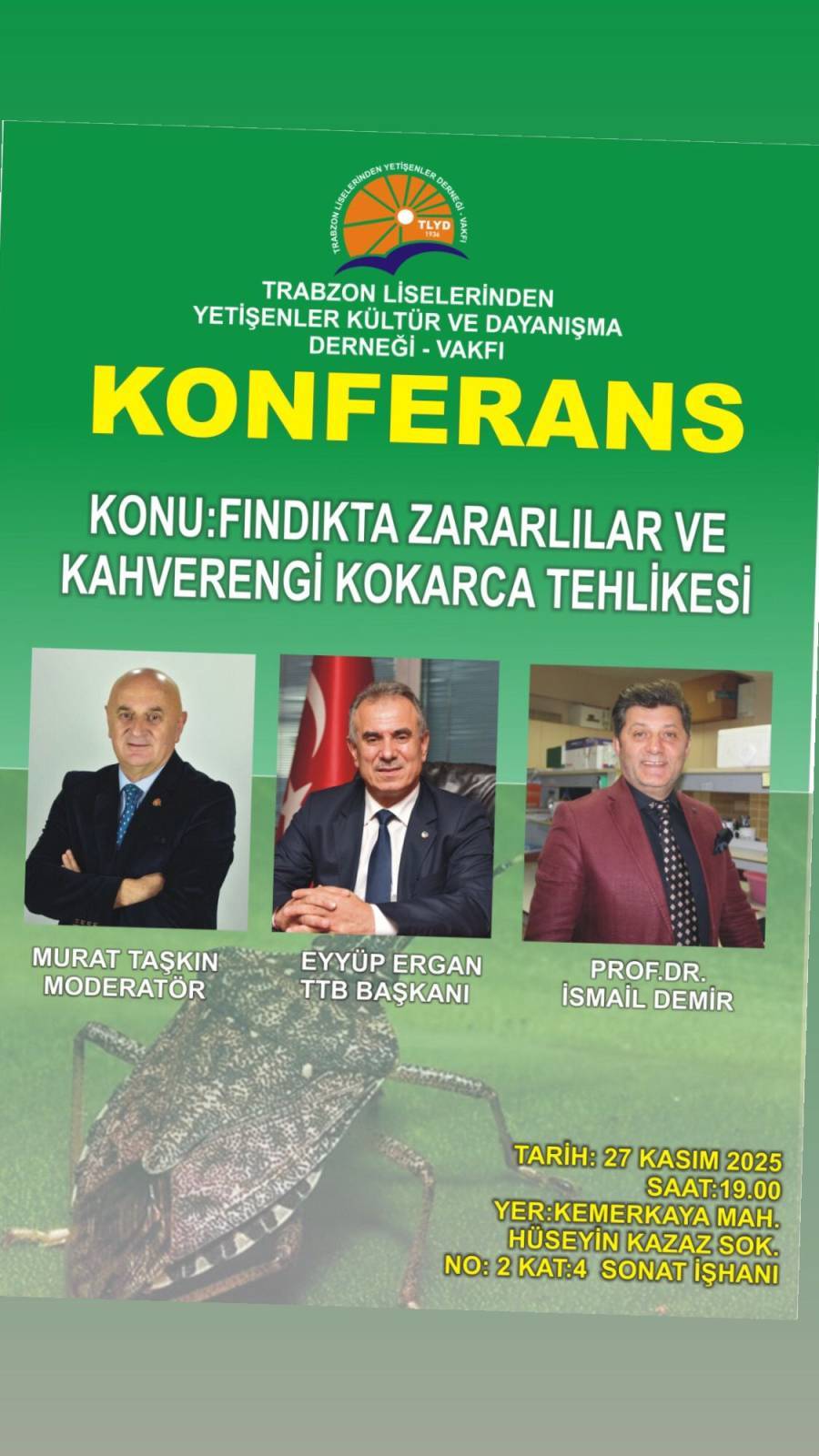
One important example of our University’s community-based agricultural knowledge transfer in 2025 was the conference entitled “Pests in Hazelnut and the Threat of the Brown Marmorated Stink Bug”, held in Trabzon on 27 November 2025.
Prof. Dr. İsmail Demir, a faculty member of the Department of Biology, Faculty of Science, participated as a speaker in the conference organised by the Association/Foundation of Graduates of Trabzon High Schools.
The event addressed pest species that threaten yield and product quality in hazelnut, one of the region’s most important agricultural products, with particular emphasis on the Brown Marmorated Stink Bug (Halyomorpha halys). Participants were provided with comprehensive information on the biology of the pest, its spread, its economic impacts on agricultural production, and available control methods.
This event represents an important outreach activity through which our University directly transferred scientific knowledge to the local community and promoted more informed, timely, and sustainable pest-management practices in agricultural production.
Effective pest management is an important component of sustainable land management because, in addition to reducing crop losses, it can help prevent unnecessary chemical use, protect agricultural ecosystems, and maintain the long-term productivity of agricultural land.
Public Information on Biological Control of the Brown Marmorated Stink Bug
Our University not only conducts research on the Brown Marmorated Stink Bug, which threatens regional agricultural production, especially hazelnut cultivation, but also shares the resulting scientific knowledge with the public.
In 2025, Prof. Dr. İsmail Demir, a faculty member of the Department of Biology, Faculty of Science, provided detailed public information on the risks posed by the Brown Marmorated Stink Bug to hazelnut production and on biological control opportunities. In our University’s 2025 institutional publications, the economic importance of hazelnut for the Black Sea Region and Türkiye, the threat posed by this invasive pest, and the need for accurate, effective, and timely control were communicated to the public.
Research is also conducted in our University laboratories on microorganisms that may be used to suppress agricultural pests, particularly entomopathogenic fungi. Our University’s sustainability platform states that fungal spores are produced and biological control methods are investigated to combat the Brown Marmorated Stink Bug.
These activities provide the scientific basis for raising awareness among regional producers and the wider community about integrated pest management and environmentally friendly biological control methods, both of which are important components of sustainable agricultural land management.
Evidence:
https://www.ktu.edu.tr/surdurulebilirlik/tarim-ve-turizm-icin-arazinin-surdurulebilir-yonetimi
Education on “Agriculture–Forest Relations in Integrated Watershed Management”
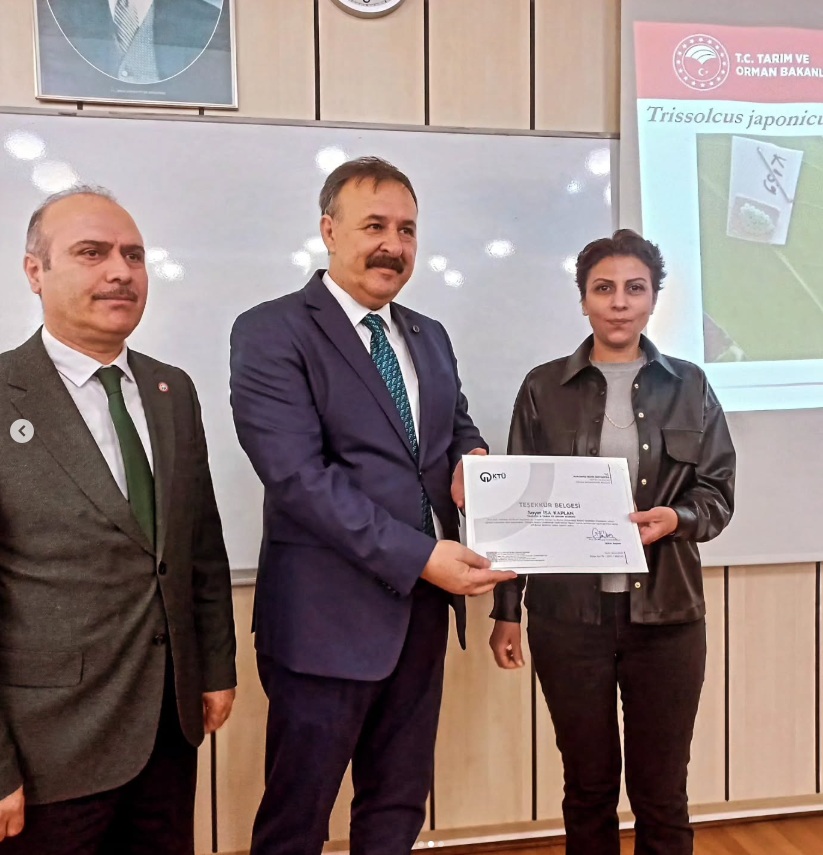
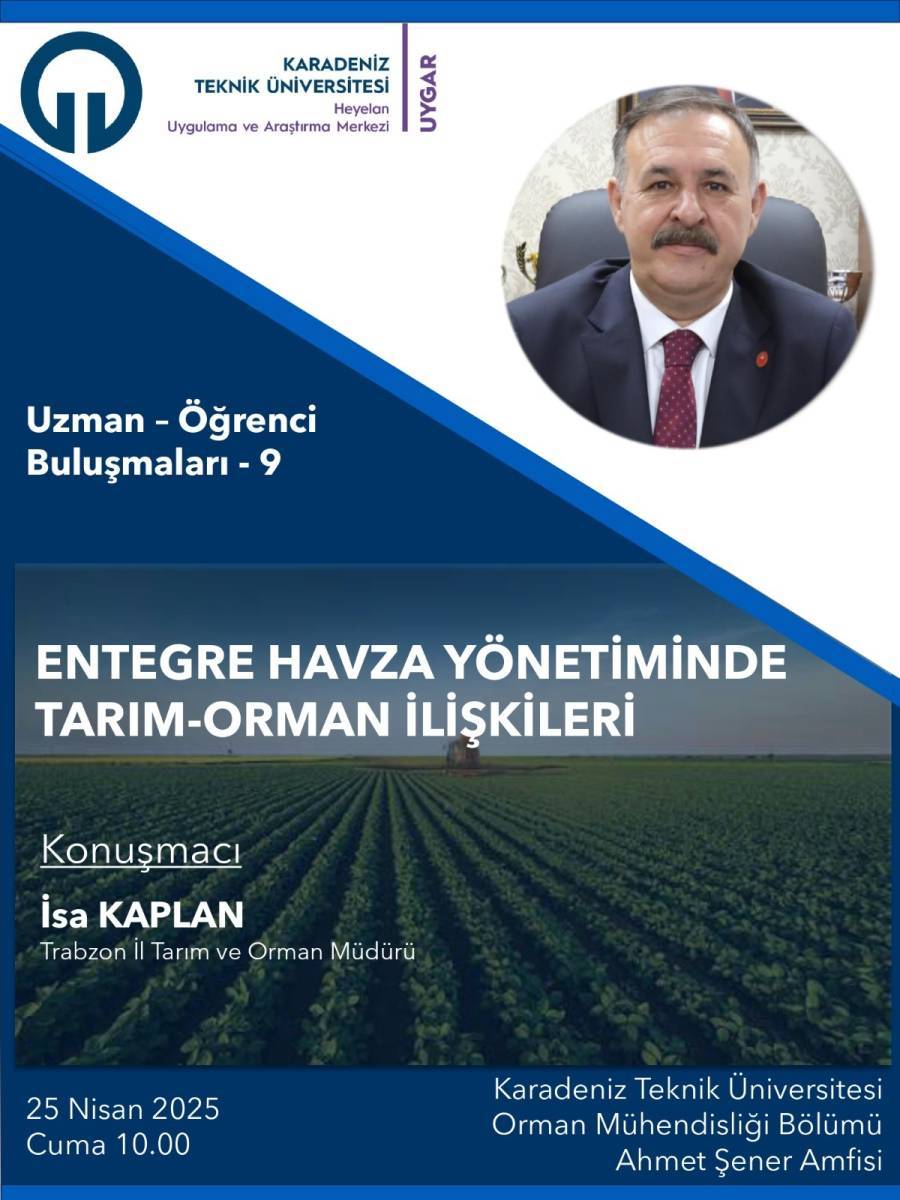
On 25 April 2025, a seminar entitled “Agriculture–Forest Relations in Integrated Watershed Management” was delivered at our University by İsa Kaplan, Director of the Trabzon Provincial Directorate of Agriculture and Forestry. The event was organised with the contributions of our University’s Department of Forest Engineering and the Landslide Application and Research Center.
The seminar emphasised a holistic approach in which agricultural and forest areas are not considered independently but as interconnected components of the same watershed system. Ecological relationships between agricultural and forest land, conservation of natural resources, watershed-scale land management, and sustainable resource use were addressed.
The event also contributed to evaluating agricultural land management through university–public institution cooperation and knowledge sharing with the Trabzon Provincial Directorate of Agriculture and Forestry.
In particular, the activity created education and awareness on:
Evidence:
https://www.ktu.edu.tr/ormanmuhendisligi/etkinlik/entegre-havza-yonetiminde-tarim-orman-iliskileri
Additional evidence regarding the event:
https://dents.ktu.edu.tr/ormanmuhendisligi/haber/entegre-havza-yonetiminde-tarim-orman-iliskileri-semineri-gerceklestirildi
KTU Landslide Application and Research Center evidence:
https://bilgiislem.ktu.edu.tr/huam/haber/uzman-ogrenci-bulusmalarinin-9uncusu-gerceklestirildi
Local Agricultural Development and University–Industry Cooperation
Our University also supports education and knowledge transfer on sustainable agricultural production through cooperation with the regional agricultural sector.
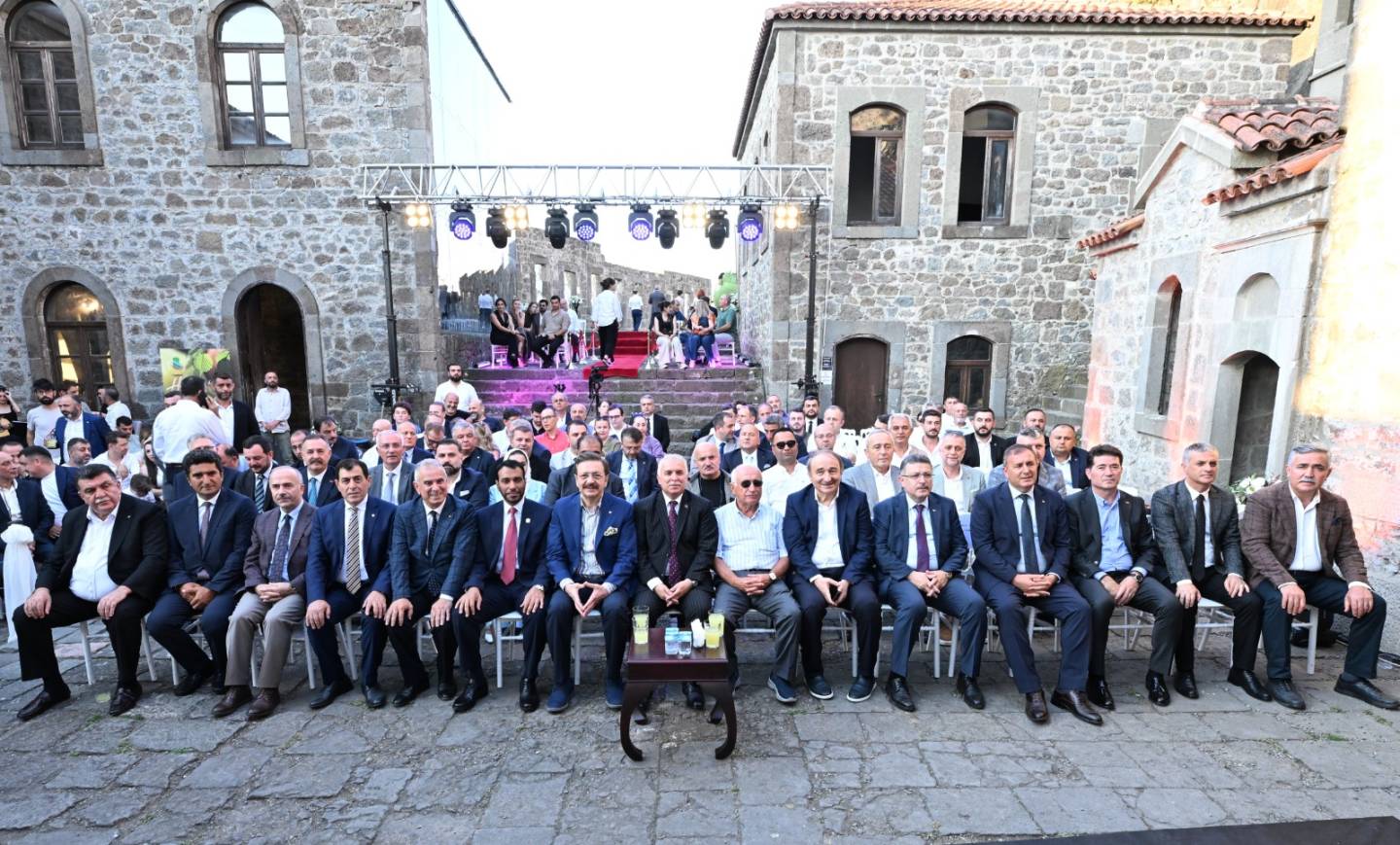
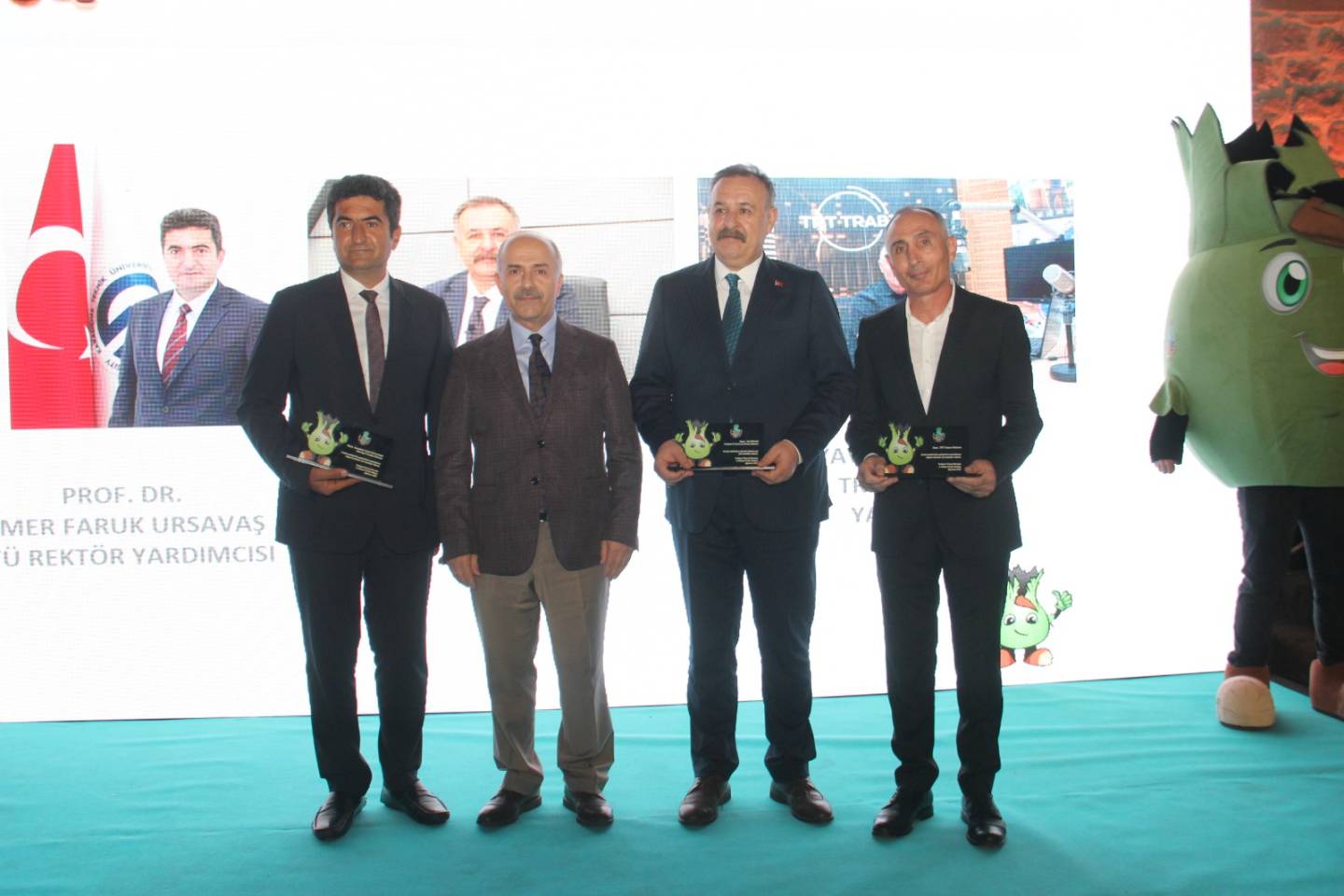
During World Hazelnut Week, held on 11–14 August 2025, our University’s Technology Transfer Application and Research Center received an award in the “Those Adding Value to Hazelnut” category for its projects, academic support, and industry cooperation activities in the field of hazelnut production.
Through these activities, our University supports the development of innovative practices in the agriculture and food sectors, the transfer of scientific knowledge and technology, and regional agricultural development.
This approach demonstrates that scientific knowledge produced at our University does not remain limited to the academic environment, but is shared through institutional mechanisms with regional agricultural production systems, industry representatives, and other local stakeholders.
Evidence:
https://surdurulebilirlik.ktu.edu.tr/tto/haber/ktuye-findiga-deger-katanlar-odulu
Our University’s Educational Approach to Sustainable Agricultural Land Management
When our University’s 2025 activities are considered together, its educational and outreach approach to the sustainable management of agricultural land can be seen to include several complementary dimensions:
In 2025, our University not only conducted academic research on the sustainable management of agricultural land, but also carried out education, information, conferences, public awareness, and knowledge-transfer activities for local and national communities.
In particular, the institutional training role of the Hazelnut and Tea Application and Research Center for farmers, the “Pests in Hazelnut and the Threat of the Brown Marmorated Stink Bug” conference, public information activities on environmentally friendly control of the Brown Marmorated Stink Bug, and the “Agriculture–Forest Relations in Integrated Watershed Management” seminar demonstrate that our University contributes to the sustainability of regional agricultural production systems through scientific knowledge, education, and community outreach.