University–Public Cooperation for the Development of Ecotourism within the Trabzon Provincial Plan
One of our University’s important initiatives in 2025 concerning sustainable tourism and land use was its cooperation within the scope of the Trabzon Provincial Plan. In the Trabzon Provincial Plan studies publicly shared by our University on 1 July 2025, KTU was identified as one of the strategic stakeholders of local development, and the expansion of ecotourism activities was explicitly listed among the areas to which our University would contribute.
Other areas in which KTU is expected to contribute under the Plan include forest management and the conservation of coastal and marine ecosystems. Addressing these areas together with ecotourism demonstrates that tourism activities are considered not only from the perspective of economic development, but also in terms of protecting natural resources and land used for tourism purposes.
The planned cooperation of our University particularly with the Eastern Black Sea Development Agency (DOKA), the Provincial Directorate of Culture and Tourism, the Trabzon Regional Directorate of Forestry, and other public institutions is also important in terms of knowledge sharing and capacity building with local stakeholders in the field of sustainable tourism.
IASON+ Project – Education and Capacity Building for Natural Ecosystems, Local Communities, and Tourism
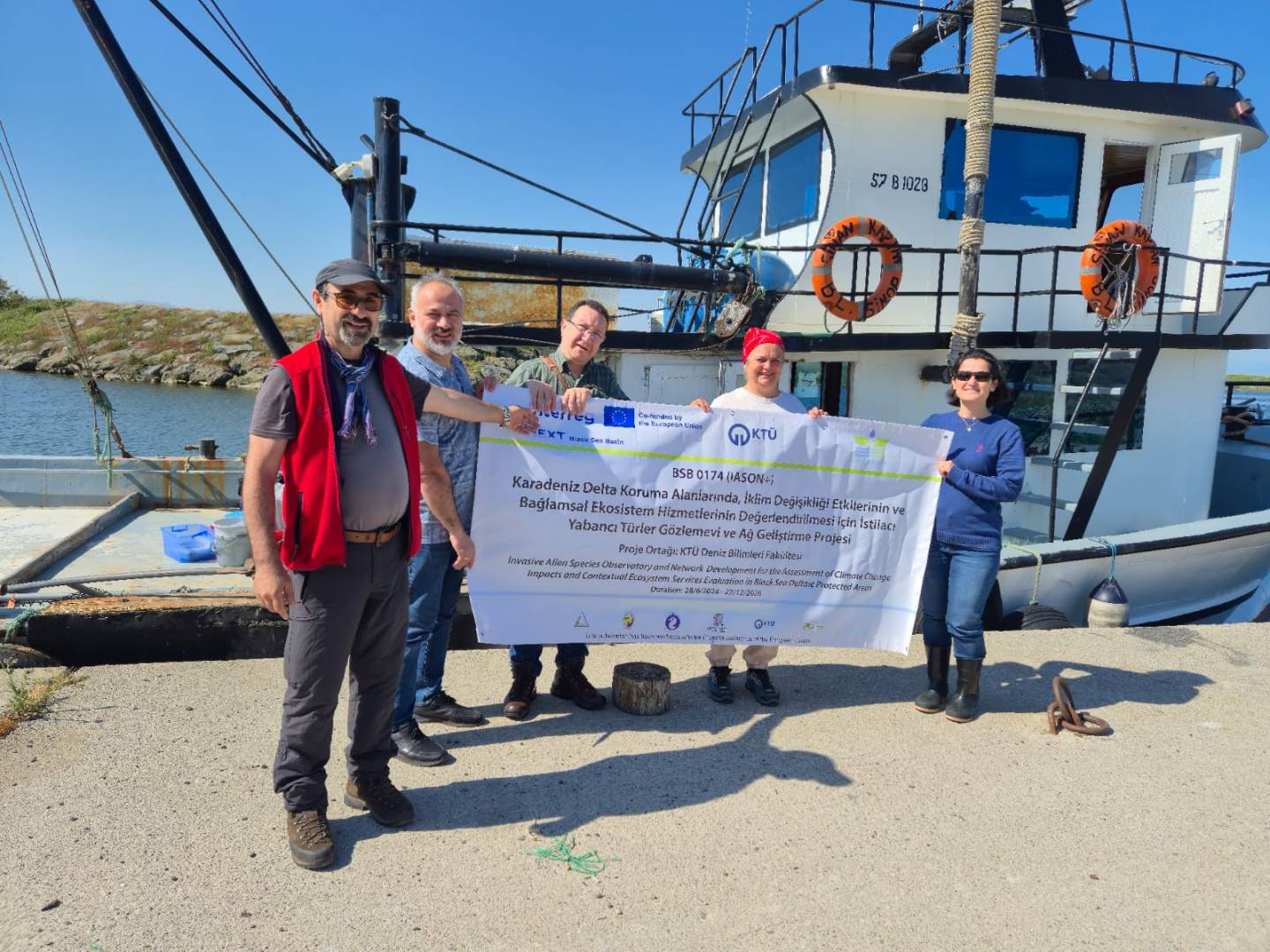
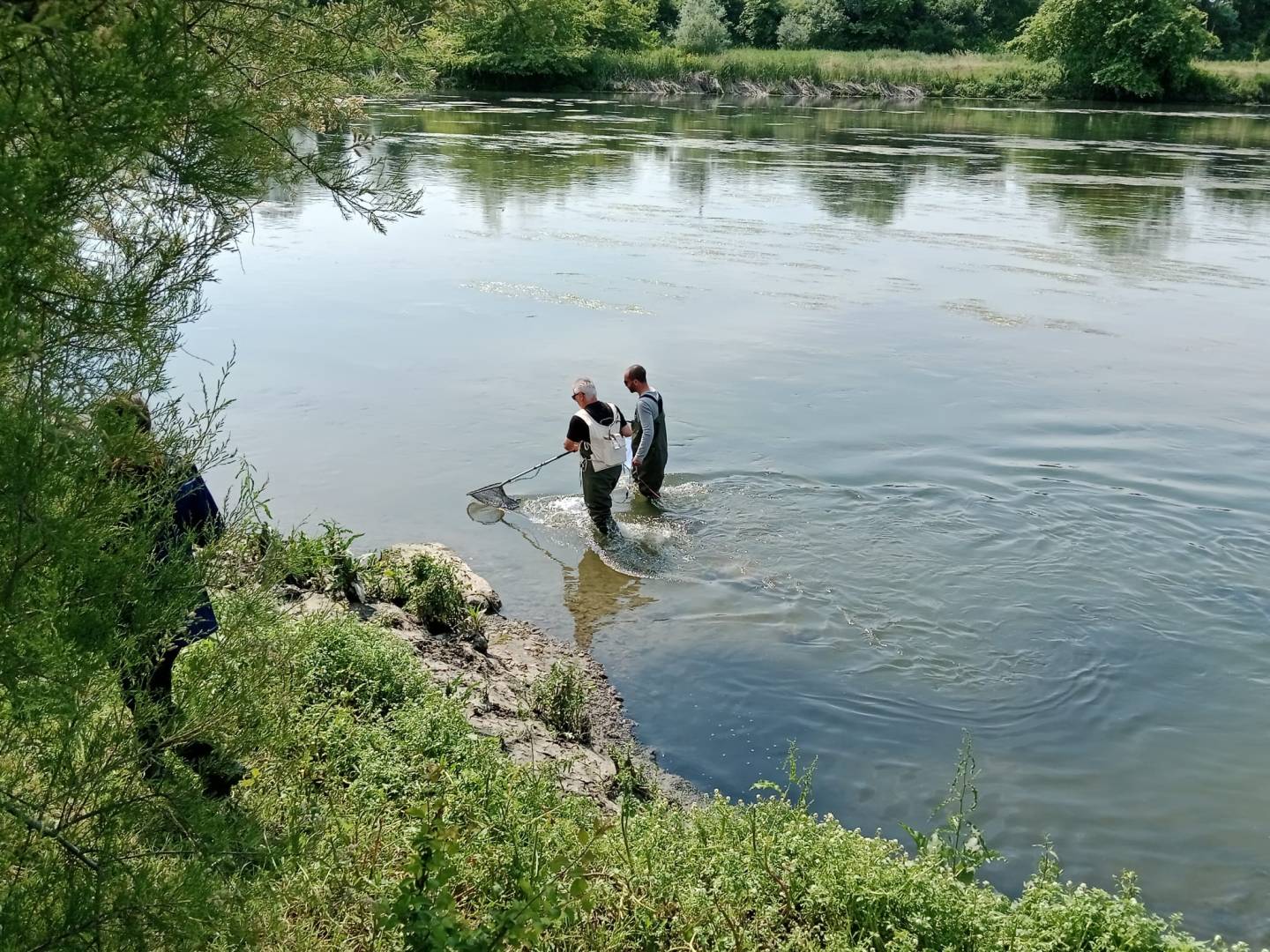
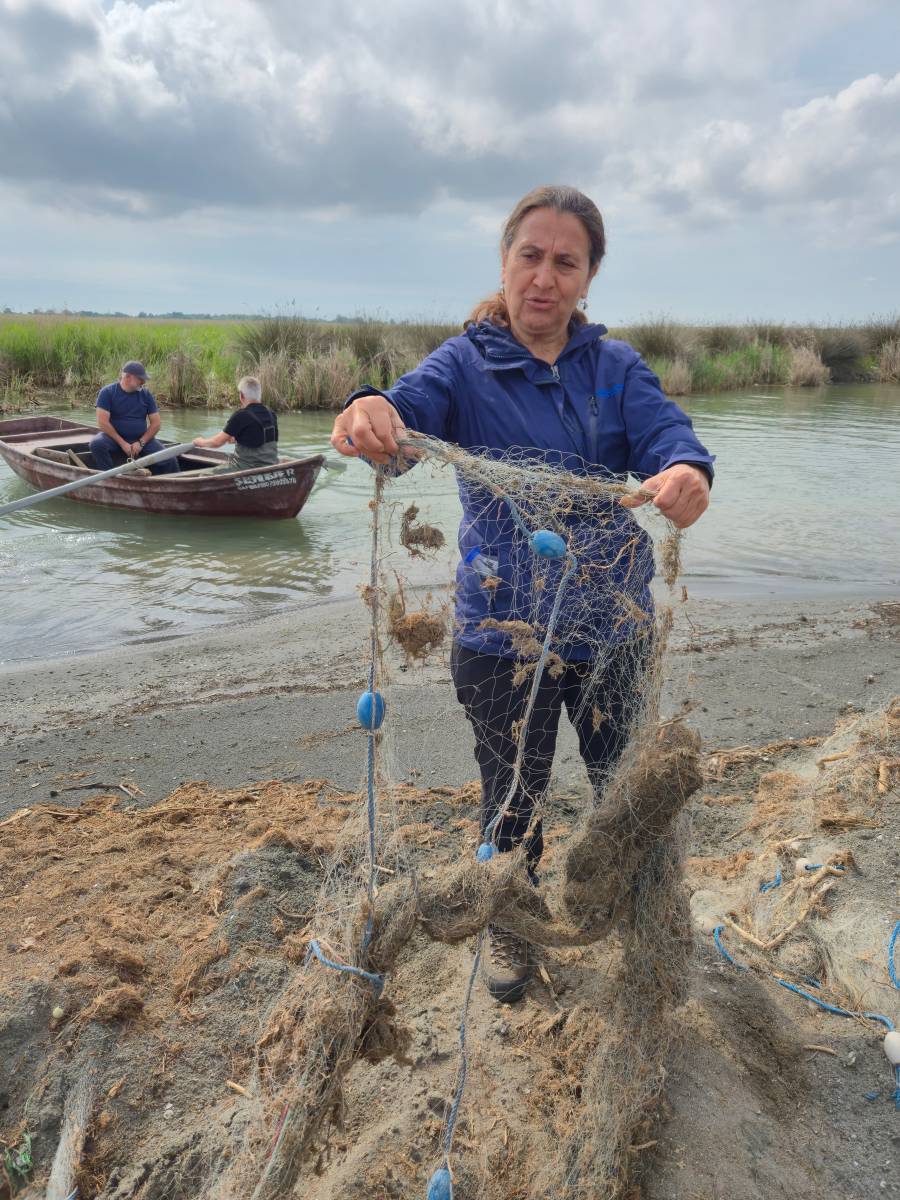
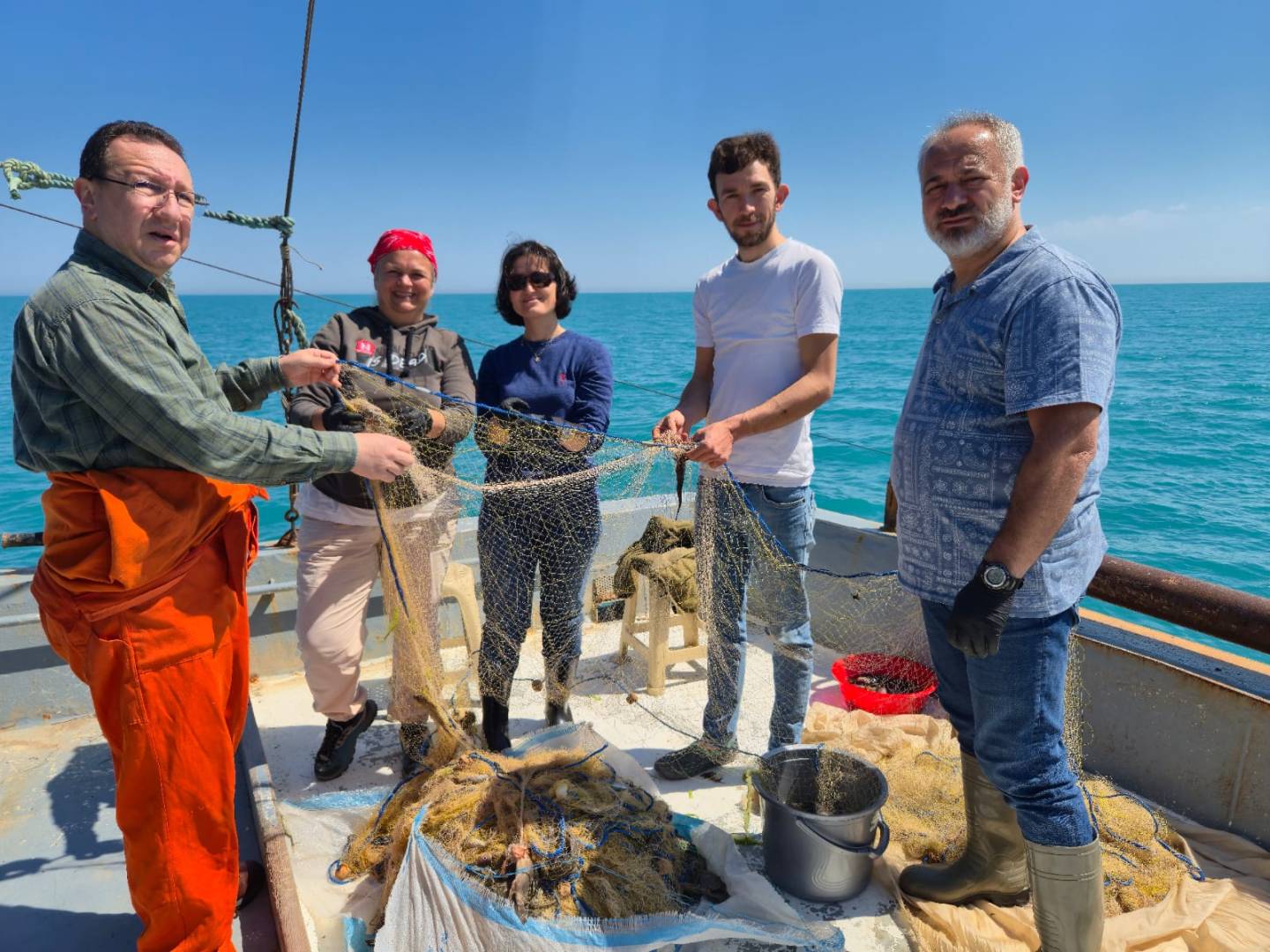
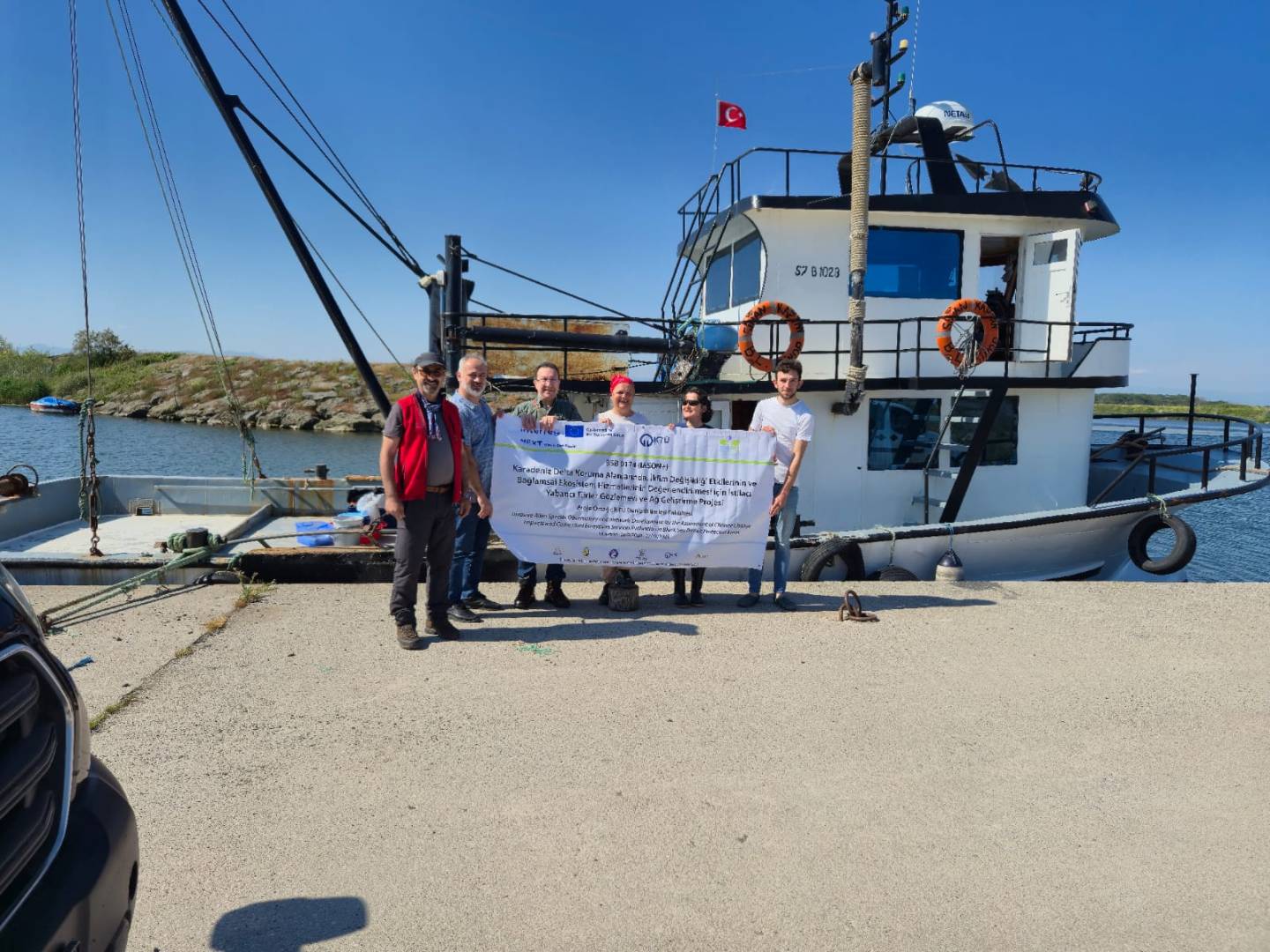
Another important initiative of our University in terms of sustainable tourism is the IASON+ Project, which focuses on the conservation of delta ecosystems in the Black Sea Basin.
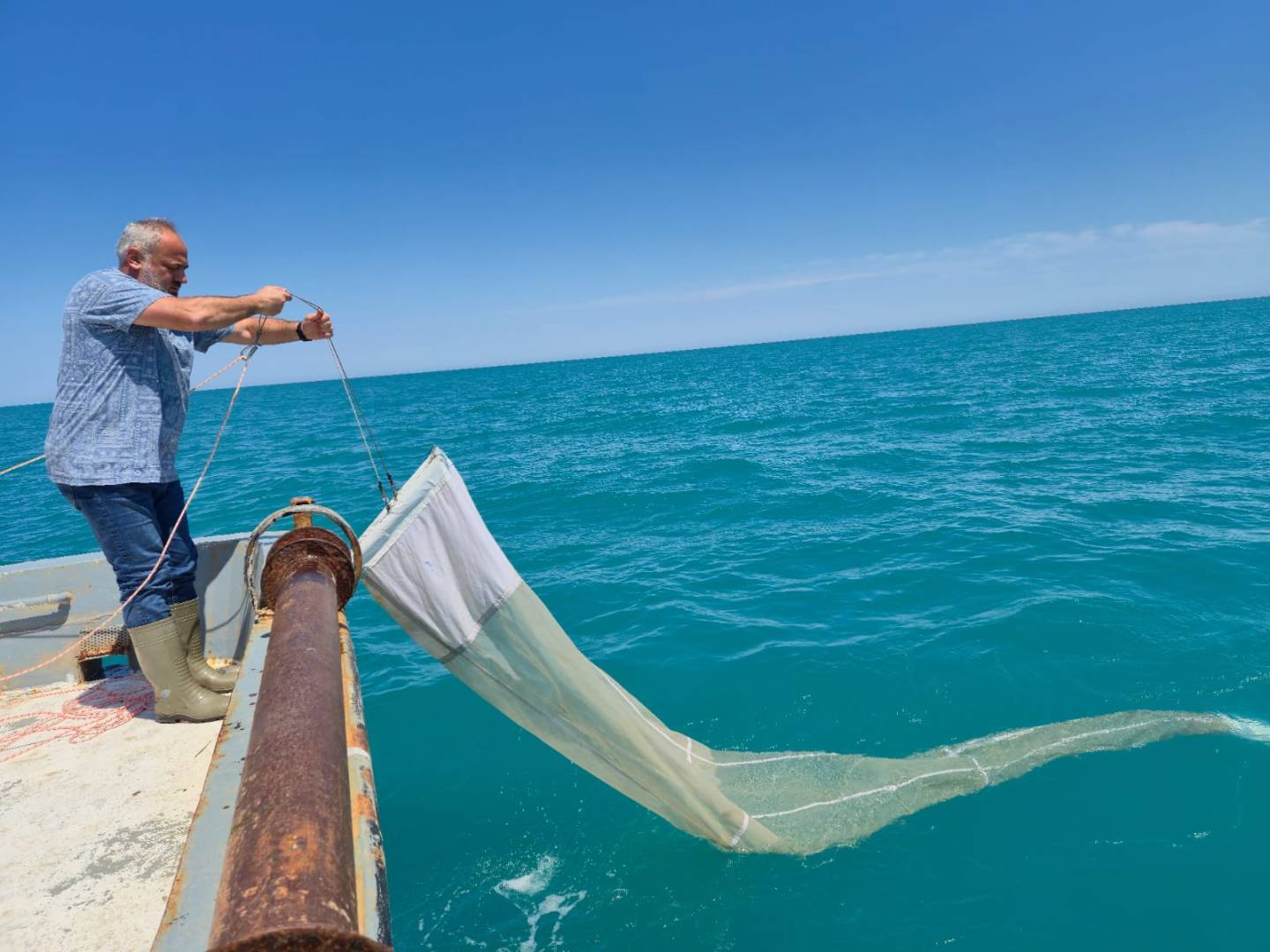
The project, publicly presented in 2025 by our University’s Department of Marine Sciences and Technology Engineering, aims to reduce the impacts of invasive alien species, increase the resilience of delta ecosystems, and ensure the sustainability of the ecosystem services provided by these areas.
One of the main outputs of the project is explicitly defined as the preparation of capacity-building and training programmes. The target groups of these training and capacity-building activities include local communities living in delta regions, institutions responsible for biodiversity conservation, decision-makers, public officials, scientists and researchers, as well as sectors dependent on ecosystem services such as tourism, agriculture, fisheries, and water resources management.
In this respect, the project supports the transfer of knowledge and capacity on the sustainable management of delta, wetland, and coastal ecosystems—which constitute important natural assets for nature-based tourism and ecotourism—to local communities and relevant sectors.
Evidence:
https://www.ktu.edu.tr/denizbiltek/iason
“Rural Architecture: Building Culture Appropriate to Place” – Public Education and Awareness
One of the important aspects of sustainable land use for tourism is the protection of traditional settlement patterns, cultural landscapes, and local architectural characteristics in rural areas.
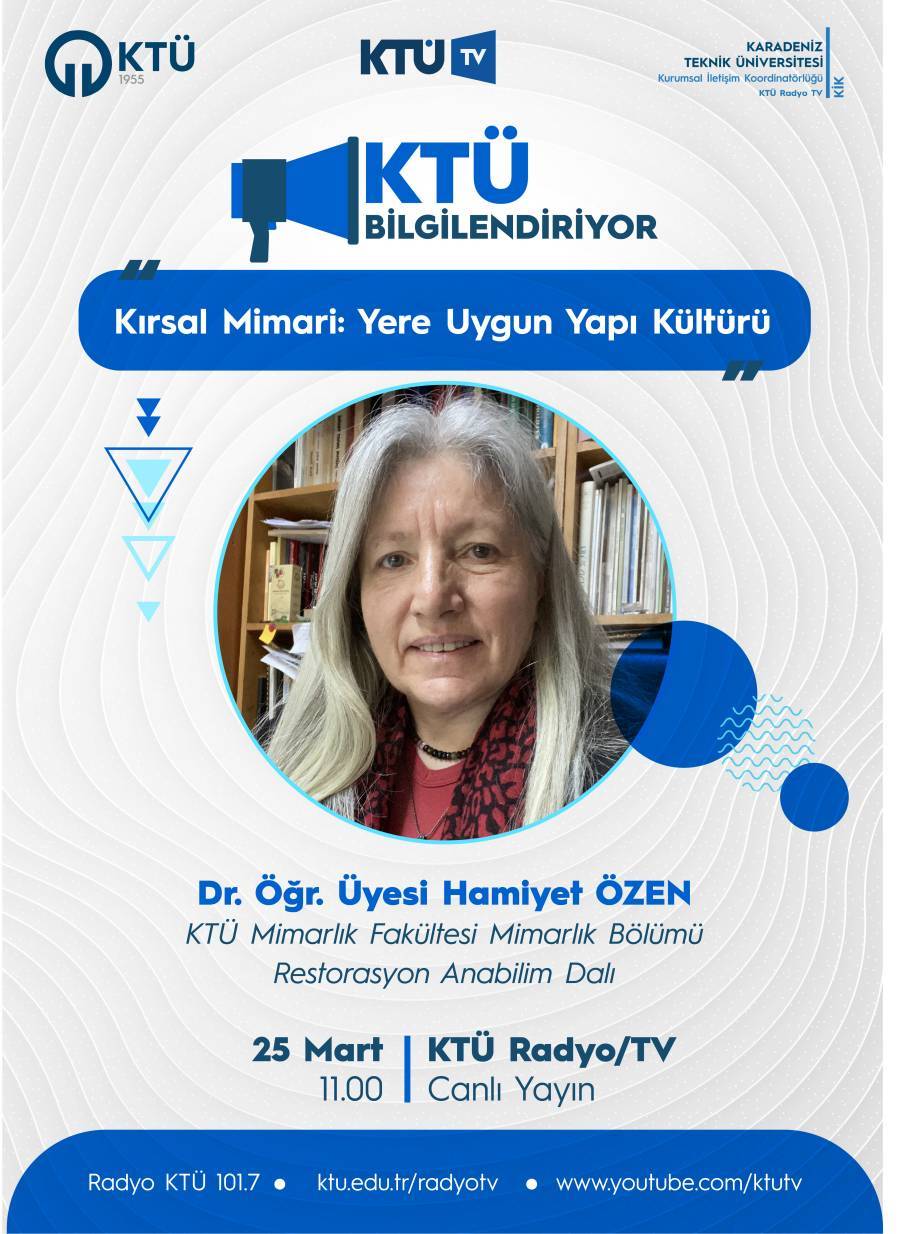
In this context, on 25 March 2025, Asst. Prof. Dr. Hamiyet Özen, a faculty member of our University’s Faculty of Architecture, participated in the KTU Radio/TV programme entitled “Rural Architecture: Building Culture Appropriate to Place.”
Through this publicly accessible broadcast, information on rural architecture, place-specific building culture, and the relationship between the built environment and the geographical characteristics of its location was shared with a broad audience.
Such awareness-raising activities support sustainable tourism land management by promoting public understanding of the importance of conserving traditional settlements, rural landscapes, and place-specific architectural heritage, all of which are valuable assets for rural tourism and ecotourism.
Evidence:
https://www.ktu.edu.tr/radyotv/etkinlik/kirsal-mimari-yere-uygun-yapi-kulturu
Conservation of Natural Areas and the Scientific Basis of Ecotourism
Scientific and public awareness activities conducted by our University’s Faculty of Forestry and related departments on the conservation of natural areas, sustainable forest management, wildlife, biodiversity, and recreation also support the environmental foundations of sustainable tourism.
Nature tourism and ecotourism depend directly on the conservation of forests, mountainous areas, wildlife habitats, wetlands, and other natural landscapes. Therefore, our University’s public education activities on the sustainable management of natural resources also contribute to the sustainability of land used for tourism purposes.
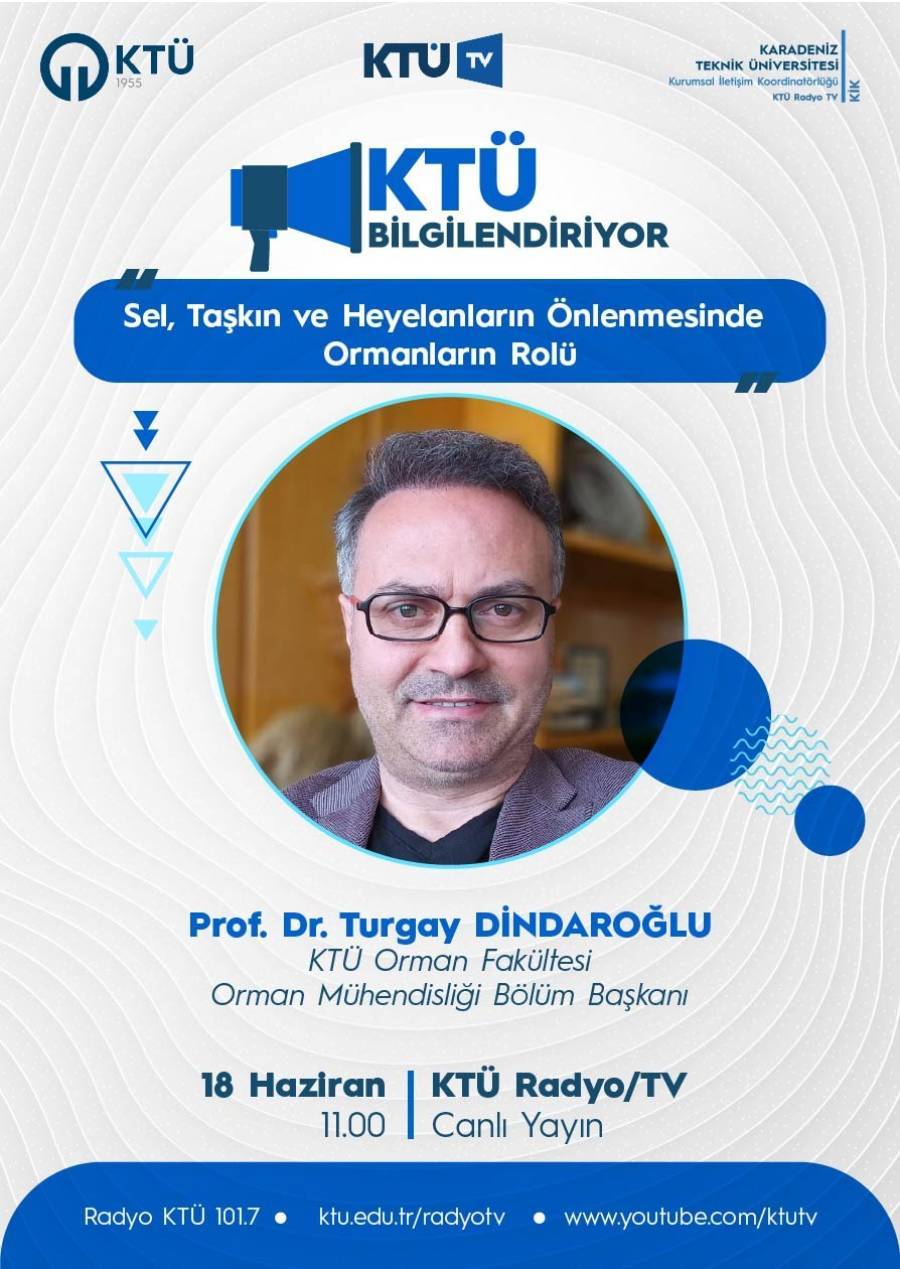
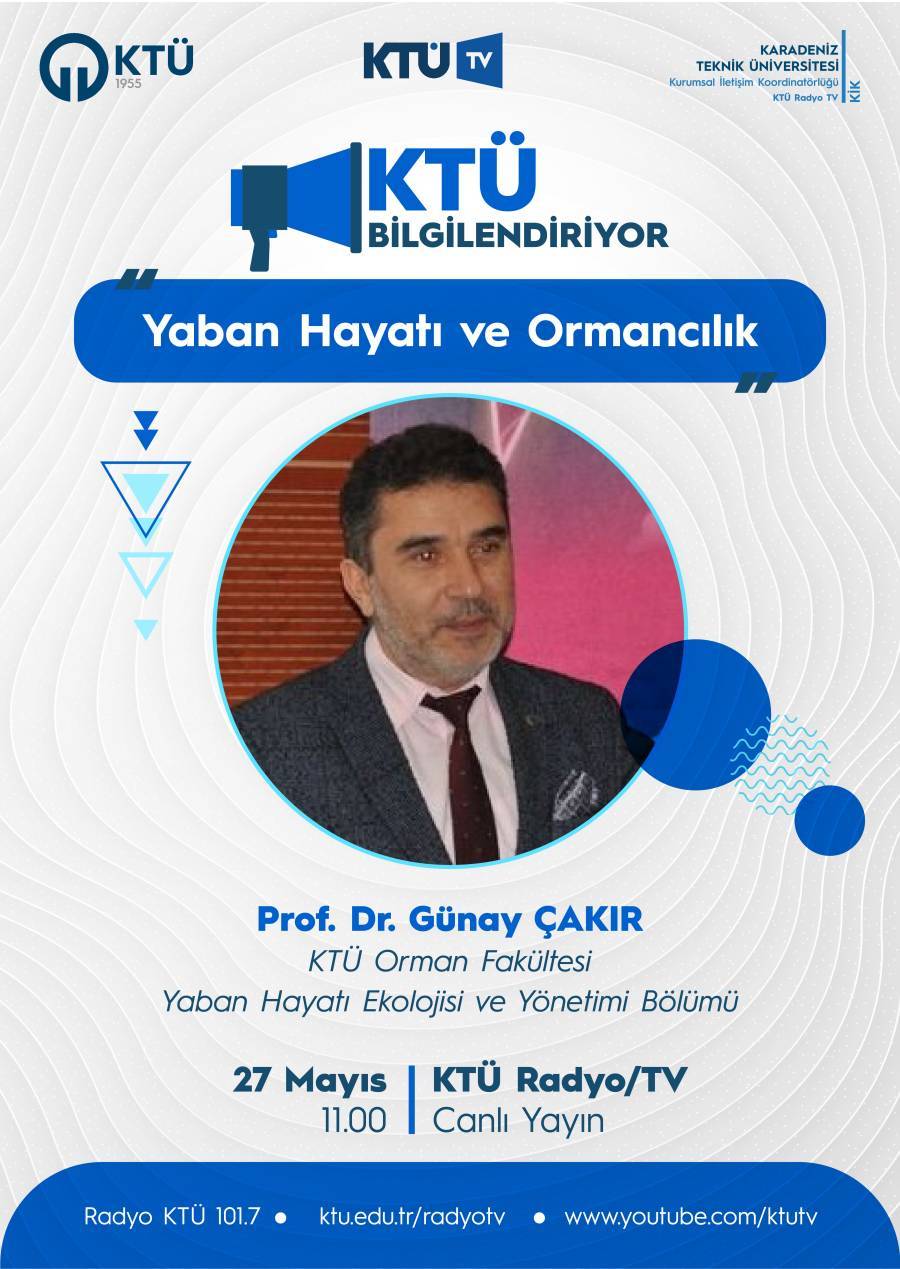
In 2025, the following programmes were broadcast on KTU Radio/TV:
These programmes provide examples of how our University shares its scientific knowledge on the sustainable management of natural areas with the wider community.
Evidence:
https://www.ktu.edu.tr/radyotv/etkinlik/yaban-hayati-ve-ormancilik
https://www.ktu.edu.tr/radyotv/etkinlik/sel-taskin-ve-heyelanlarin-onlenmesinde-ormanlarin-rolu
https://www.ktu.edu.tr/radyotv/etkinlik/orman-ve-su
Our University’s Approach to Sustainable Tourism and Land Management
When our University’s 2025 activities are considered together, its educational and community outreach approach to the sustainable management of land used for tourism or with tourism potential can be seen to consist of several complementary elements:
In 2025, our University did not limit its approach to the sustainable management of land for tourism to academic research alone. It also supported this approach through education, information sharing, capacity building, and community outreach activities targeting local communities, public institutions, relevant sectors, and wider society.
In particular, university–public cooperation for the development of ecotourism within the Trabzon Provincial Plan, training and capacity-building activities for local communities and ecosystem-service-dependent sectors, including tourism, within the IASON+ Project, publicly accessible educational broadcasts such as “Rural Architecture: Building Culture Appropriate to Place,” and activities aimed at conserving natural and cultural heritage demonstrate that our University addresses sustainable tourism and land management through an integrated approach.