Our University conducts direct research, technology development, and field-based applications aimed at protecting marine and coastal ecosystems, reducing environmental pressures arising from marine and fisheries activities, detecting and removing lost and abandoned fishing gear, monitoring and mapping the seabed, enabling early detection of invasive species, and monitoring ecosystem health.
These activities are carried out particularly by our University’s Sürmene Faculty of Marine Sciences, Department of Marine Sciences and Technology Engineering, and Department of Fisheries Technology Engineering, in cooperation with fishers, the fisheries sector, public institutions, local authorities, technology companies, and international project partners.
BlackNETs Project: Technology-Assisted Ghost Net Detection and Ecosystem Protection
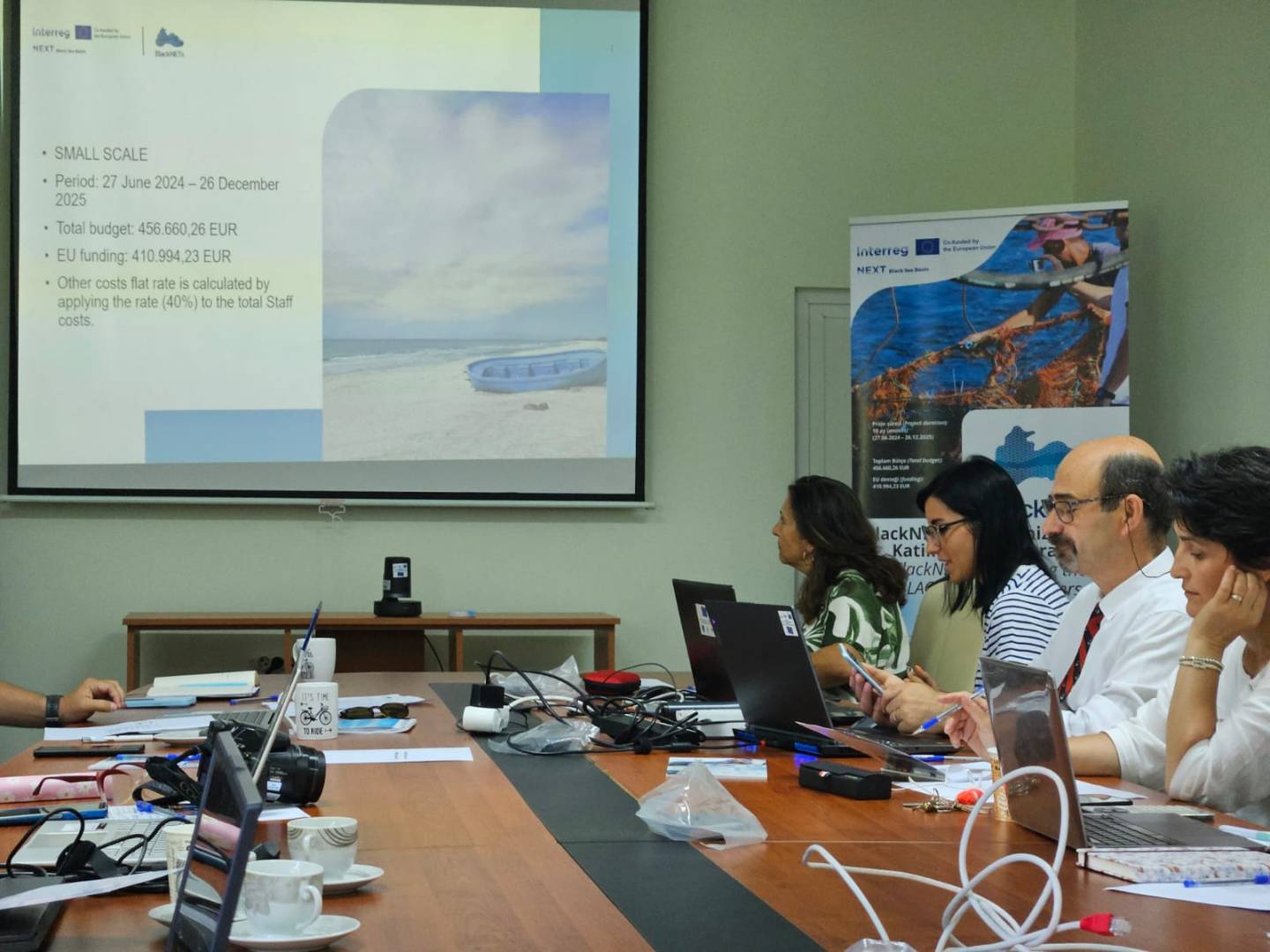
One of our University’s strongest direct technology applications in 2025 was carried out within the scope of the BlackNETs Project.
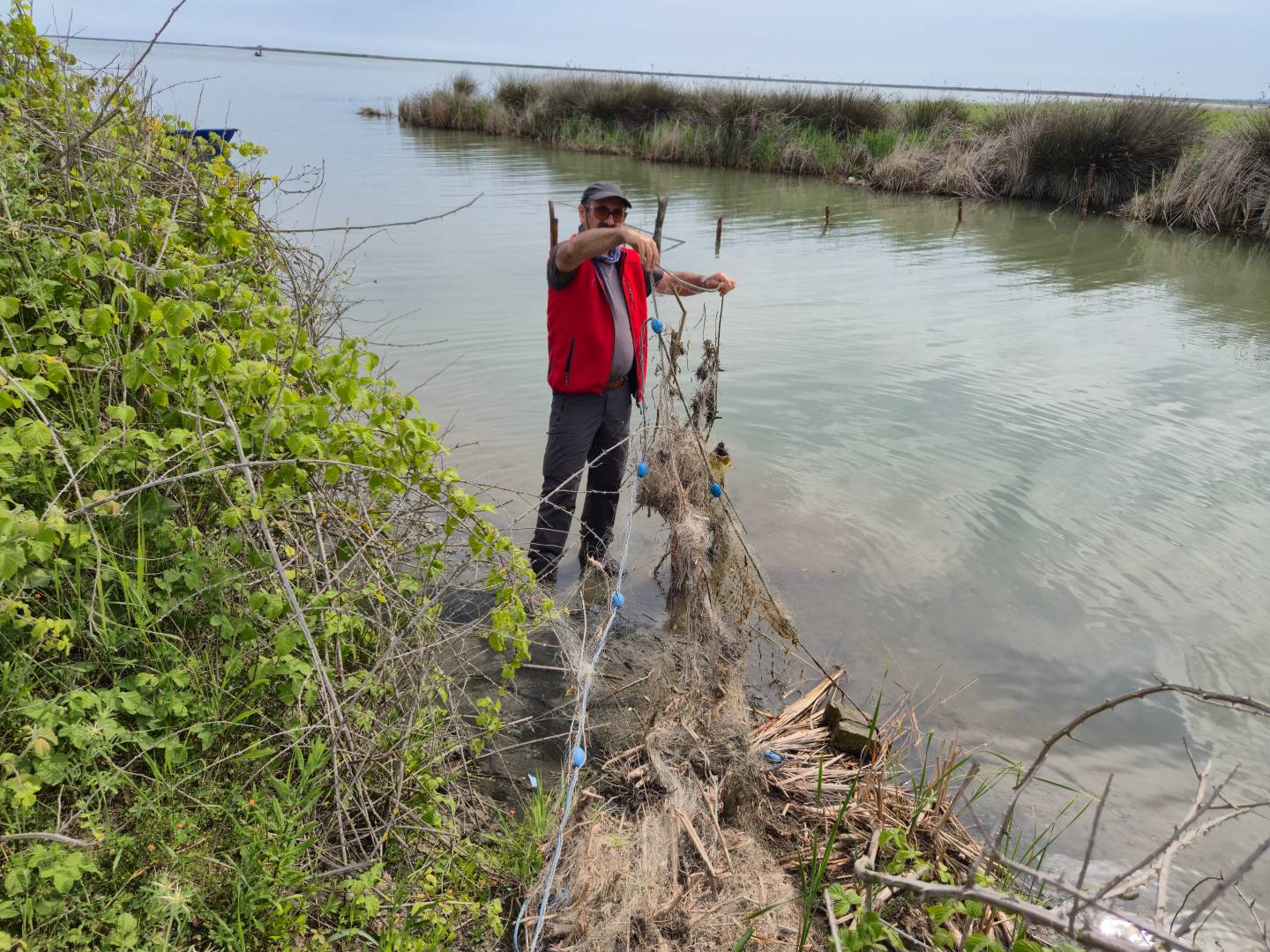
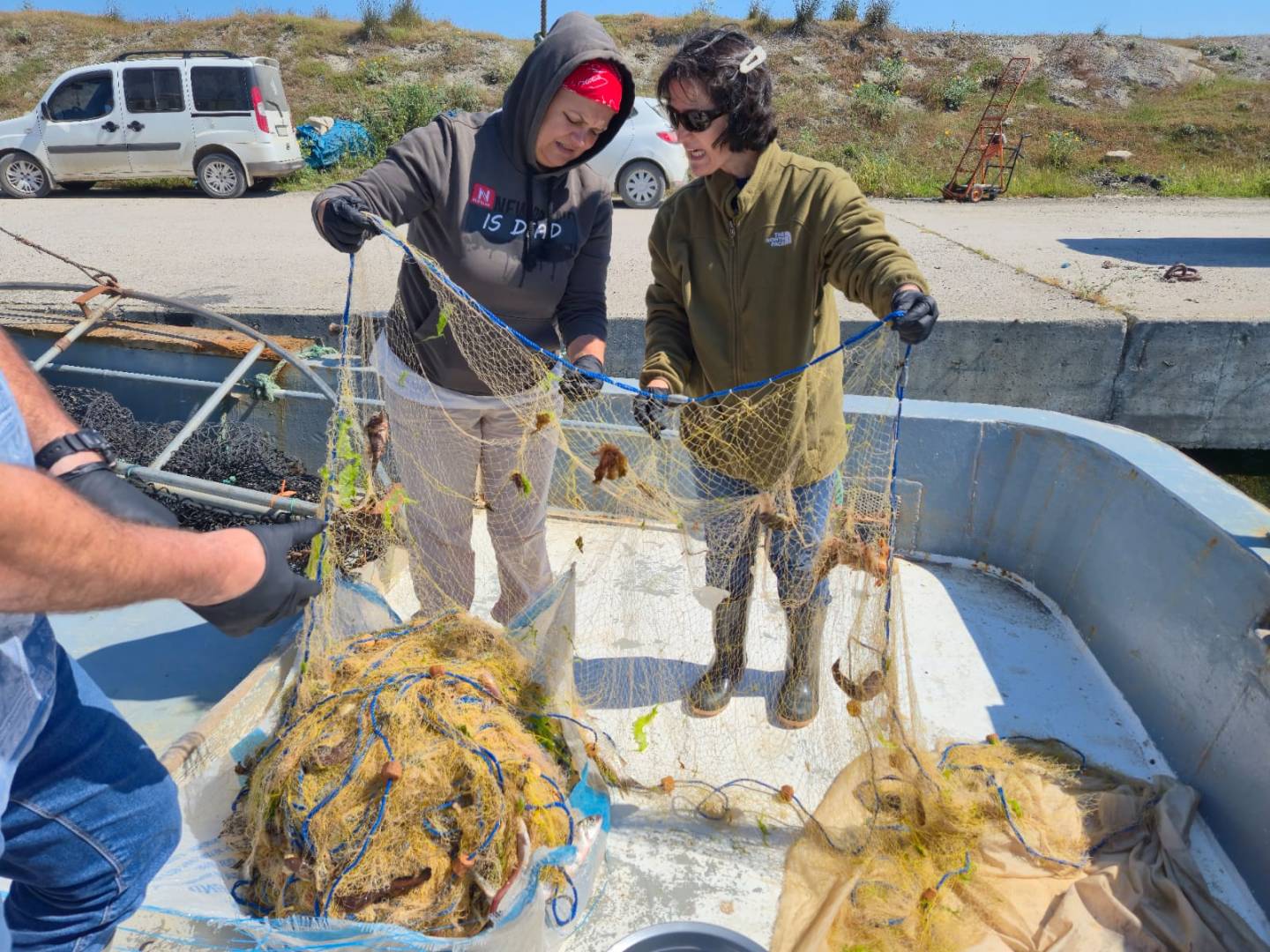
BlackNETs aims to identify and reduce the impacts of Abandoned, Lost or Otherwise Discarded Fishing Gear (ALDFG) on the Black Sea ecosystem.
Within the project, the following activities are undertaken:
Therefore, the project goes beyond environmental awareness and represents a direct initiative that develops and applies technologies and practices to reduce the impacts of fisheries activities on aquatic ecosystems.
Evidence:
https://www.ktu.edu.tr/denizbiltek/blacknets
Seabed Mapping and Ghost Net Detection Using ROV Technology
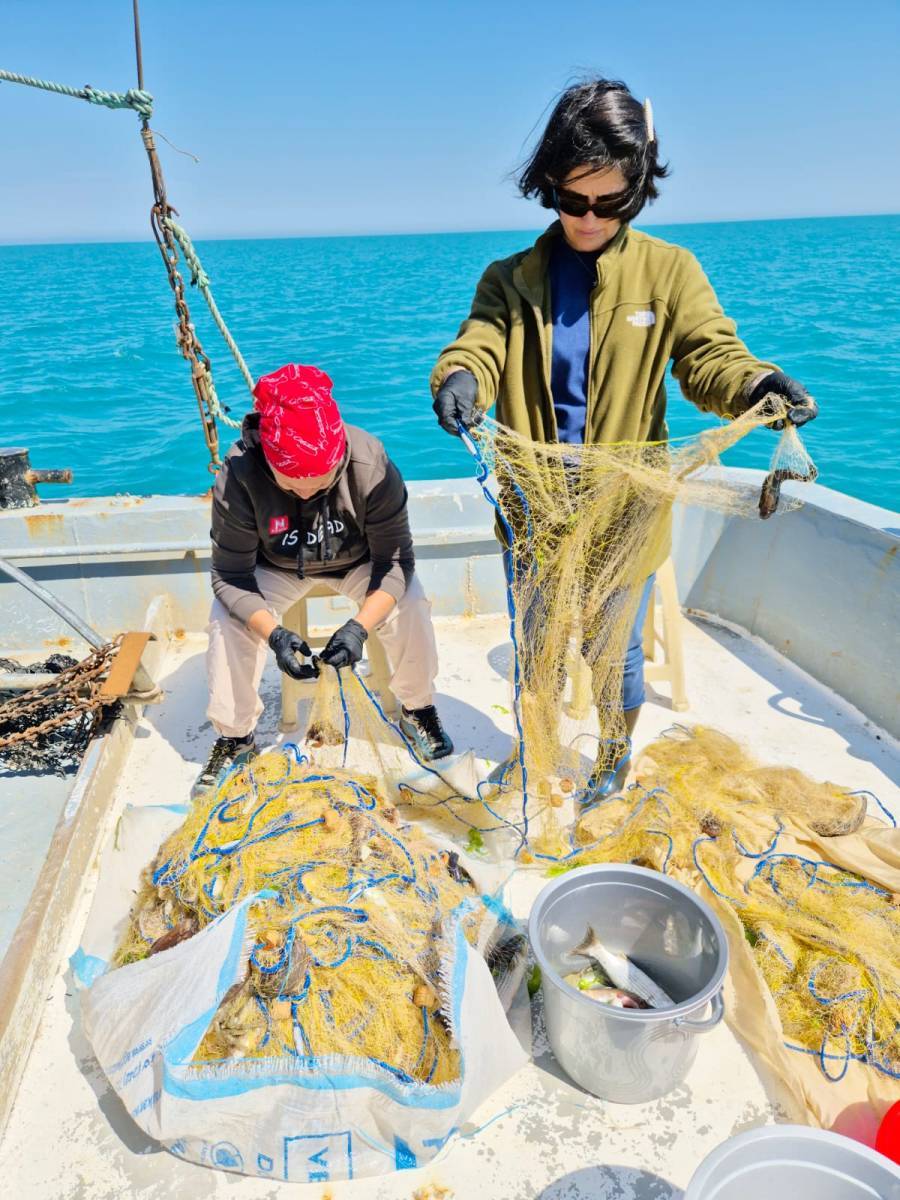
On 20 May 2025, our University carried out a technology-assisted ghost-net removal operation within the BlackNETs Project to protect sensitive benthic ecosystems.
A Remotely Operated Vehicle (ROV) developed by Degz was used during the operation. Through the ROV:
This operation demonstrates how our University combines technological innovation with direct environmental conservation practice. KTÜ’s official communication also emphasised that the operation integrated technological innovation with applied conservation activities and that regular mapping and clean-up operations are necessary for ecosystem recovery.
Evidence:
https://www.ktu.edu.tr/baltekmuh/haber/blacknets-projesi-ile-ag-temizleme-operasyonu
Supporting Evidence:
https://www.ktu.edu.tr/deniz/haber/fakultemiz-arastirma-teknesi-ktu-r-v-yakamoz-ile-karadenizde-hayalet-ag-temizligi-gerceklestirildi-0
Technology-Assisted Fieldwork Using the KTÜ R/V Yakamoz Research Vessel
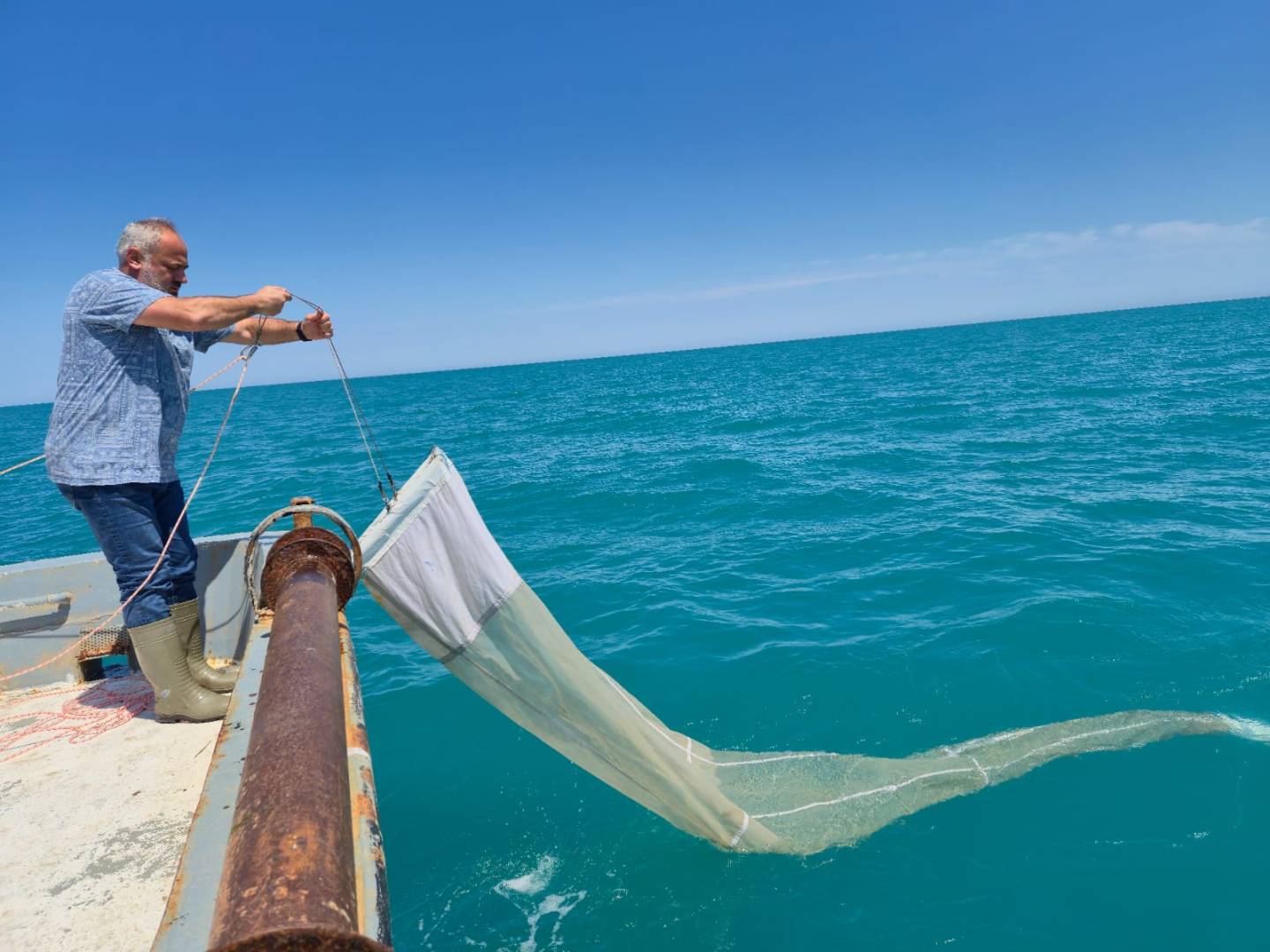
The KTÜ R/V Yakamoz research vessel, owned by our University, was actively used during the 2025 ghost-net operation.
The ROV system was deployed from the research vessel, and the University’s research infrastructure was used to examine the seabed and identify ghost nets.
This approach demonstrates that our University does not conduct only theoretical research, but applies an integrated field methodology combining:
This integrated approach is directly aimed at protecting aquatic ecosystems.
Cooperation with the Marine and Fisheries Sector
A core component of the BlackNETs Project is direct cooperation with the fisheries sector and relevant public institutions.
Through activities conducted with fishers and other sector stakeholders:
The official BlackNETs project description explicitly states that the project aims to encourage behavioural change among fisheries-related stakeholders, minimise fishing-gear loss, and promote voluntary collection of ghost nets through the dissemination of good practices.
Evidence:
https://www.ktu.edu.tr/denizbiltek/blacknets
BlackNETs Results: Tangible Environmental Impact of Technology and Practice
During the 18-month implementation period of the BlackNETs Project, completed at the end of 2025, a total of 9,344.9 kg of fishing gear was removed from the Black Sea, and areas with high concentrations of fishing nets were mapped.
These activities directly contribute to:
The project therefore demonstrates that technology-based monitoring and detection methods can be translated into tangible ecosystem improvement actions.
Evidence:
https://www.ktu.edu.tr/denizbiltek/haber/blacknets-projesi-aralik-2025-basin-bulteni
Advanced Technologies and Best Practices for Ghost Net Detection
The technical approach developed within BlackNETs extends beyond ROV technology and includes a broader framework of technologies and good practices.
Project outputs highlight methods such as:
Technical recommendations and best practices have also been developed to prevent and reduce fishing-gear loss.
This approach is based on an integrated model of prevention + detection + intervention + sector participation, designed to minimise the impacts of fisheries activities on marine ecosystems.
Evidence:
https://www.ktu.edu.tr/denizbiltek/blacknets
IASON+ Project: Invasive Species Monitoring and Early-Warning Technologies
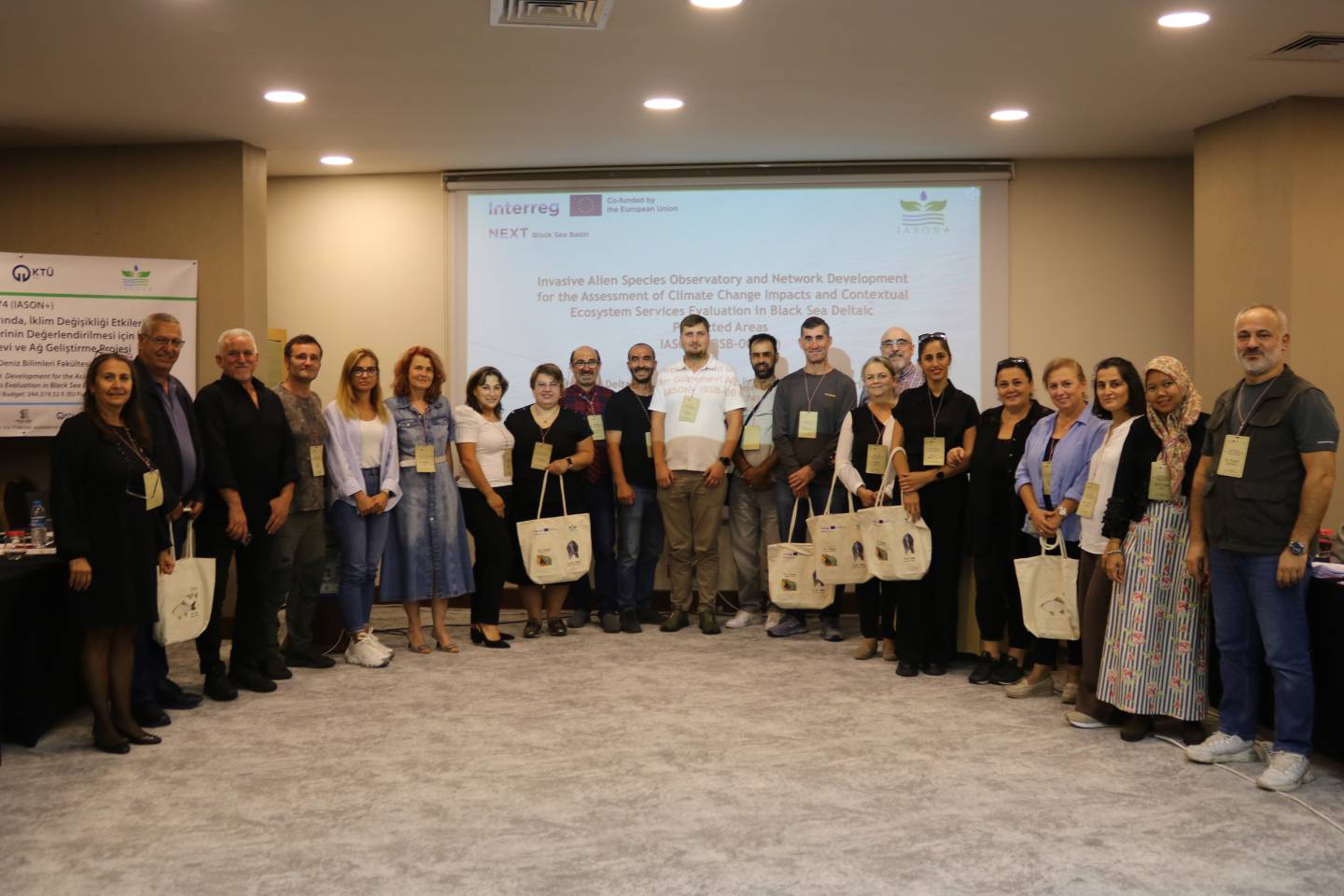
Another important example of our University’s direct technology-related work to prevent damage to aquatic ecosystems is the IASON+ Project.
The project investigates the impacts of Invasive Alien Species (IAS) on ecosystem services in delta ecosystems across the Black Sea Basin and develops management solutions to reduce those impacts.
One of the principal outputs of IASON+ is explicitly defined as the establishment of an “IAS Monitoring and Warning System.” The project also develops integrated management strategies and action plans.
The system is intended to support the early detection of invasive species and identify their potential impacts on sensitive delta ecosystems before those impacts become more severe.
Evidence:
https://www.ktu.edu.tr/denizbiltek/iason
Direct Monitoring and Data Collection in the Kızılırmak Delta
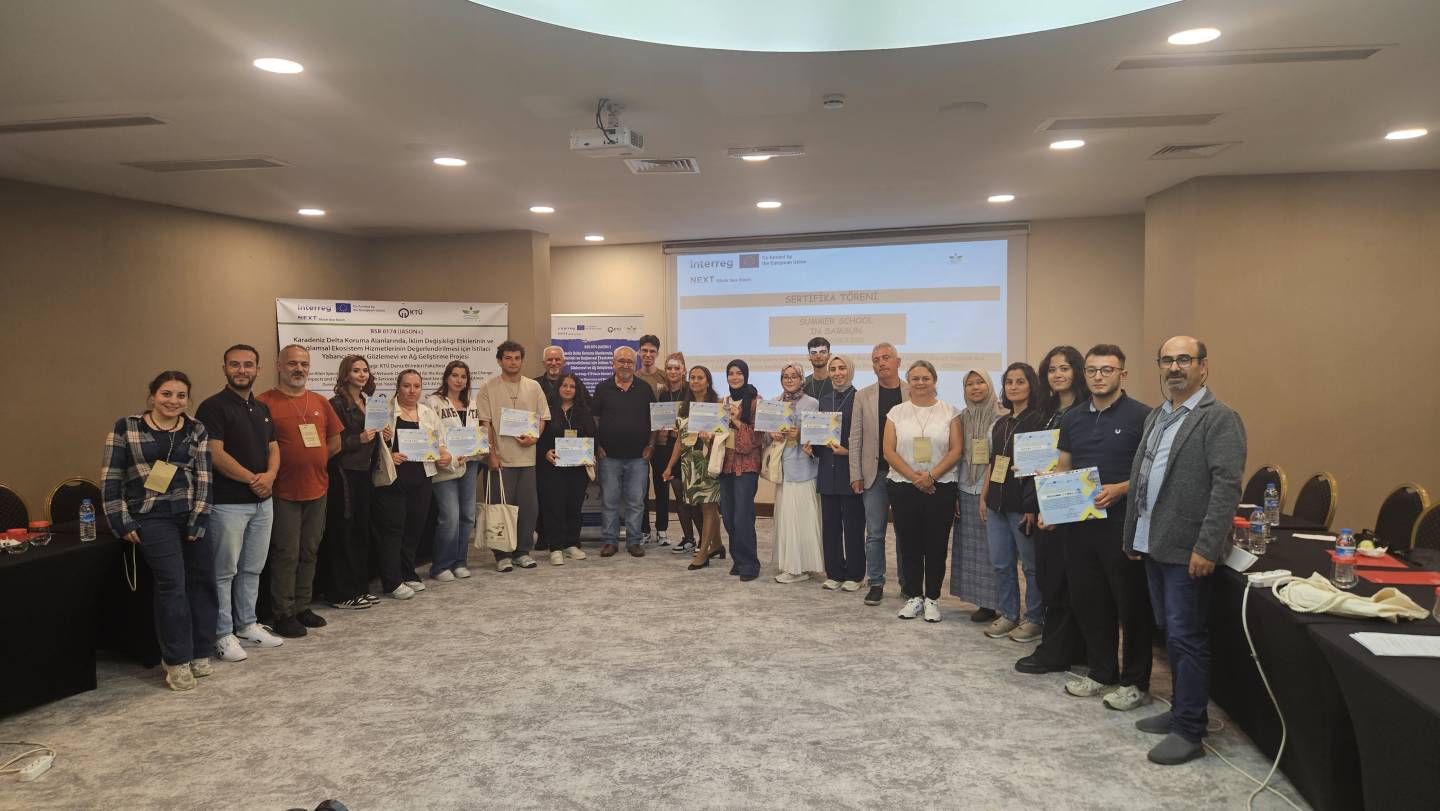
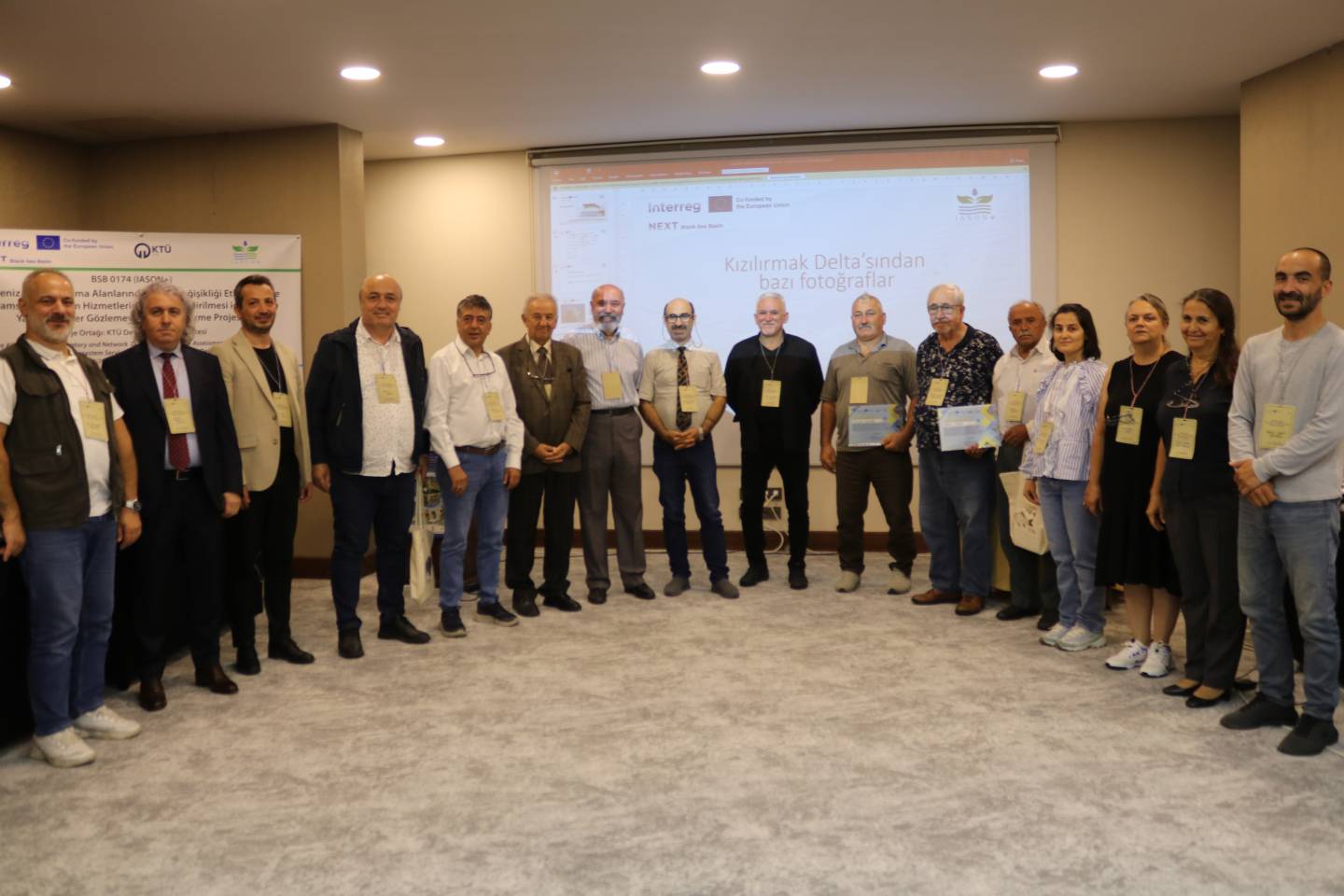
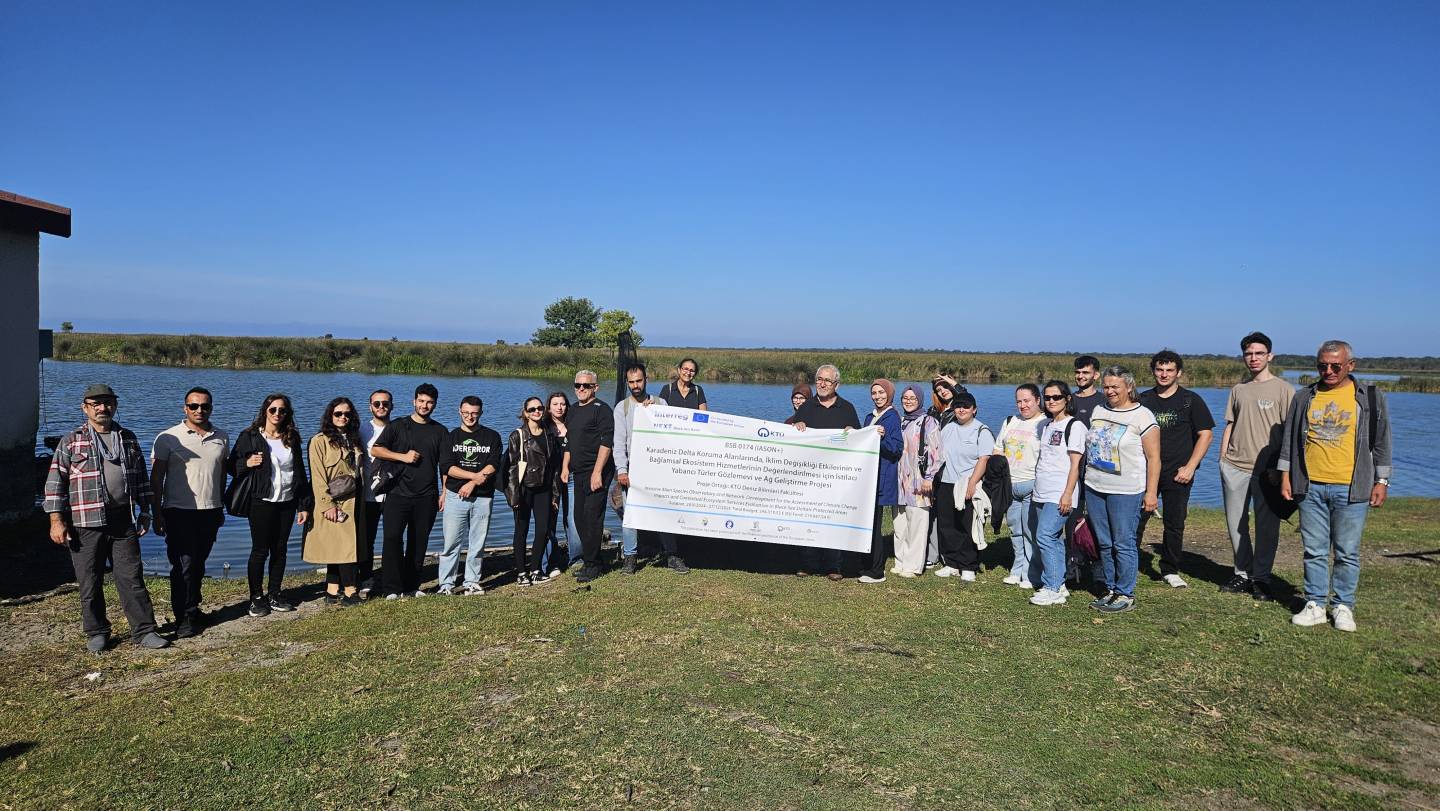
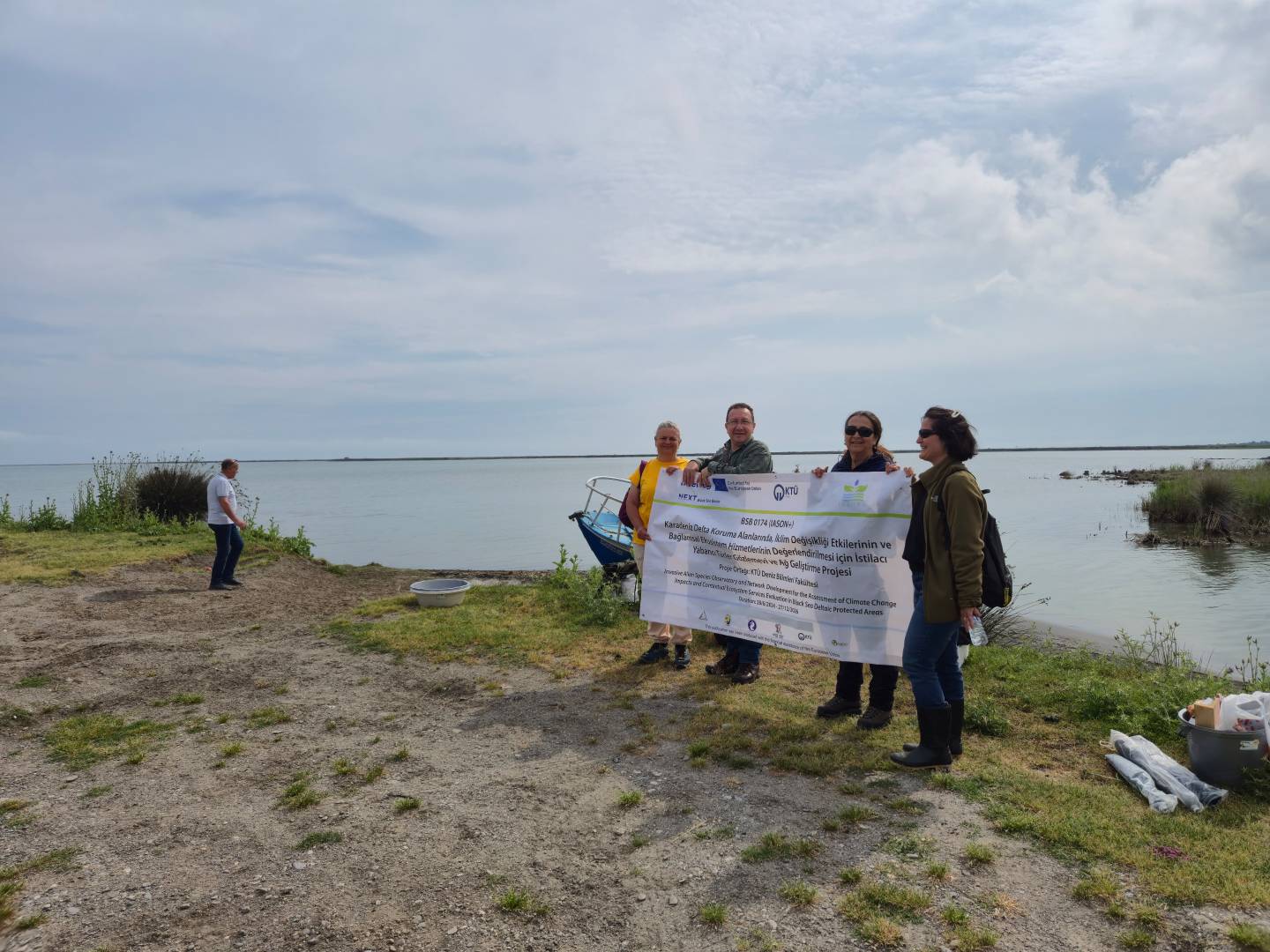
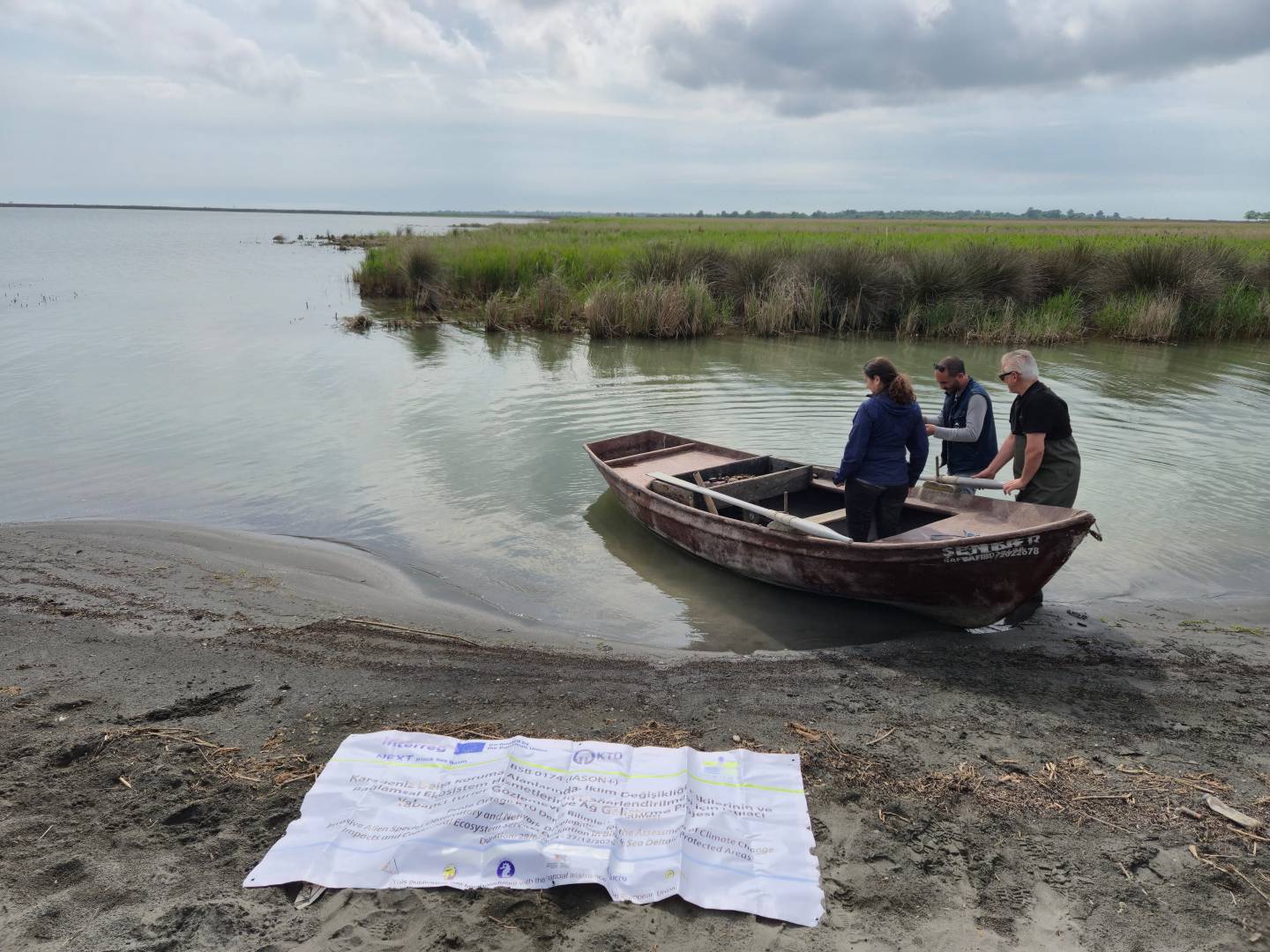
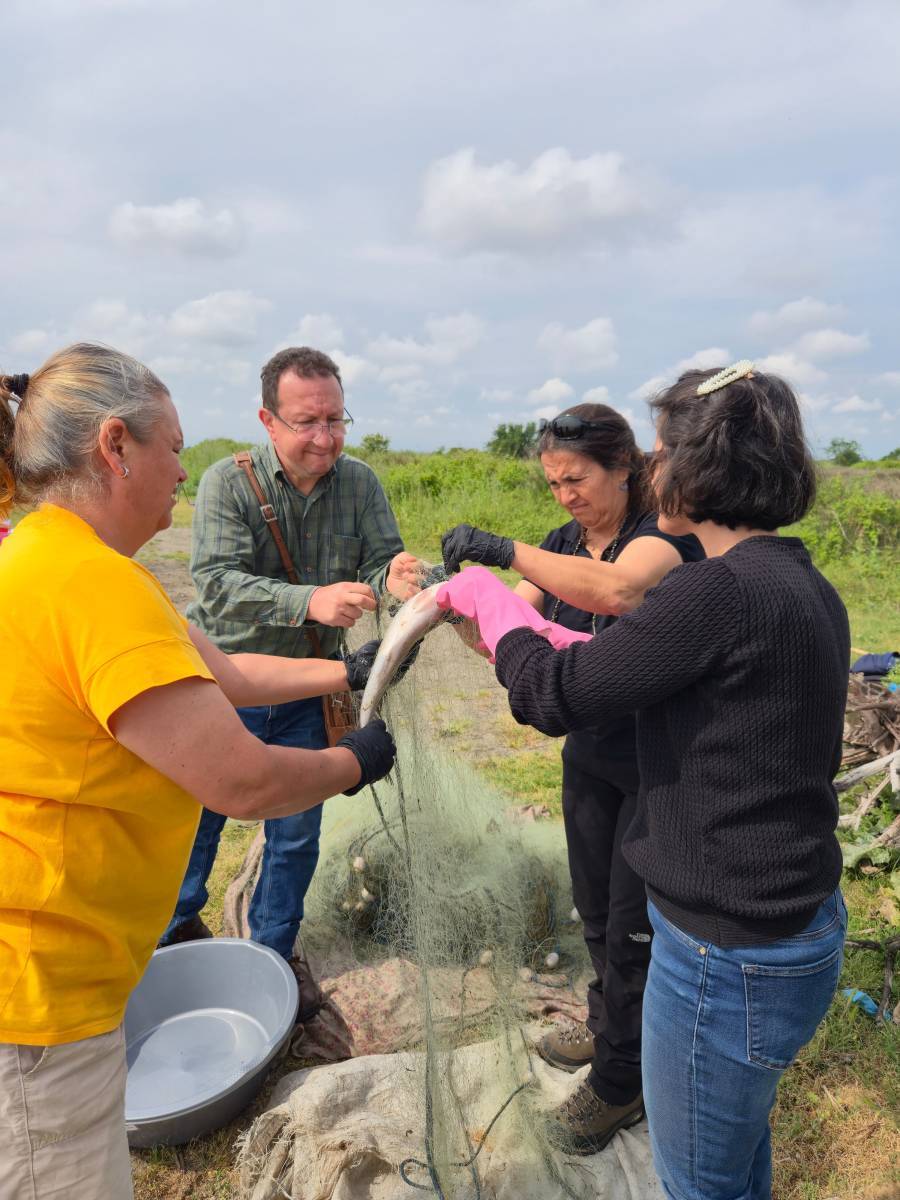
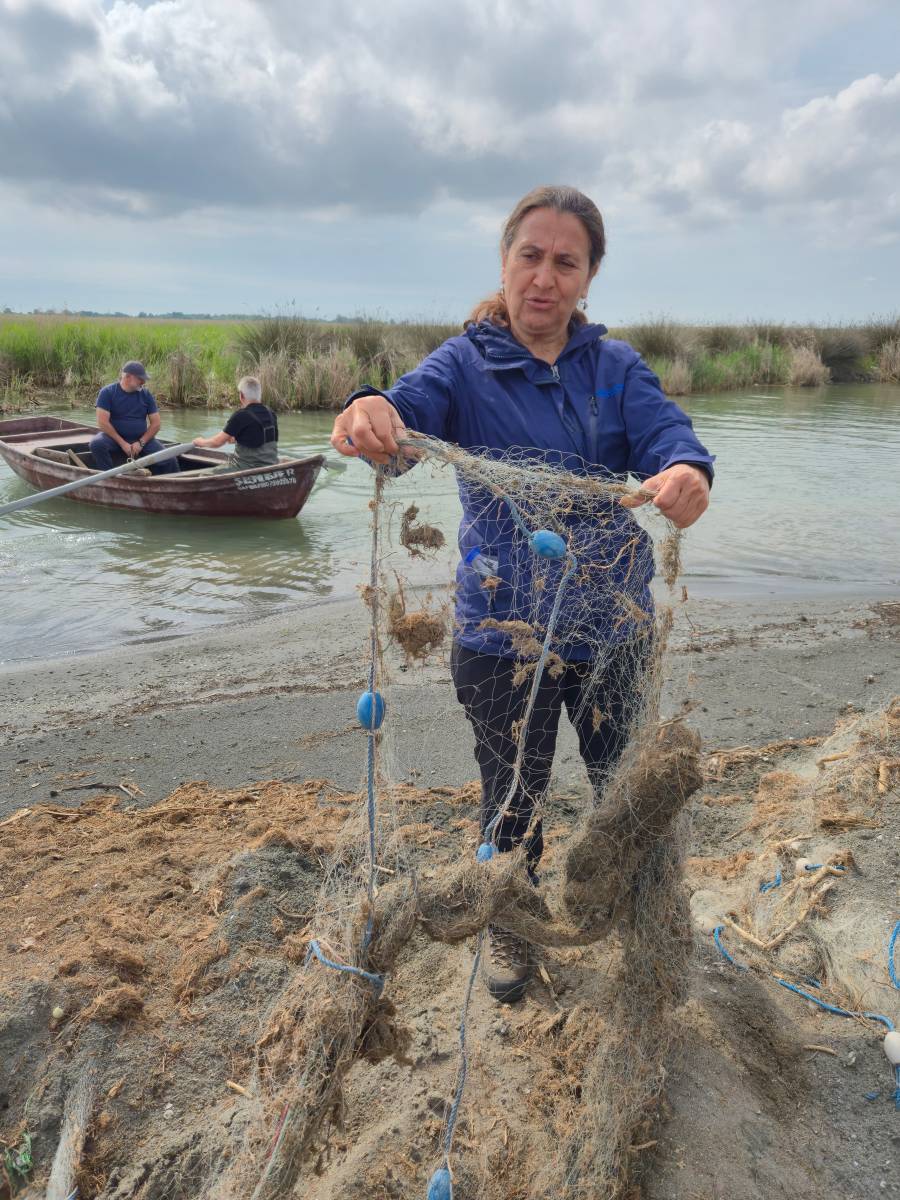
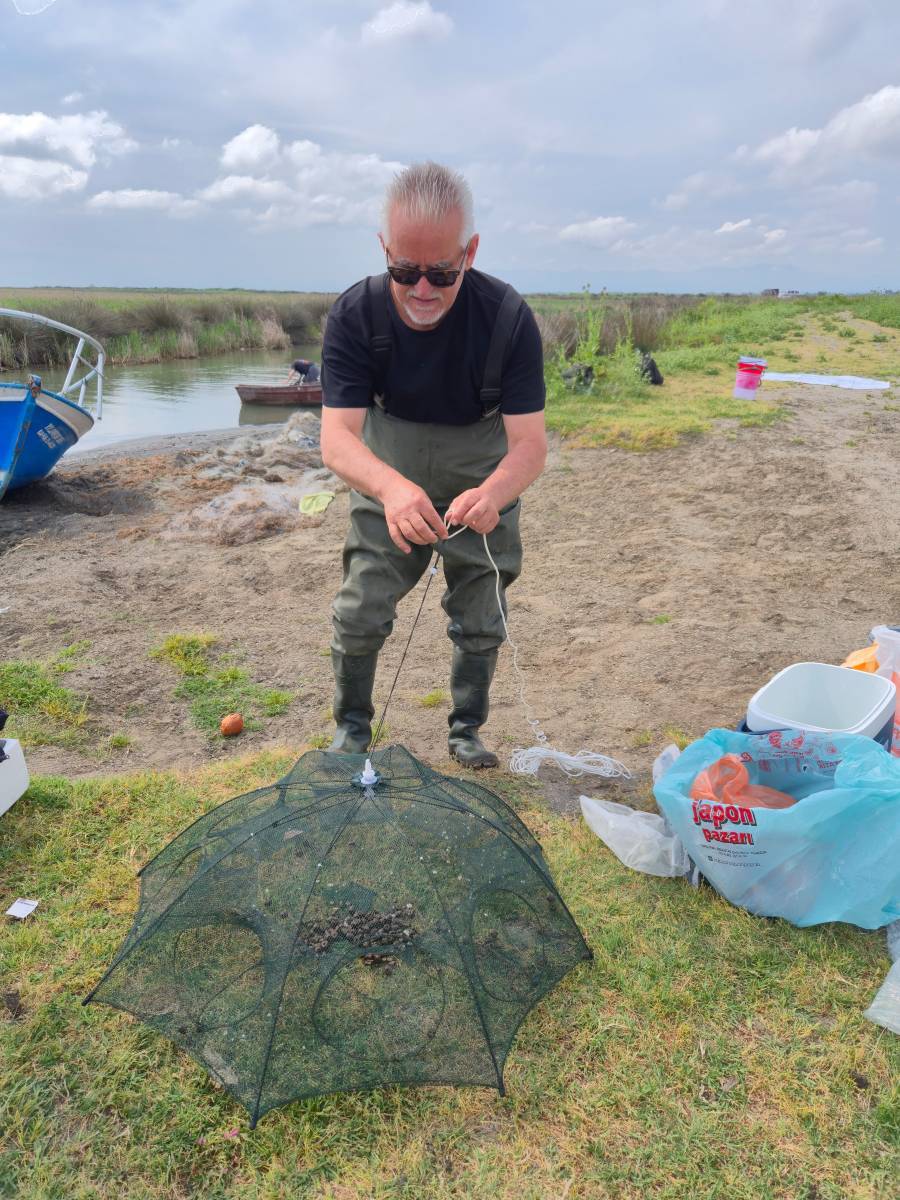
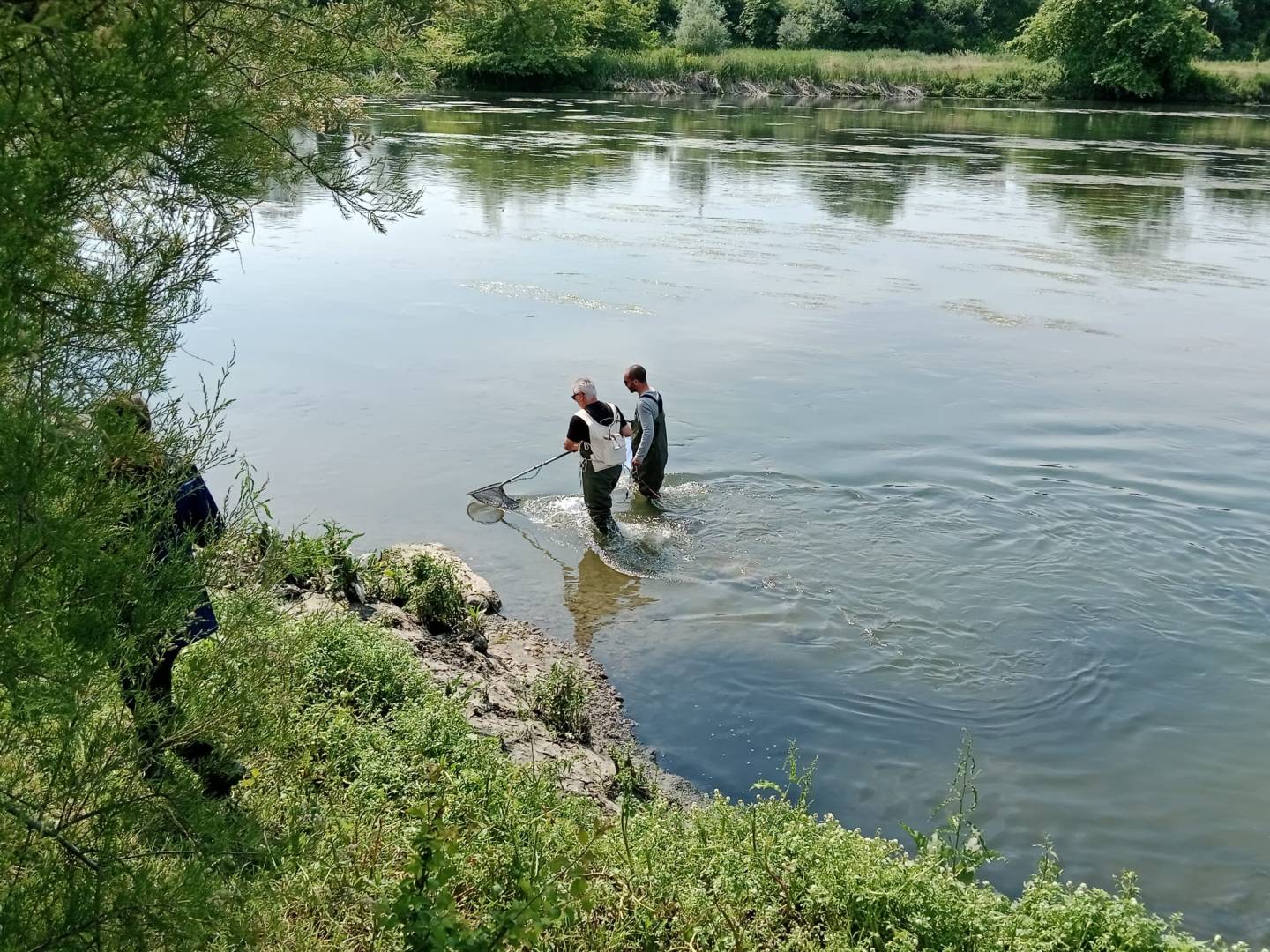
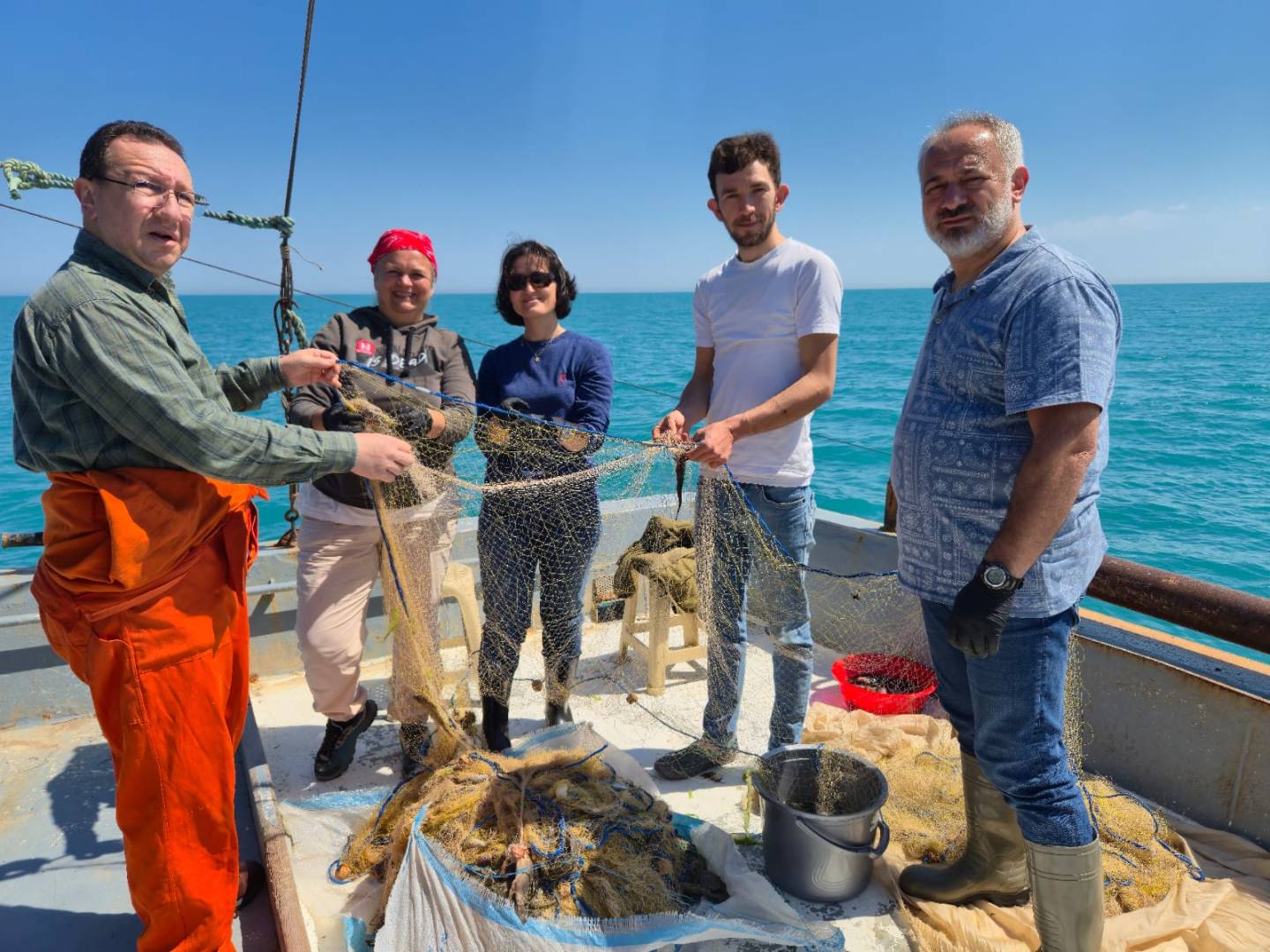
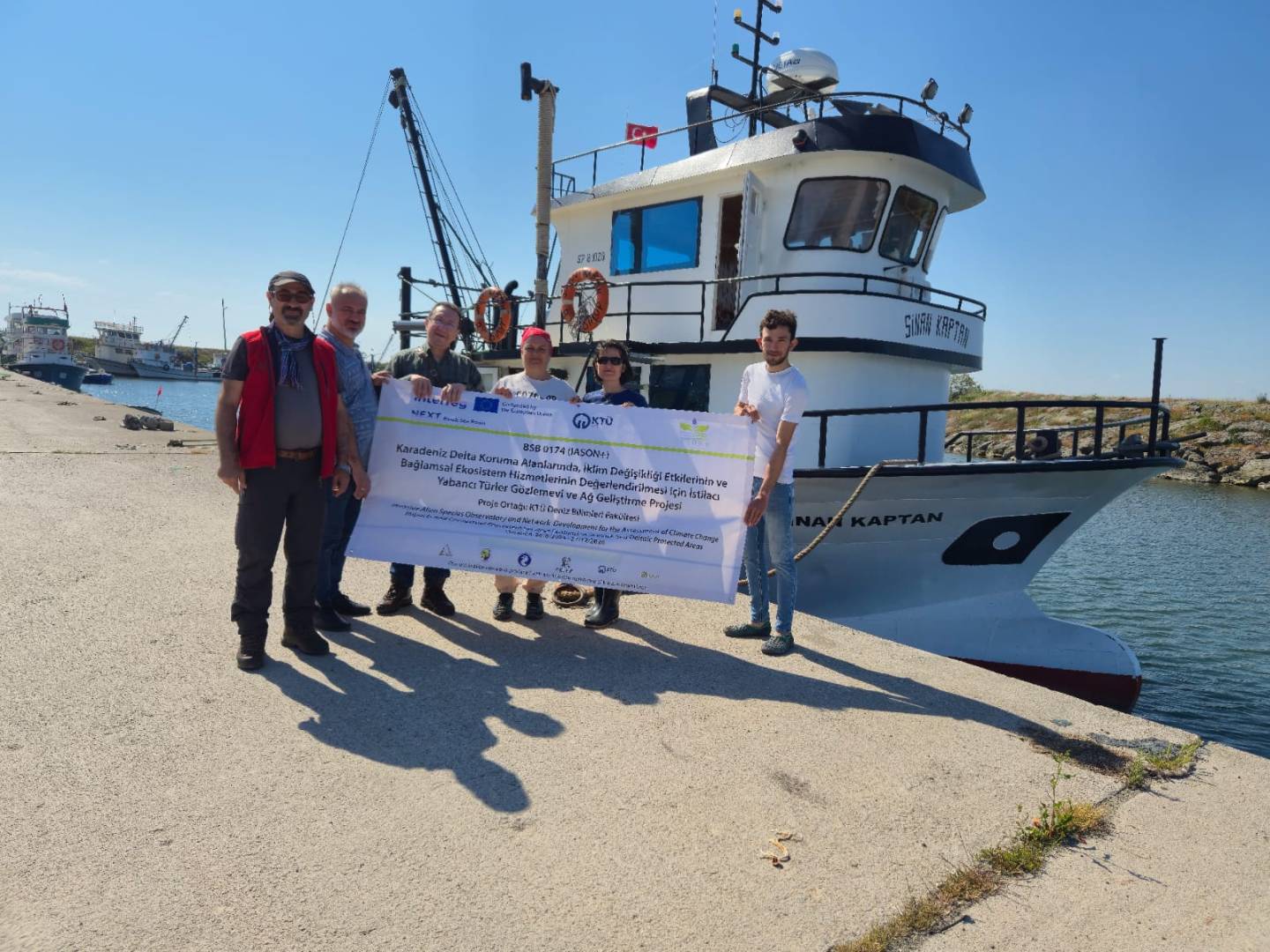
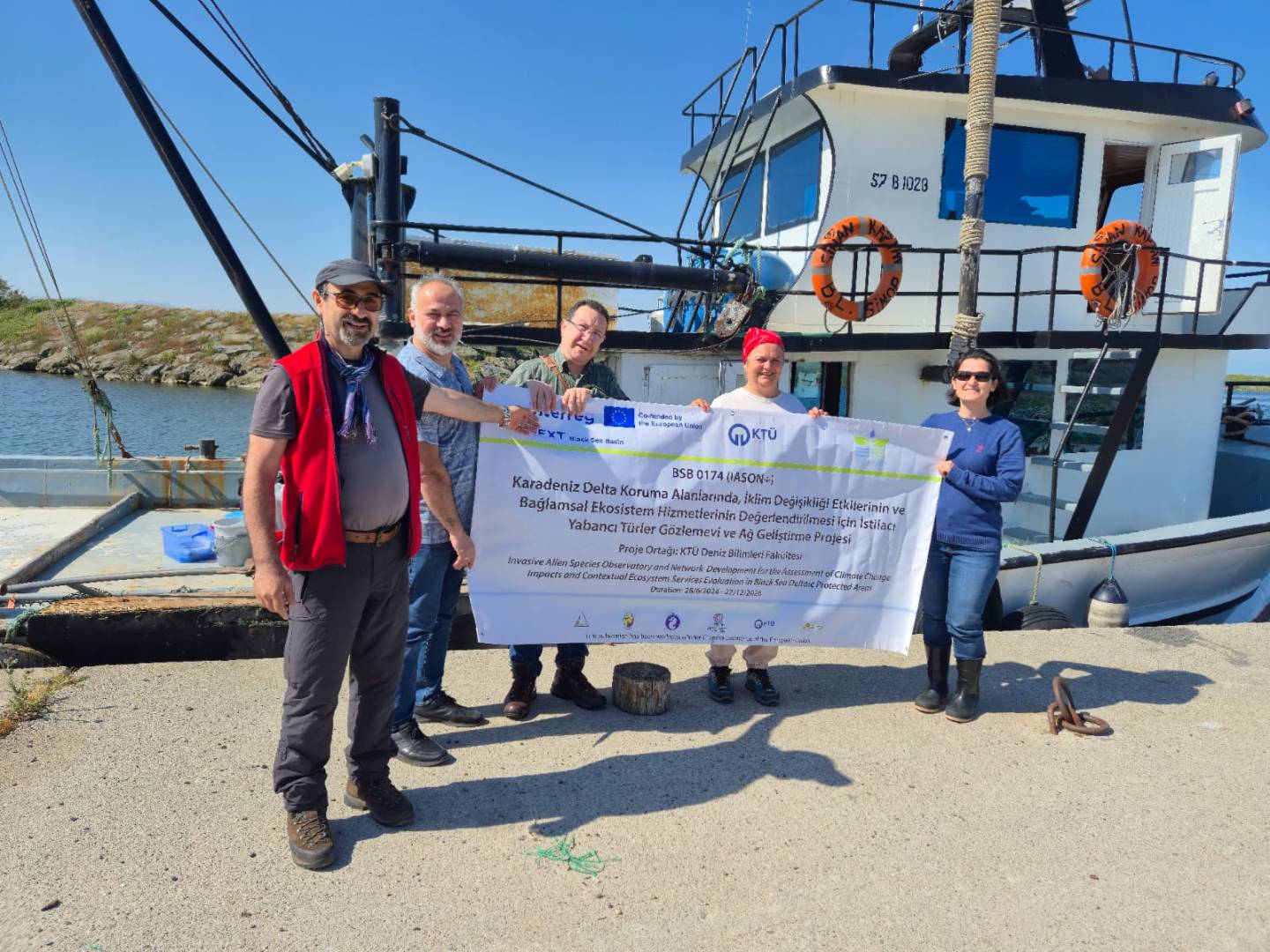
Within the IASON+ Project, direct fieldwork was conducted in the Kızılırmak Delta between 29 and 31 May 2025.
During the study, invasive alien species were monitored, their distribution patterns and impacts on ecosystem services were assessed, and data were incorporated into the long-term monitoring framework.
These activities form part of a two-year systematic monitoring programme.
High-Resolution Mapping and Ecosystem Modelling
Data obtained through IASON+ fieldwork in 2025 are being used in spatial mapping and ecosystem-modelling approaches to assess the distribution of invasive species.
The project aims to identify hotspots where invasive species are concentrated and predict their future distribution under changing environmental conditions.
This approach supports not only the identification of existing threats to aquatic ecosystems but also the prediction of future ecological damage and the development of preventive management measures.
Evidence:
https://www.ktu.edu.tr/denizbiltek/iason
Integrated Approach to Reducing the Environmental Impact of the Marine Sector
Our University’s 2025 activities employ a range of complementary technologies and practices to reduce damage to aquatic ecosystems, including:
These technologies and practices demonstrate that our University takes an integrated approach to detecting, monitoring, predicting, preventing, and directly removing environmental pressures on aquatic ecosystems.
Our University conducts direct research and field-based work on technologies and good practices designed to reduce or prevent damage to aquatic ecosystems arising from marine and fisheries activities, while also working collaboratively with sector stakeholders.
In 2025, particularly through the BlackNETs Project, our University applied ROV technology, seabed mapping, research-vessel infrastructure, technology-assisted ghost-net detection and physical removal, practices aimed at preventing lost fishing gear, and cooperation with the fisheries sector.
As a result of these activities, 9,344.9 kg of fishing gear was removed from the Black Sea, and high-risk areas were mapped.
In addition, through the IASON+ Project, our University is developing an invasive alien species monitoring and warning system, together with spatial mapping and modelling approaches, to support the early identification and prevention of future risks to aquatic ecosystems.
Therefore, our University’s 2025 activities demonstrate a strong and applied institutional approach that combines technology development, scientific research, industry engagement, environmental monitoring, and direct field intervention to reduce the environmental impact of marine and fisheries activities on aquatic ecosystems.