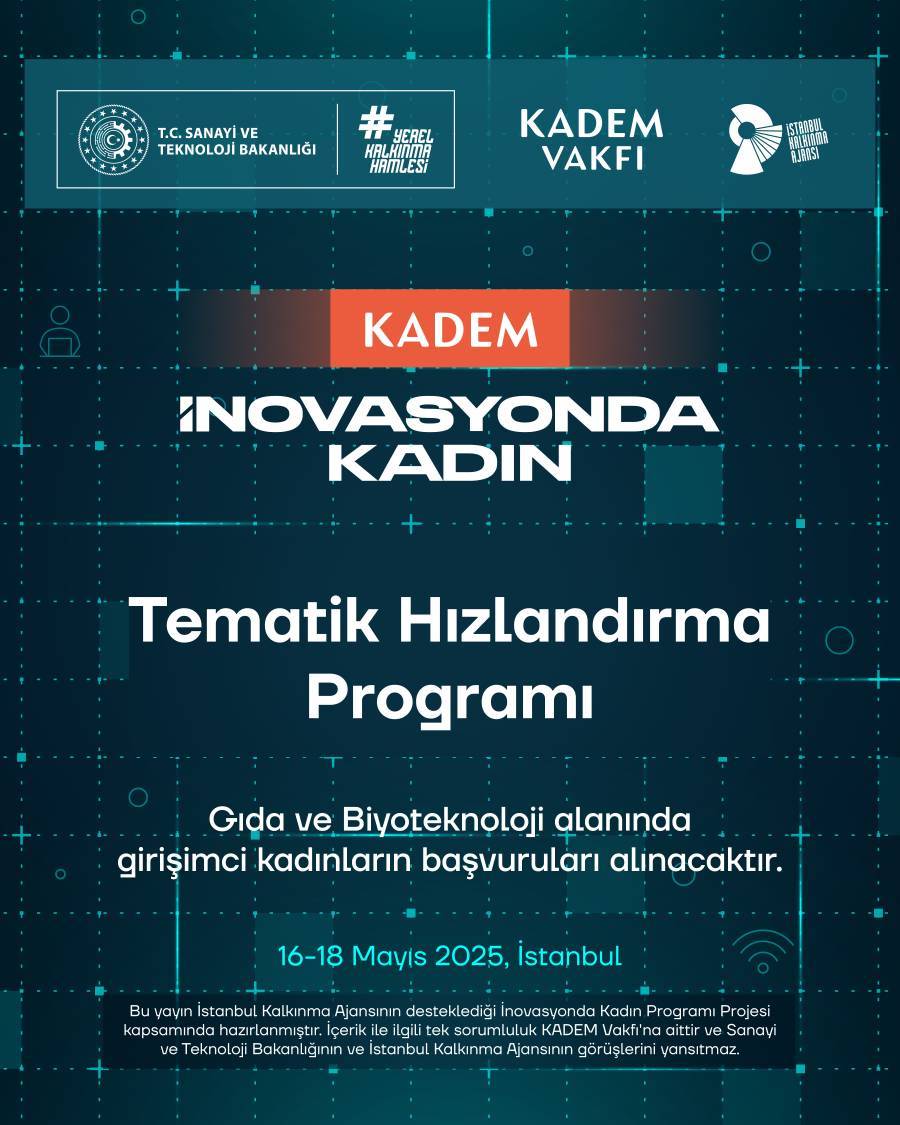
One of the most concrete women-specific mentoring initiatives implemented in 2025 was the “Women in Innovation Thematic Acceleration Programme”, announced by our University’s Technology Transfer Application and Research Centre on 16 April 2025. The programme directly targeted female entrepreneurs and university technology teams composed of young women developing projects in the fields of food and biotechnology. In addition to entrepreneurship training, participants were explicitly provided with mentoring support, one-to-one meetings with corporate companies and investors, and opportunities for professional networking. A total of 20 ventures were planned to be admitted to the programme, 10 of which were allocated to university technology teams, demonstrating that a structured mentoring initiative aimed at supporting women’s career development in technology and innovation was made available in 2025.
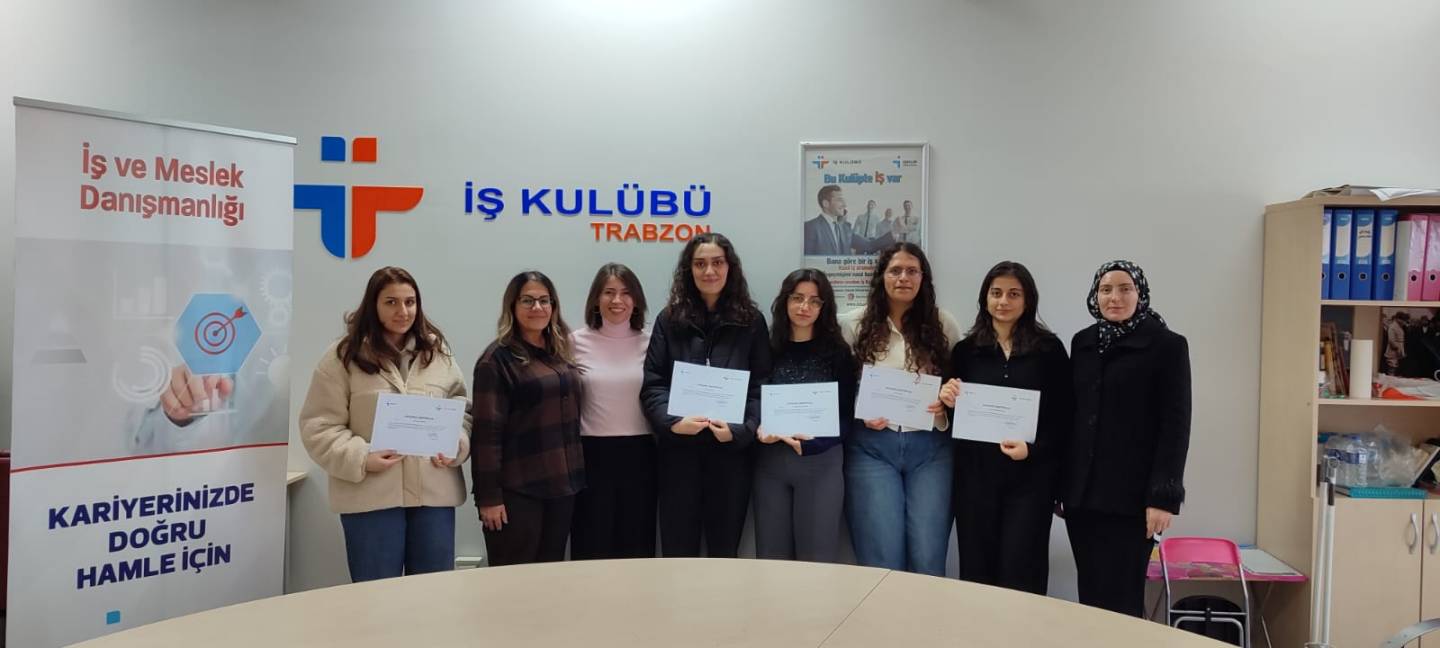
Another important 2025 initiative supporting the career development of female students was the İŞKUR Job Club Training, organised on 10–11 December 2025 in cooperation between the KTÜ Women and Family Studies Application and Research Centre (KAÇAUM) and İŞKUR. The programme was designed exclusively for third- and fourth-year female students at KTÜ. Participants received practical guidance on SMART goal setting, career planning through SWOT analysis, effective CV preparation, interview simulations, and the professional use of LinkedIn. Applications were received online, an official list of female students entitled to participate was published, and certificates of participation were issued to those who completed the programme. Although the programme was not formally titled a “mentoring” programme, it constitutes a concrete 2025 initiative complementing the University’s women’s mentoring framework through women-specific career guidance and professional development support.
In addition, the University’s broader mentoring infrastructure was further expanded in 2025. On 19 March 2025, the KTÜ Career Centre announced that work had begun on the “Peer Education and Mentoring Programme”, which aims to support students’ academic achievement, deeper learning, and personal development.
A structured Mentoring Programme for undergraduate students was also implemented in 2025 at the Faculty of Economics and Administrative Sciences in cooperation with the Trabzon Chamber of Commerce and Industry and the Trabzon Arsin Organized Industrial Zone. Business professionals from Trabzon served as mentors, with the aim of helping students shape their careers, improve their academic performance, and gain first-hand insight into professional life. The programme was open to first-, second-, and third-year students, and applications were received during different periods in 2025.
Evidence:
https://surdurulebilirlik.ktu.edu.tr/iibf/duyuru/lisans-ogrencilerine-yonelik-mentorluk-programi-1
Similarly, an online Mentoring Programme for medical students was organised by the Department of Medical Education of the Faculty of Medicine on 17–19 November 2025. In addition, the active Effective Mentoring (Yönder) Programme coordinated by the Alumni Relations Coordination Office matches alumni mentors with students and establishes a mentor–mentee relationship throughout an academic year, allowing mentors to transfer career experience and professional expertise to students. The programme is open to all students. Although these programmes are not exclusively designed for women, they demonstrate that the University operated a multi-layered institutional mentoring infrastructure in 2025 from which female students also benefited across several academic and administrative units.
Evidence:
https://surdurulebilirlik.ktu.edu.tr/tipegitimi/haber/mentorluk-programi-gerceklestirildi
A consolidated assessment of the University’s institutional participation records for 2025 shows that at least 10% of female students participated in women-focused mentoring, career guidance, and structured mentoring programmes, thereby meeting the minimum 10% participation threshold specified under this indicator.